Jim WATSON / AFP
Donald Trump has once again set his sights on Greenland, declaring that the United States “needs” the vast Arctic island as Washington accelerates a hard-edged return to power politics—and Europe looks on, divided and unsure how to respond.
The latest intervention from the White House comes just weeks after the United States consolidated its influence over Venezuela following the collapse of Nicolás Maduro’s regime, tightening its grip on the country’s vast oil resources. Together, the moves point to a broader shift: a Trump administration intent on re-establishing American dominance across its “backyard” while locking down strategic territory further afield.
Greenland has long been on Washington’s radar, but the language is now becoming unmistakably blunt. In a recent interview with The Atlantic, Trump said the island—an autonomous territory under Danish sovereignty—was essential to U.S. security. Days later, the message was reinforced online when Trump’s former communications director Katie Miller shared an image of Greenland draped in the U.S. flag, emblazoned with a single word: “soon.”
SOON pic.twitter.com/XU6VmZxph3
— Katie Miller (@KatieMiller) January 3, 2026
The reaction in Copenhagen was immediate. Danish prime minister Mette Frederiksen accused Washington of issuing “threats” and reminded the White House that Greenland “is not for sale.” The United States, she said, has “no right whatsoever” to annex the territory.
Greenland’s own leadership was equally direct. Speaking from Nuuk, Premier Jens-Frederik Nielsen dismissed the social-media theatrics, insisting that Greenland’s future would be decided through law, diplomacy, and mutual respect. The island, he noted, has operated under an expanded autonomy statute since 2010, recognising the right to self-determination.
The controversy has triggered an unusual show of political unity in Northern Europe. Norwegian prime minister Jonas Gahr Støre stated on his X account that Greenland is an integral part of the Kingdom of Denmark and expressed Oslo’s “full solidarity” with Copenhagen. Swedish prime minister Ulf Kristersson and Finnish president Alexander Stubb took a similar line.
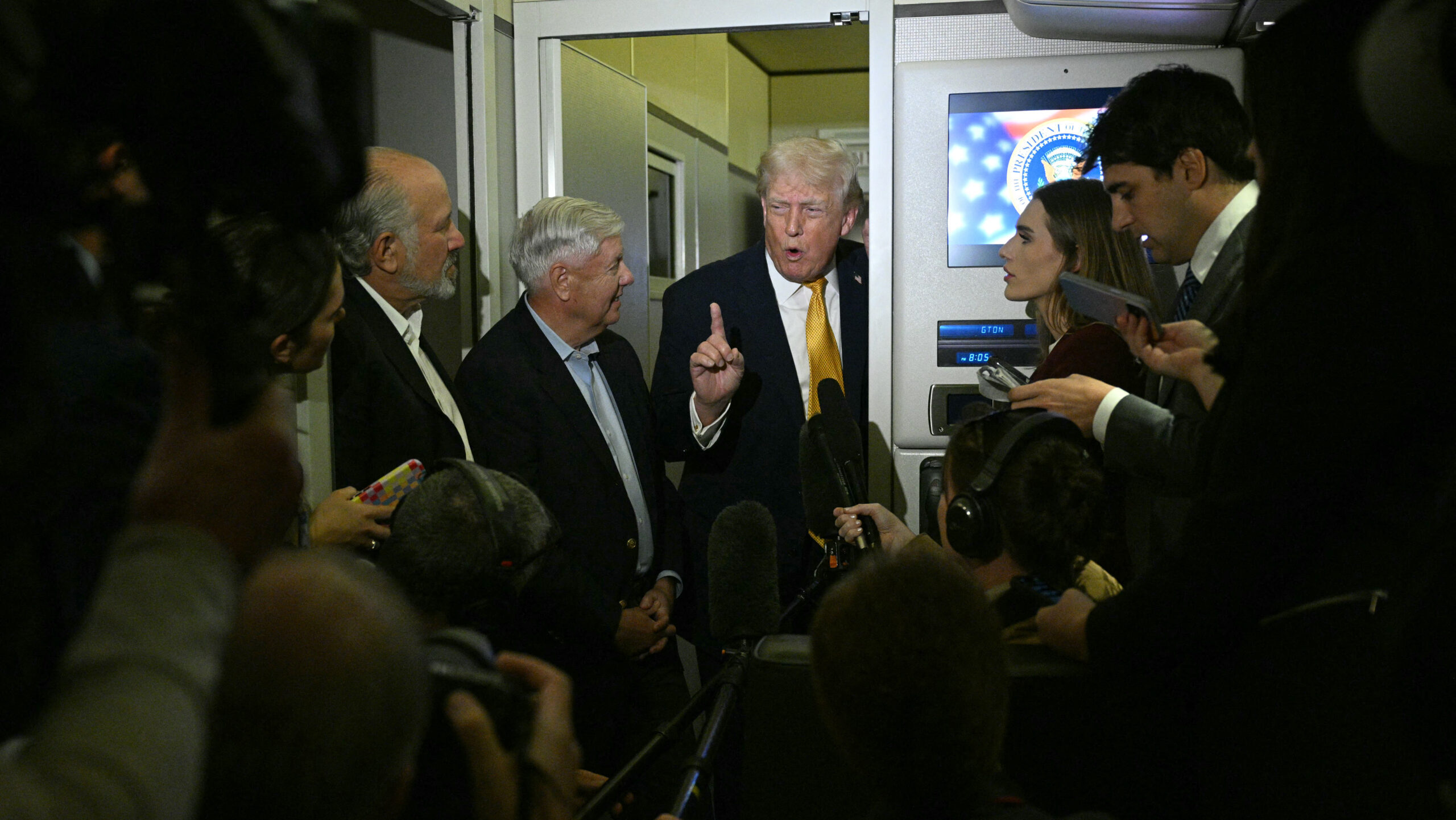
The Arctic is not the only front. Speaking aboard Air Force One alongside Trump, Republican Senator Lindsey Graham issued a thinly veiled warning to Cuba. “Just you wait,” he said. “Their days are numbered. In 2026, in our backyard, we will have allies doing business with America.”
The message was clear: the era of restraint is over. Political pressure, economic leverage, and energy dominance are once again being wielded openly as tools of U.S. power.
Graham: You just wait for Cuba. Their days are numbered. pic.twitter.com/aFCV2pyxfi
— Acyn (@Acyn) January 5, 2026
As Washington moves decisively, Europe appears stuck in reactive mode. Beyond expressions of sympathy for Denmark from individual capitals, Brussels has yet to produce a coherent response—either to U.S. ambitions in Greenland or to the accelerating militarisation of the Arctic.
The Greenland episode lays bare a familiar problem: a European Union unable to act strategically, and still heavily dependent on decisions taken in Washington—even when those decisions unsettle Europe’s own borders and security order.