Donald Trump
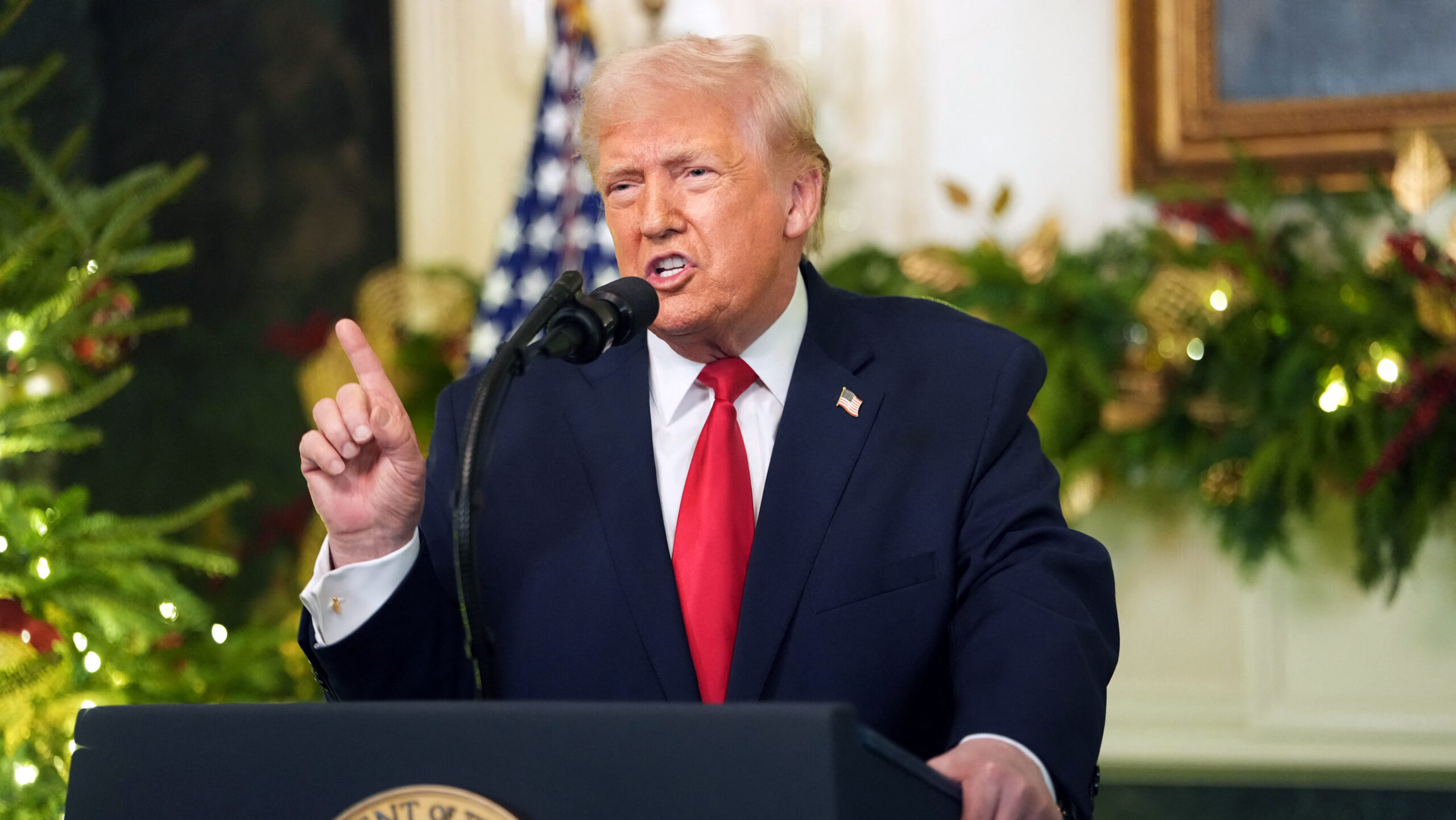
Doug MILLS / POOL / AFP
President Donald Trump’s decision to pull the United States out of 66 international organisations, both within and outside the United Nations, marks one of the most far-reaching shifts in U.S. foreign policy in recent decades.
More than a budget or staffing move, the decision amounts to a rejection of the kind of multilateralism that has shaped much of the global order since the end of the Cold War. The White House argues that these organisations no longer serve U.S. interests, but instead promote progressive political agendas—on climate, and social policy, for example—that are increasingly detached from democratic accountability.
For years, Trump has openly criticised international bodies that, under the banner of cooperation, have pushed climate activism, social engineering, and ever-expanding mandates without meaningful oversight from national governments.
Groups from which the U.S. has withdrawn include the Intergovernmental Panel on Climate Change (IPCC), the UN Framework Convention on Climate Change, UN Women, and the UN Population Fund (UNFPA).
The Trump administration argues that these bodies have abandoned their original technical missions and are now political actors with a clear ideological bias, using reports, standards, and funding rules to pressure national governments. In this context, the withdrawal is presented as a defence of national decision-making freedom against structures that, in practice, operate without real accountability to citizens.
Still, the move cannot be explained by ideology alone. The presidential memorandum also reflects a shift in broader U.S. strategy. In an increasingly divided world, Washington is opting for a bilateral, transactional, and pragmatic approach, at the expense of large multilateral forums where the U.S. contributes substantial funding but sees its influence diluted.
The exit from organisations linked to renewable energy, climate governance, or sustainable development also fits with Trump’s ambition to reindustrialise the United States, secure energy autonomy, and compete more aggressively with China—without being bound by global regulatory frameworks negotiated behind closed doors.
Critics claim that the withdrawal weakens America’s ability to shape global norms and creates space for rival powers. Yet recent experience suggests that U.S. participation has neither prevented the politicisation of these institutions nor halted their ideological drift.
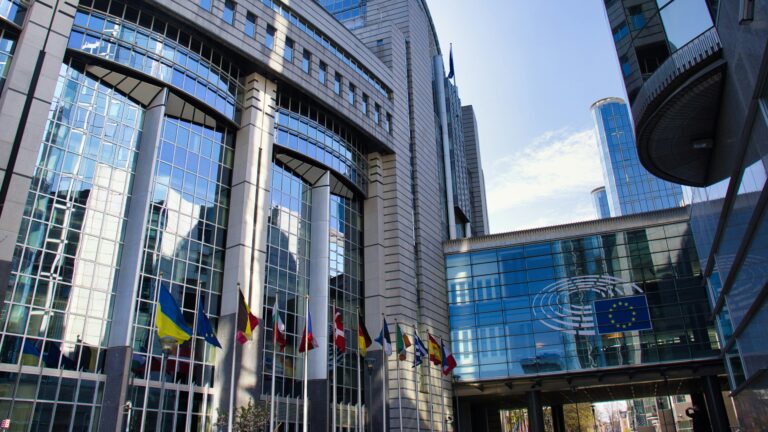
For Europe—and especially for Brussels—the decision serves as a warning. The global progressive consensus is no longer beyond challenge. As economic pressure, security risks, and public distrust grow, arguments for national sovereignty and political realism are gaining traction. The United States has taken the first step. The rest of the world is watching.