Qassem AL-KAABI / AFP
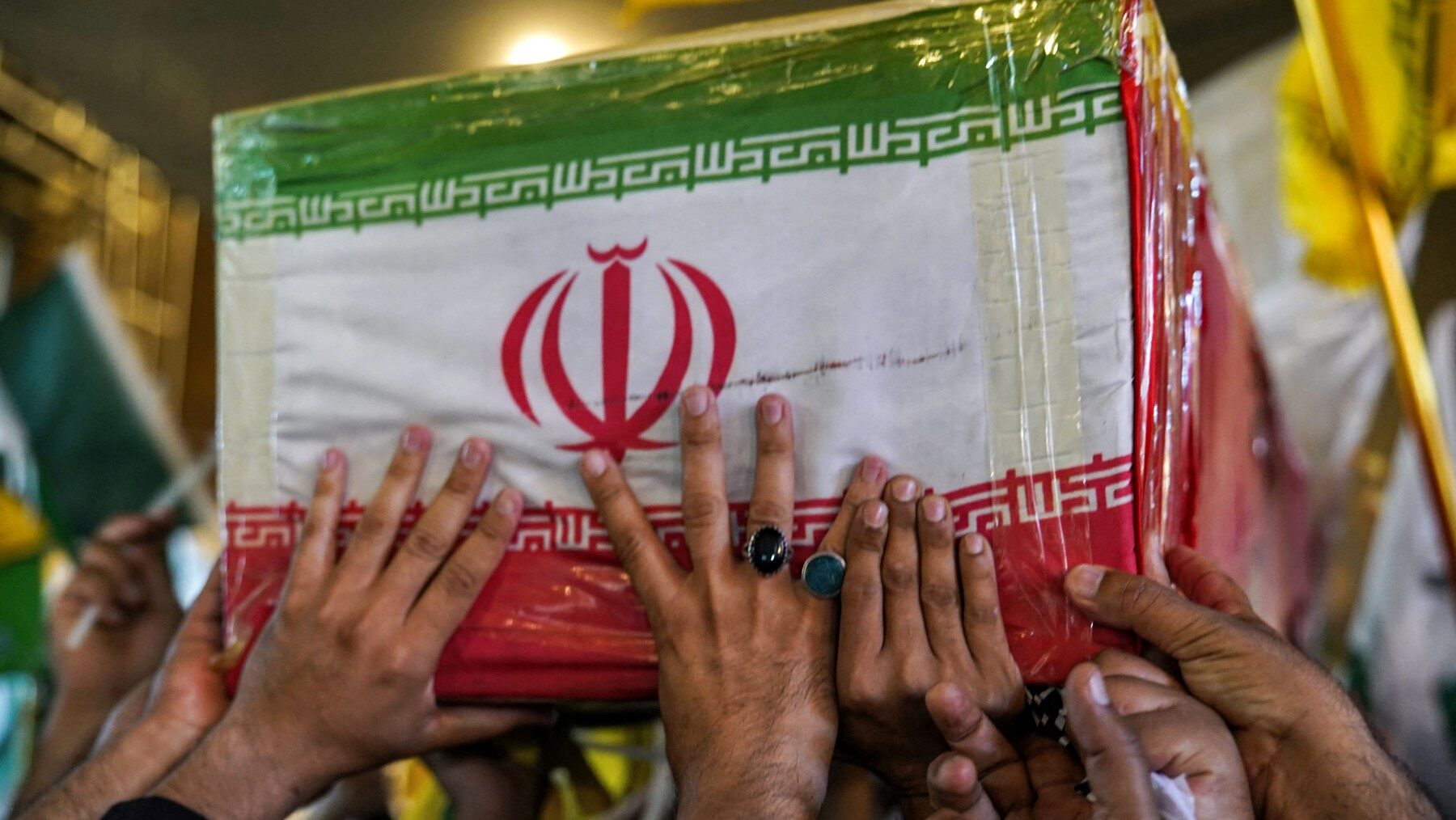
If the European Union designates Iran’s Islamic Revolutionary Guard Corps (IRGC) as a terrorist organisation, the move would trigger asset freezes, criminal liability for forms of support, and sweeping compliance obligations for European banks and businesses—while sharply escalating tensions with Tehran.
That is why the debate now unfolding in Brussels is not simply about how the IRGC should be labelled, but about how far the EU is willing—and legally able—to go in confronting a core arm of a sovereign state’s security apparatus.
Few dispute the central role the IRGC plays in Iran’s security system or its influence across the Middle East. What divides EU capitals is whether its conduct meets the Union’s legal definition of terrorism—and whether applying that label would strengthen European security or instead narrow diplomatic and strategic room for manoeuvre.
Under EU law, designating an entity as a terrorist organisation is not a symbolic act. It triggers a strict legal framework that was originally created to target non-state terrorists. Applying it to a core arm of a sovereign state would be unprecedented.
Supporters argue that the designation would clarify Europe’s stance, matching words with action and making clear that certain forms of violence and coercion are unacceptable. Critics counter that the framework was never meant to apply to bodies like the IRGC and warn that forcing it to do so could undermine its legal credibility.
What is clear is that the label would elevate EU action from targeted sanctions to full inclusion in the Union’s counter-terrorism regime, changing both the legal treatment and the political framing of the IRGC.
If the IRGC were listed, the consequences would be immediate and far-reaching.
Assets linked to the organisation within EU jurisdiction would be frozen, and European individuals and companies would be prohibited from making funds or economic resources available. Beyond sanctions, national criminal law would come into play, meaning certain forms of support and involvement could become criminal offences under national law.
The impact would extend well beyond government policy. Banks, insurers, logistics providers, and technology firms would be required to treat any IRGC-related activity as prohibited, leading to widespread ‘de-risking,’ with Iranian entities cut off over suspected institutional or operational links.
Such measures would significantly limit the IRGC’s ability to operate, raise funds, or build networks in Europe—but they would also sharply reduce Europe’s remaining channels of contact with Iran’s power centres.
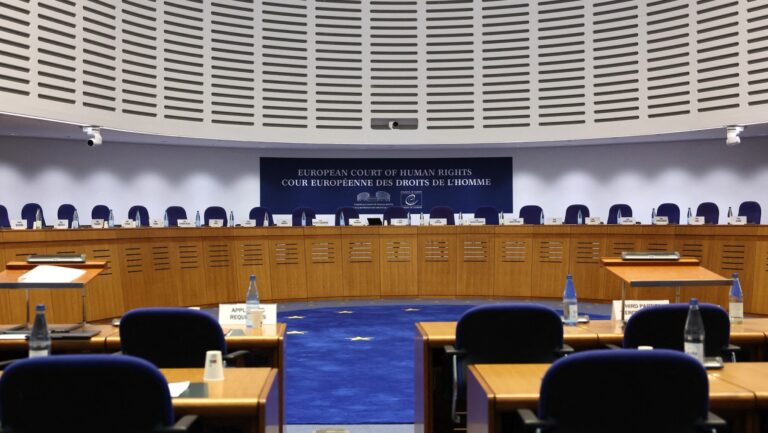
The Council has consistently argued that a terrorist listing requires a prior ruling by a court or authority linking the entity to terrorist acts under EU law. This insistence is not merely procedural. It reflects the EU’s attempt to shield its terror list from politicisation and to ensure it withstands judicial scrutiny.
Recent national court cases in member states, including rulings attributing responsibility to the IRGC for specific acts or plots, are cited by advocates as potentially meeting this threshold. Whether they are sufficient remains contested among legal advisers and governments.
As a result, the debate is not only about political will but about legal confidence: whether the evidence is strong enough to withstand an almost certain court challenge.
Beyond the legal questions, the political consequences are significant. Tehran has warned that a designation would be treated as an escalation, with implications for nuclear diplomacy, regional crisis management, and consular relations. For some EU governments, preserving even limited diplomatic access matters more than the clarity of a terrorist listing.
The European Parliament’s repeated calls for designation, set against the Council’s restraint, expose the divide in the EU.
Tehran, for its part, has warned of “devastating consequences” if the European Union moves to place the Islamic Revolutionary Guard Corps on its terrorist list, following remarks by Italian Foreign Minister Antonio Tajani, who has said he will raise the proposal “in coordination with other partners” at an upcoming meeting of EU foreign ministers in Brussels.