
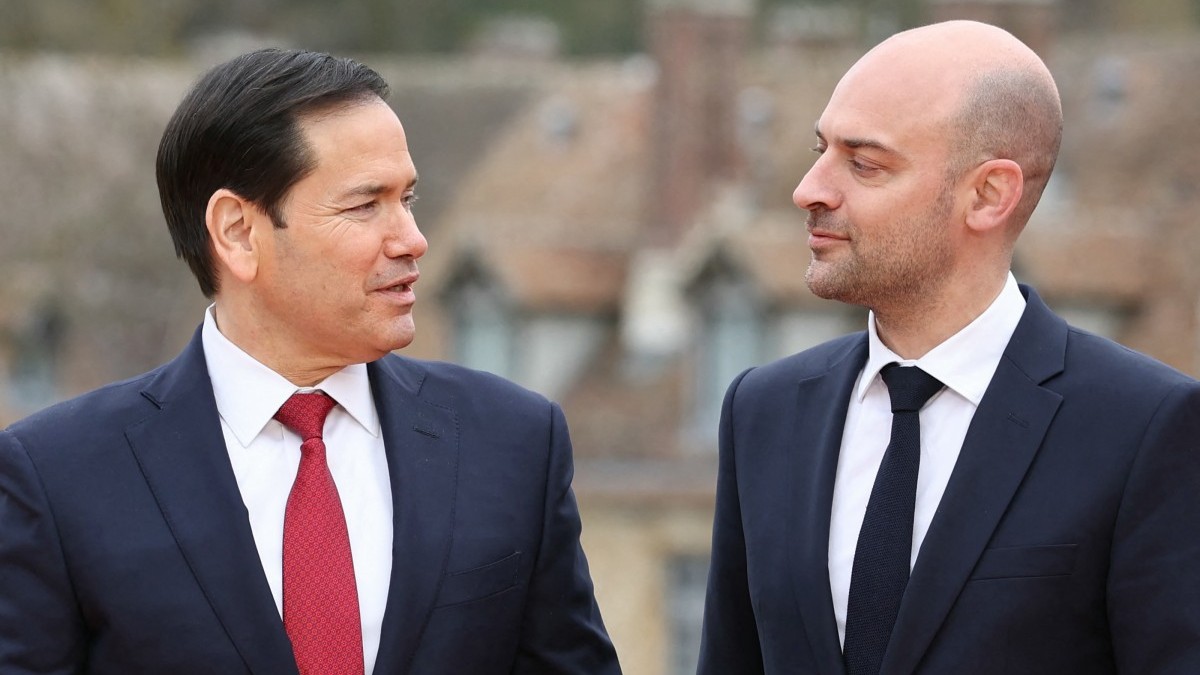
Iran War Splits U.S. and Europe
The United States is right to demand more capable allies. What it cannot demand is that greater capability should mean automatic obedience.

The United States is right to demand more capable allies. What it cannot demand is that greater capability should mean automatic obedience.

Japan remains highly dependent on energy imports from the Middle East, which provides around 95% of its oil supply—prompting a search for stronger strategic partnerships.

While the Left is holding its ground in the country’s three largest cities, the Rassemblement National is enjoying a spectacular surge.

The leftist prime minister wants to move on quickly from the vote, but critics say there is evidence of foul play.
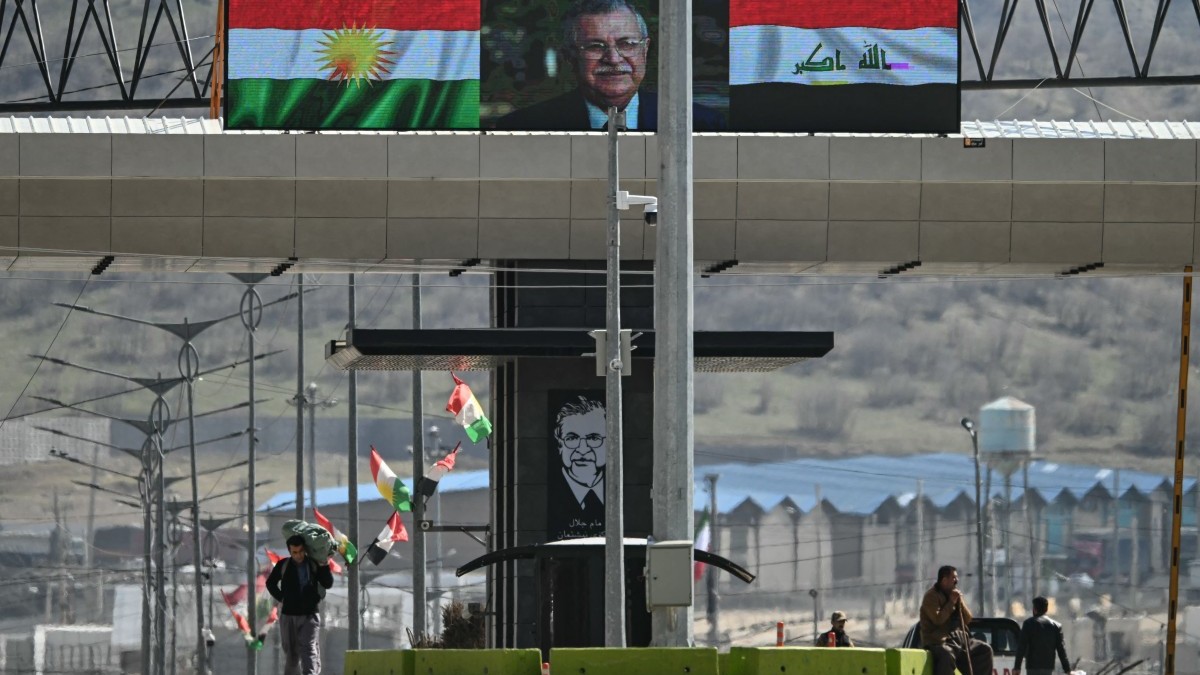
President Macron condemned the drone assault as unacceptable, stressing that France’s military mission in Iraq remains strictly defensive.
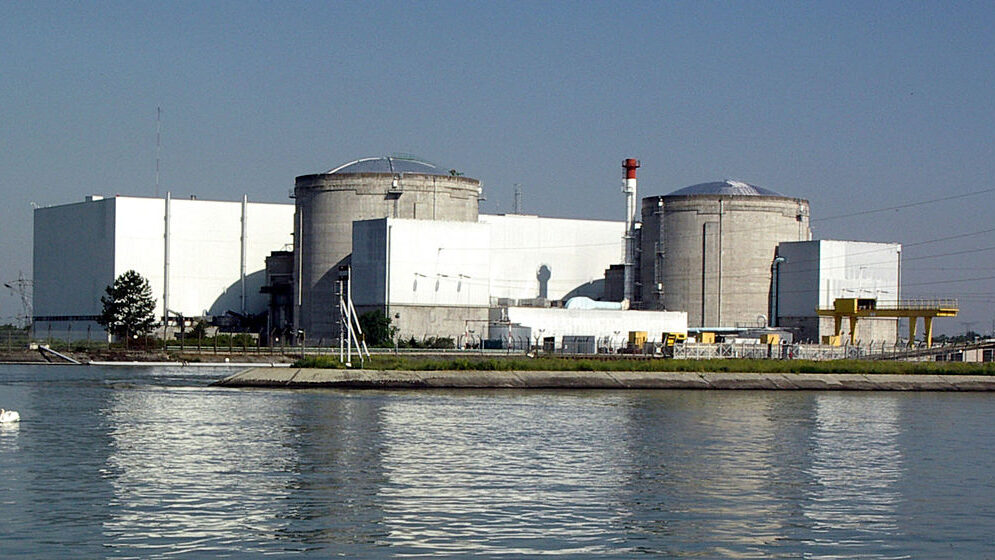
After years steering France away from nuclear power, the president now concedes the strategy was a costly mistake.
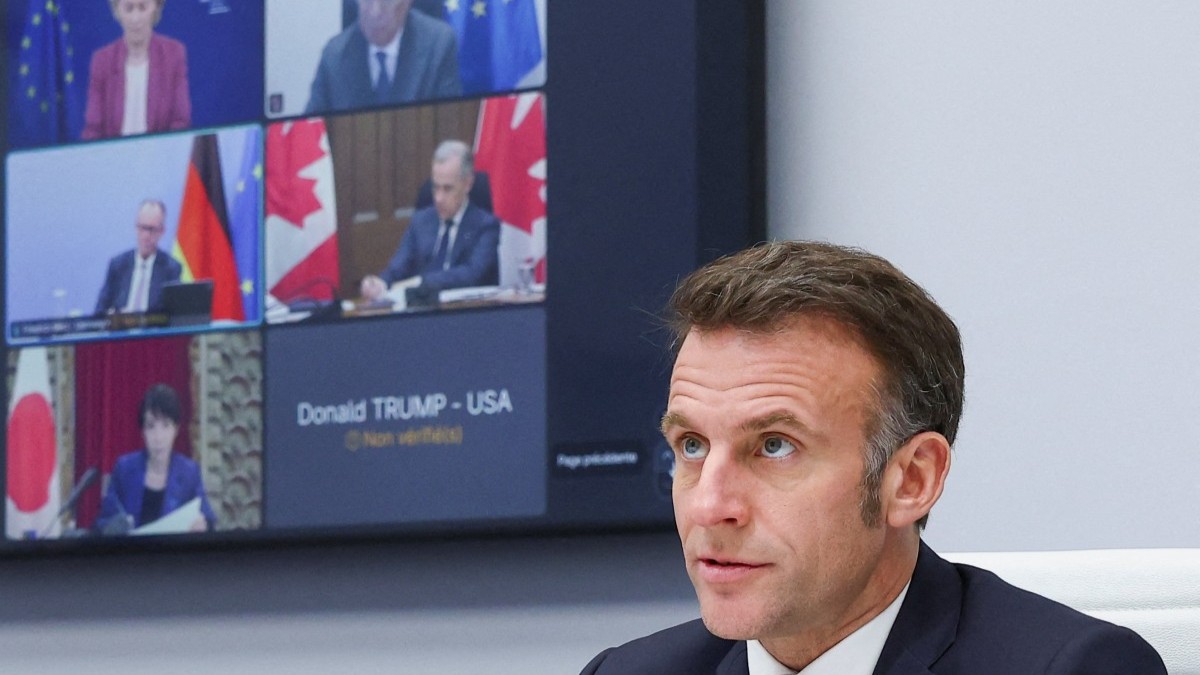
The French president also said there is “no confirmation” of mines being deployed in the Strait of Hormuz.

French Finance Minister says alternative oil supplies could be sourced from other regions if the Strait of Hormuz cannot be reopened.

As fighting in the Gulf intensifies, energy markets are jolted, and Europe faces renewed fears of rising gas and electricity prices.
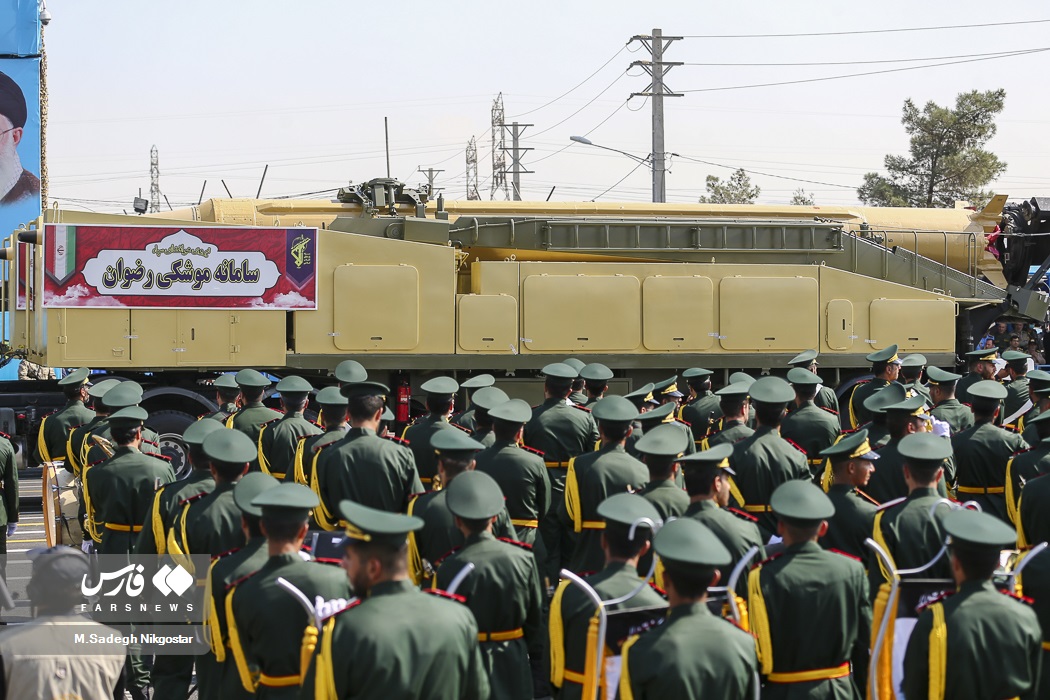
Washington urged its citizens to leave southeast Turkey shortly after Ankara confirmed that NATO had intercepted a second ballistic missile fired from Iran.