

ProtectEU Is the EU’s Latest Trojan Horse Against Freedom
While appearing reasonable and necessary when taken individually, these measures collectively build an ecosystem of repression that East Germany’s Stasi could only have dreamt of.

While appearing reasonable and necessary when taken individually, these measures collectively build an ecosystem of repression that East Germany’s Stasi could only have dreamt of.

Local authorities are forcing candidates to sign a declaration tied to the state’s extremism list—a move the AfD says amounts to a de facto party ban.

Voters are turning away from the mainstream because they are “disappointed with their policies.”

When politicians exploit historical memory to score partisan points rather than preserve truth, they teach the public that the past is merely a tool for present manipulation.
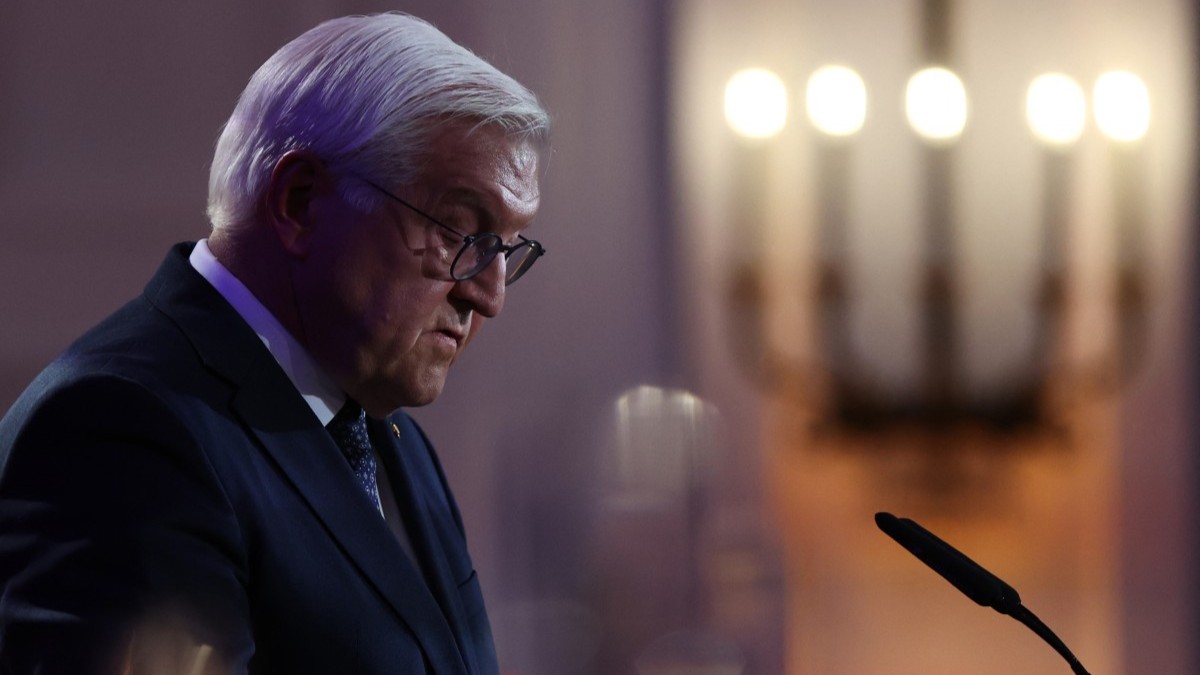
The federal president was trying to damage the AfD, but is likely to have bolstered the party’s support instead.
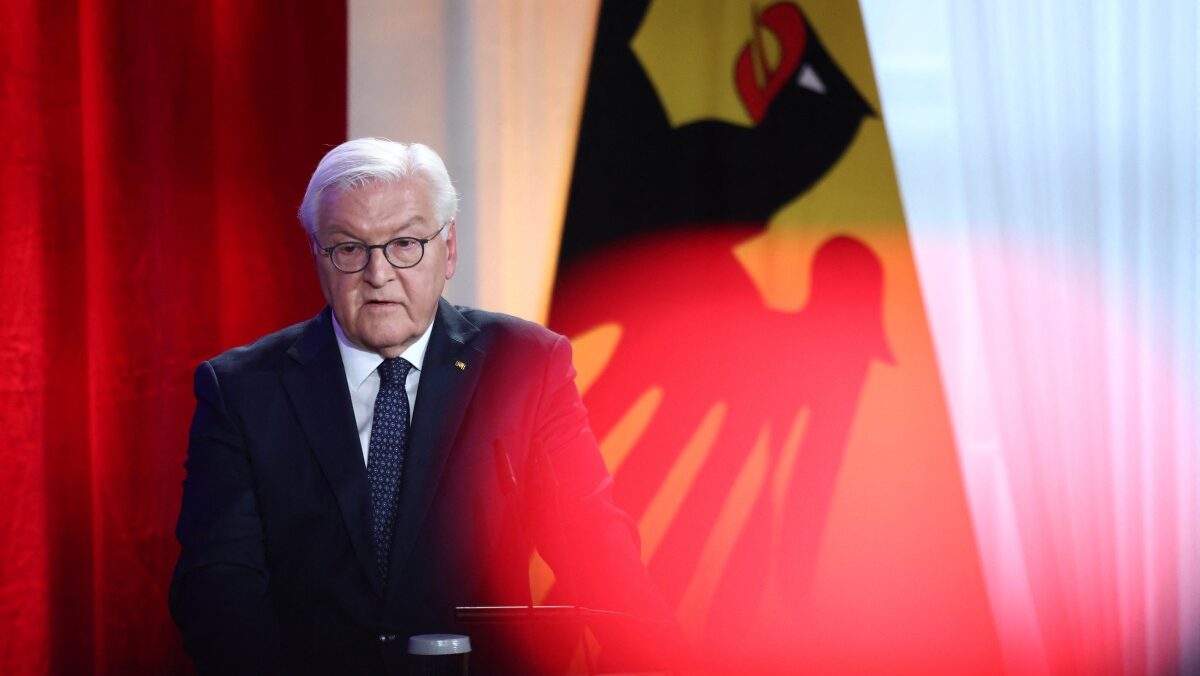
In a speech on Sunday, Frank-Walter Steinmeier alluded to bans on “extremist” political parties, clearly indicating the AfD without ever mentioning the party.

While the leftist and liberal parties seek to block Germany’s poll-leading right-wing populists—citing threats to democracy—they lack the parliamentary support needed for such a measure.

Today’s attempts to ban AfD represent something unprecedented: a governing elite attempting to eliminate its primary opposition to preserve its own power.

Bärbel Bas says she will join Green-led discussions on banning the right-wing party.

To ‘protect democracy,’ German establishment parties are set to meet later this month to discuss banning a party supported by almost a quarter of voters.