
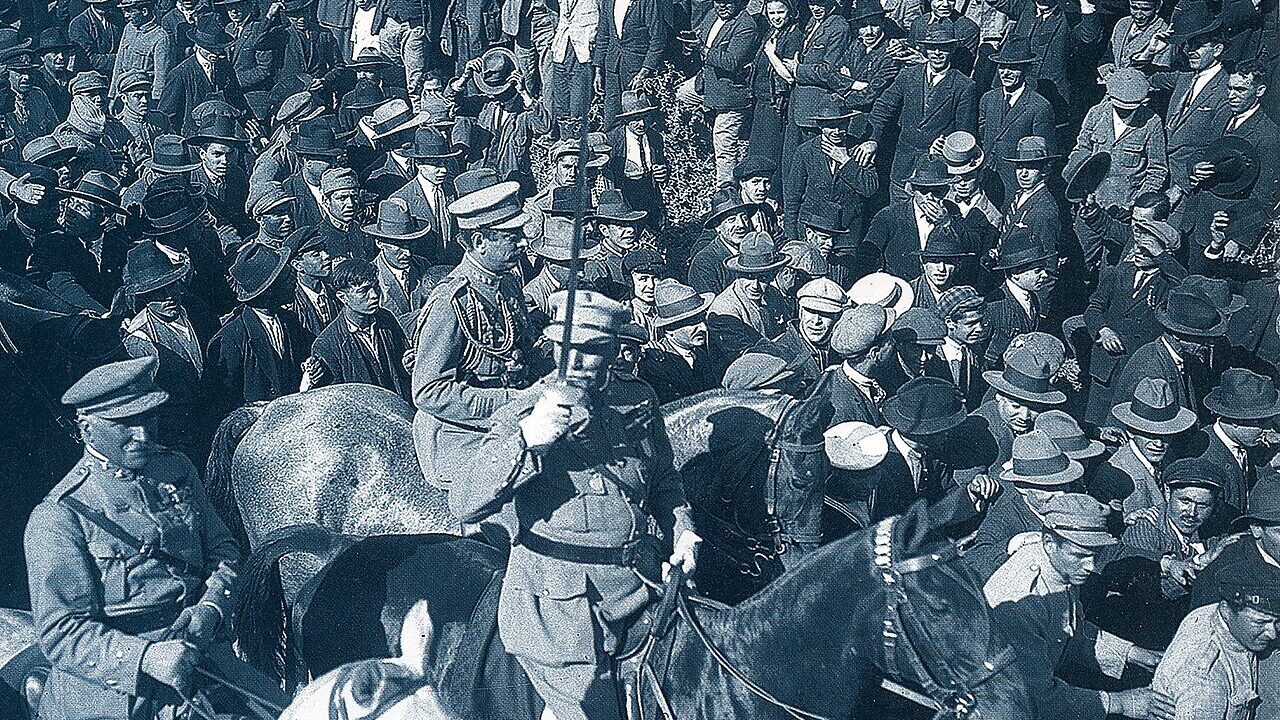
100 years of Portugal’s National Revolution
One hundred years ago, a crumbling nation took hold of its destiny, restored trust in politics, and called on the Right and the patriotic Left to join hands in a grand project of national salvation.

One hundred years ago, a crumbling nation took hold of its destiny, restored trust in politics, and called on the Right and the patriotic Left to join hands in a grand project of national salvation.
Portugal’s post-revolutionary malaise is a warning to the West. The Carnation Revolution promised freedom but, through left-wing cultural hegemony and the destruction of national capacity, delivered dependence, parochialism, and poverty.

Nogueira believed the future would be shaped by great nations and that ethnically pluralistic polities—empires—were culturally and civilisationally superior to homogeneous ones.

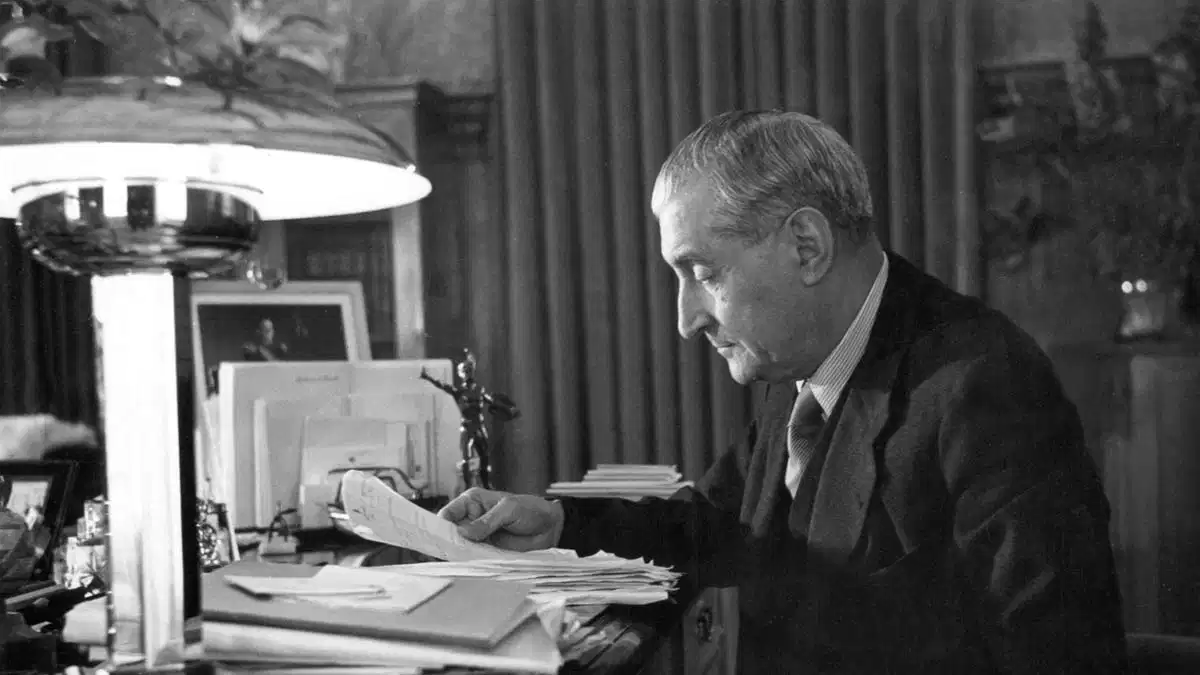
Nogueira stands among that now lost class of great European statesmen.
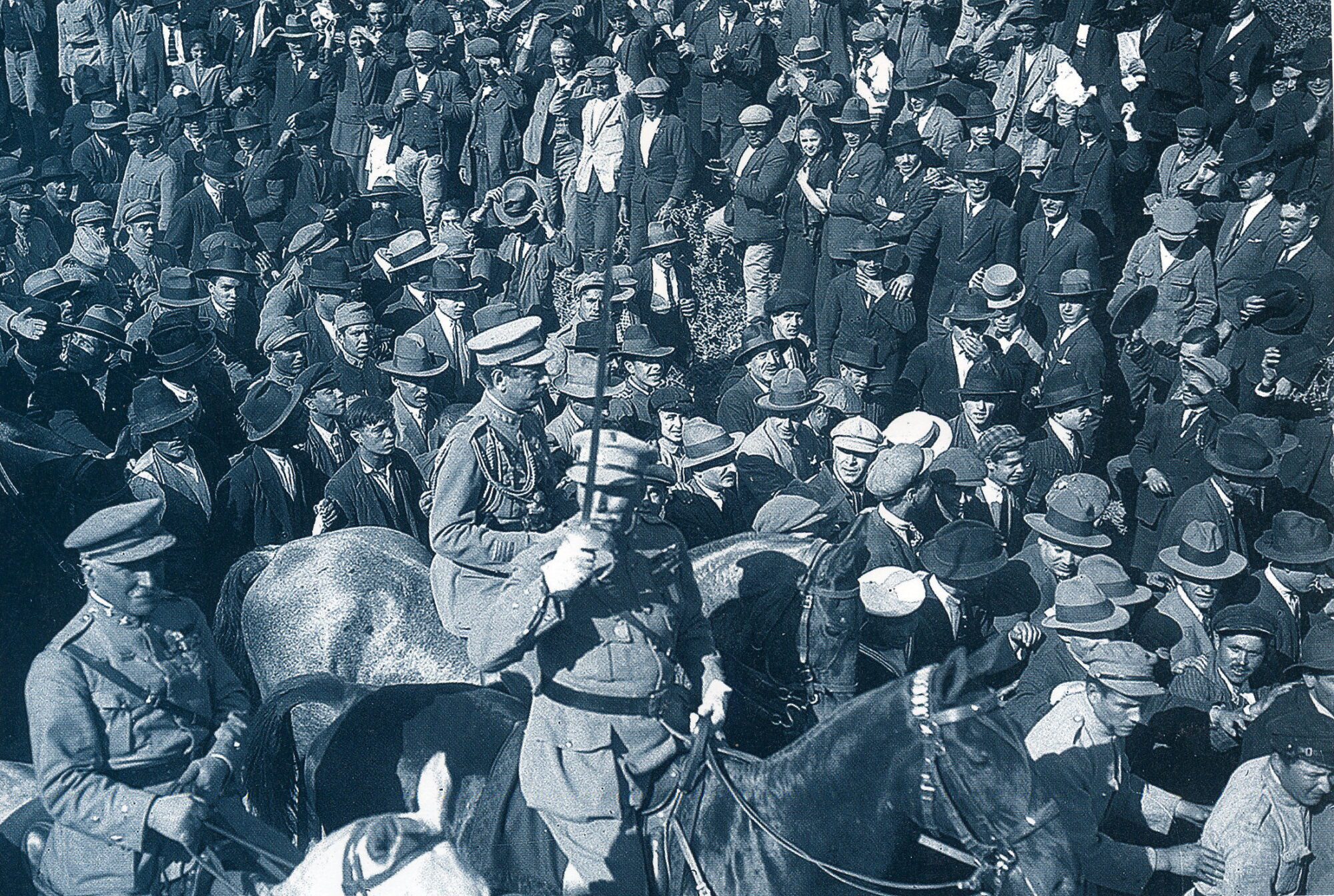
Those who set the direction of what came to be called the National Revolution didn’t quite know what they wanted, but they certainly knew what they didn’t want: the growing radicalisation and constitutional crises, against a threatening backdrop of Communism, seen elsewhere in postwar Europe.