
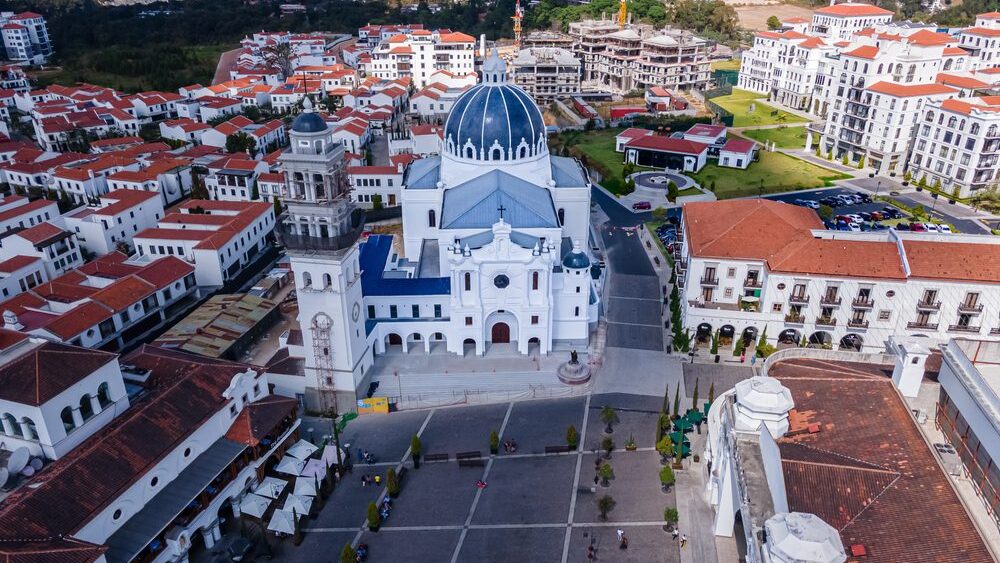
Re-Building the Future: The Case of Cayalá
Cayalá should encourage both our traditionalist and voluntarist instincts. Its prosperity is a testament to traditional design principles, while the speed with which it was built shows us what is possible.

Cayalá should encourage both our traditionalist and voluntarist instincts. Its prosperity is a testament to traditional design principles, while the speed with which it was built shows us what is possible.
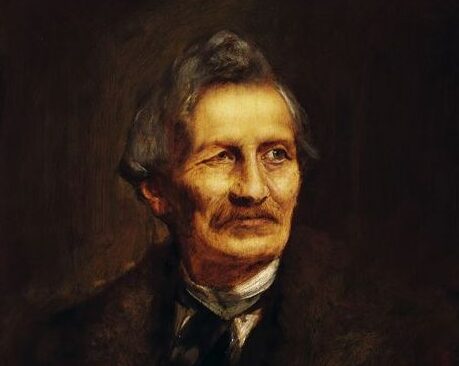
By locating the essence of traditional architecture in the primacy of character over concrete—the pattern we see over the material we don’t—Semper championed particularity over uniformity.

Alain de Botton’s book tells us that we can and should regain hope about the future of our homes and cities. Architecture has been in a sad state in the West for many decades, but there are also glimmers of promise.
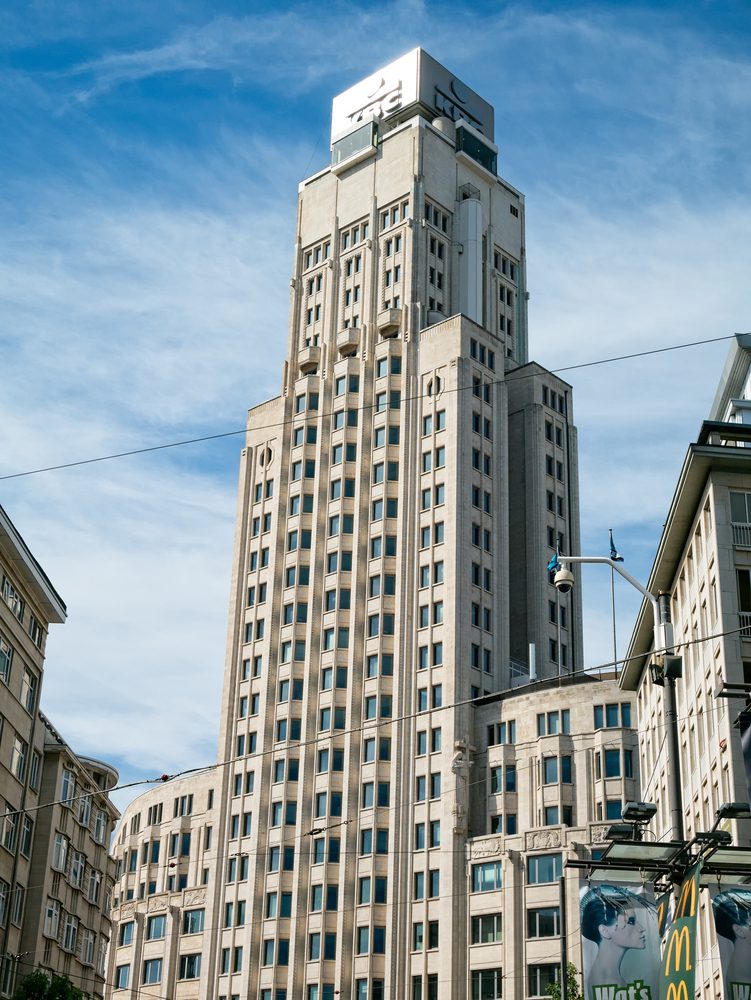
While some hail the architectural vision as keeping with the times, others have raised concerns that it might be no more than a vanity project–one which makes for an ill-fit with its environment.
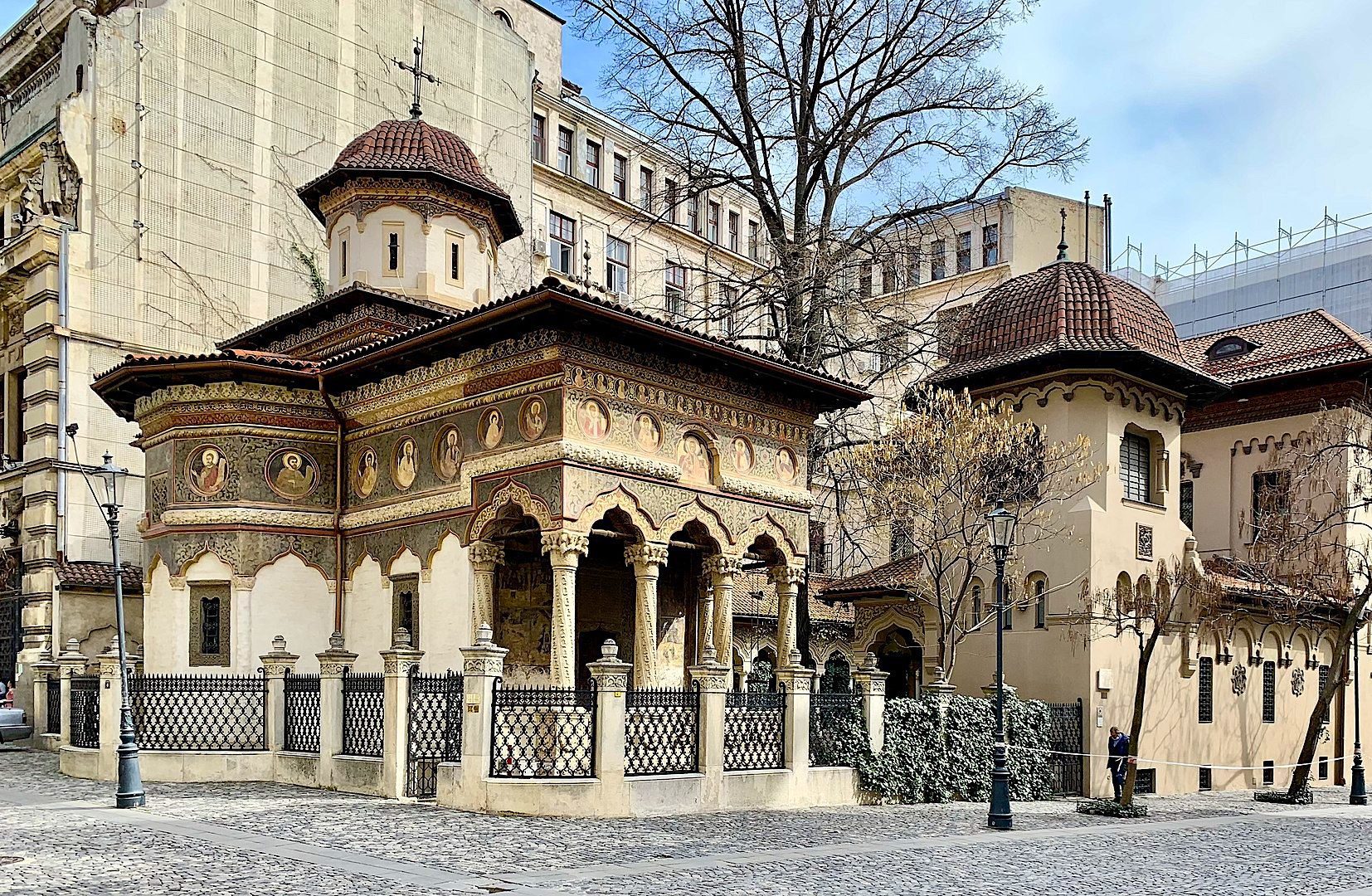
Streets in Bucharest are lined with decaying neo-Brâncovenesc buildings. Instead of restoration, city-planners are heaping rubbish upon rubbish, building the same junk that has ruined cities from one end of Europe to the other.

It is a mistake to assume that concrete rural scenes like those in the small Romanesque parishes Mr. Mora rightly celebrates, lead to appreciating life whereas, contrastingly, Gothic abstraction leads to a sort of world-weary sickness. This judgement assumes only two realities, body and mind, and pits these against each other.