
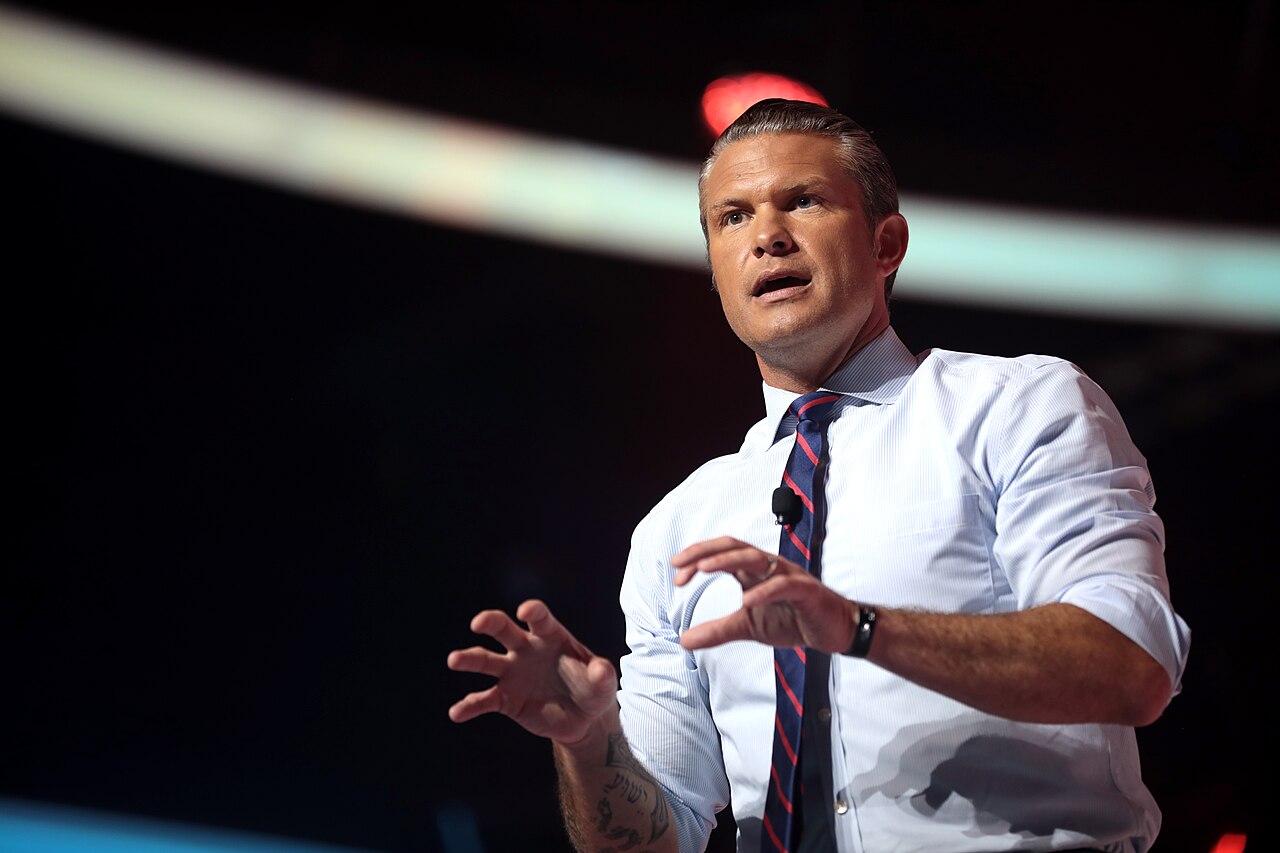
Washington Rebukes Allies for Response to Strait Closure
U.S. Secretary of Defense Pete Hegseth has criticized his so-called partners in Europe and Asia for relying on Washington to reopen the Strait of Hormuz amid the ongoing conflict with Iran.

U.S. Secretary of Defense Pete Hegseth has criticized his so-called partners in Europe and Asia for relying on Washington to reopen the Strait of Hormuz amid the ongoing conflict with Iran.
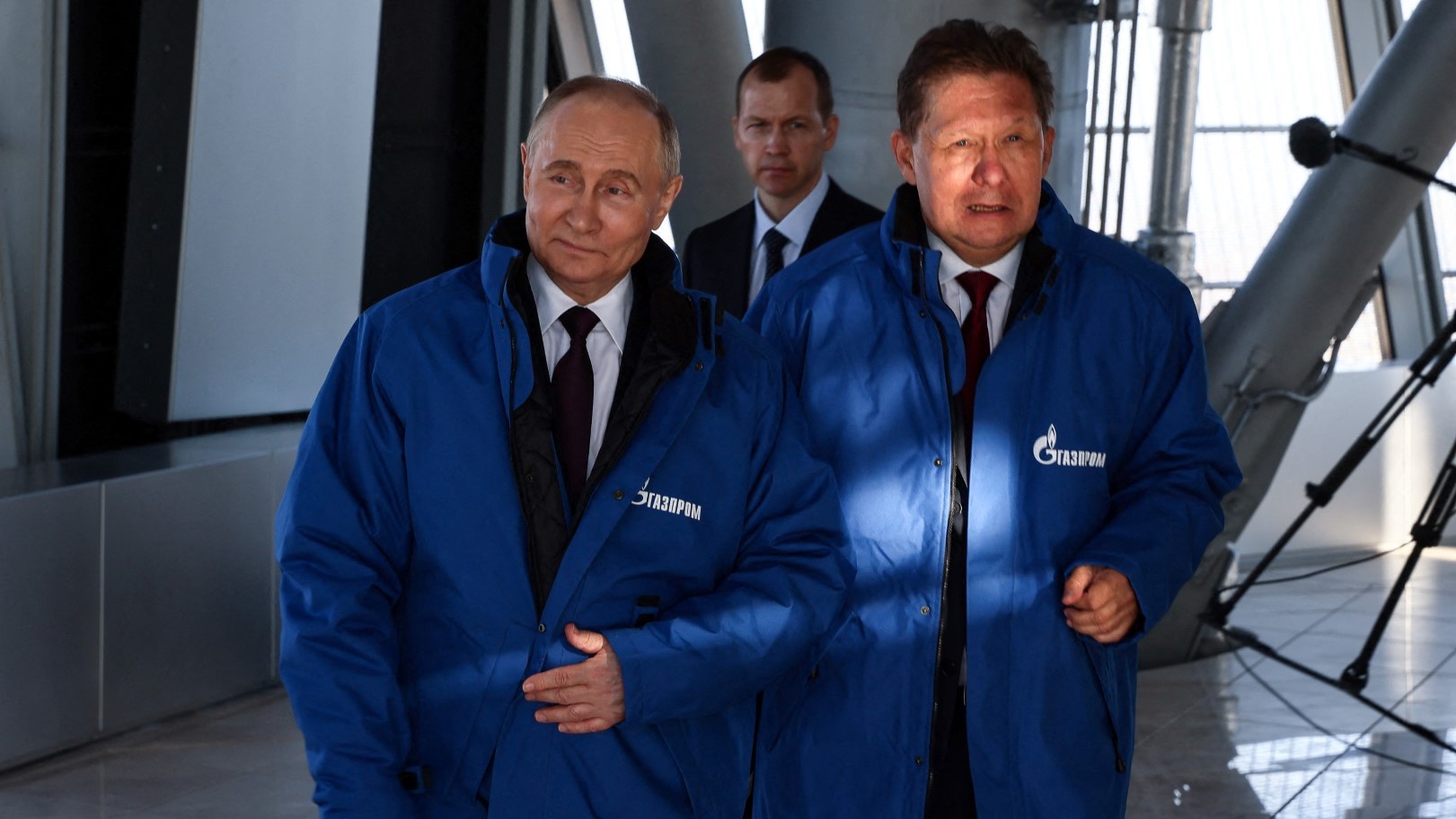
Sanctions have reduced the Kremlin’s margins, but they have neither curbed its exports nor eased Europe’s energy crisis.

Dependency on Asia for batteries, high manufacturing costs, and U.S. tariffs are contributing to the automotive industry’s difficulties.

The U.S. president wants to bring manufacturing back to the United States.
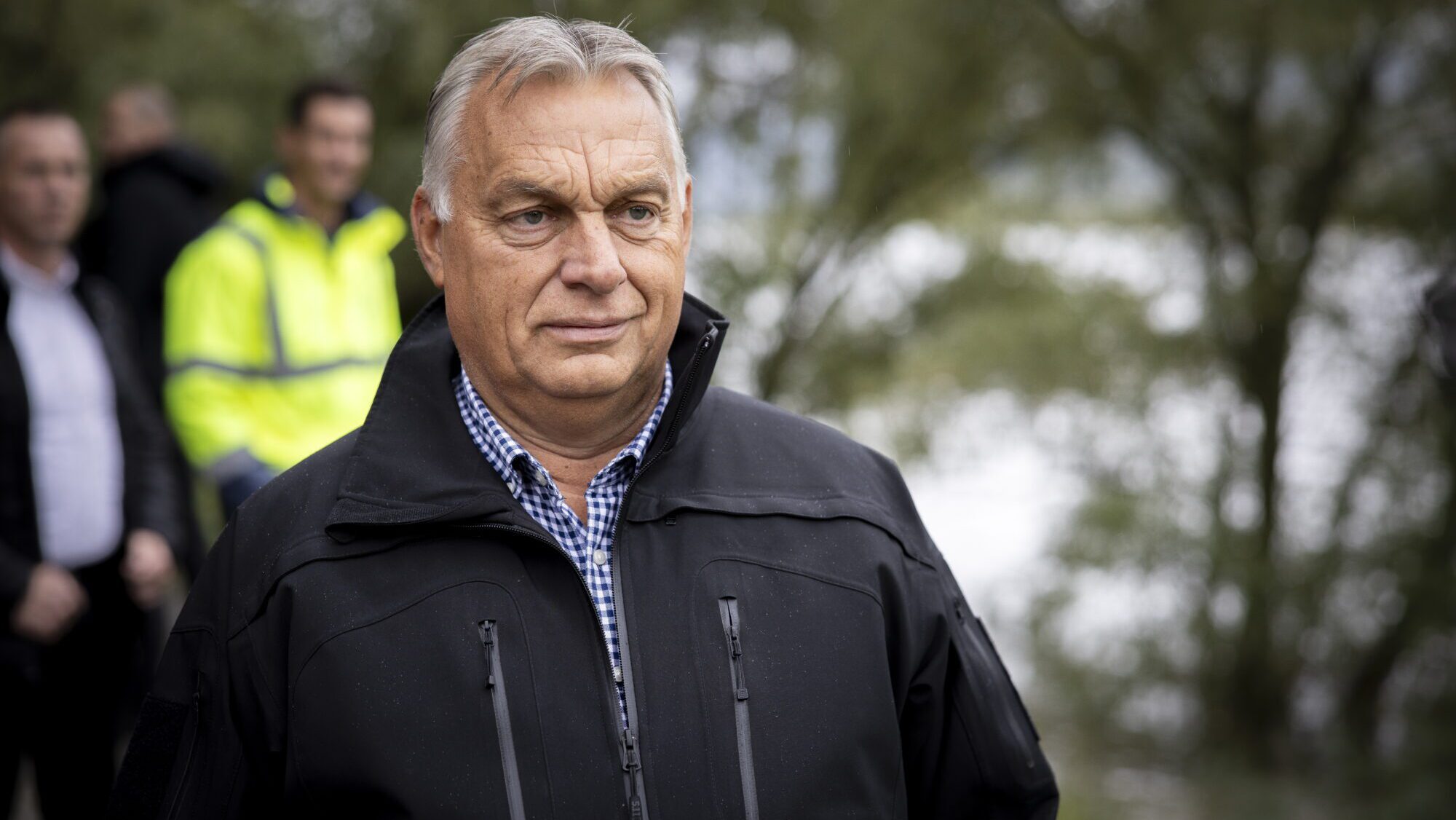
If there is one man in Europe who has earned the right to criticize Brussels for its economic ineptitude, it is the prime minister of Hungary.
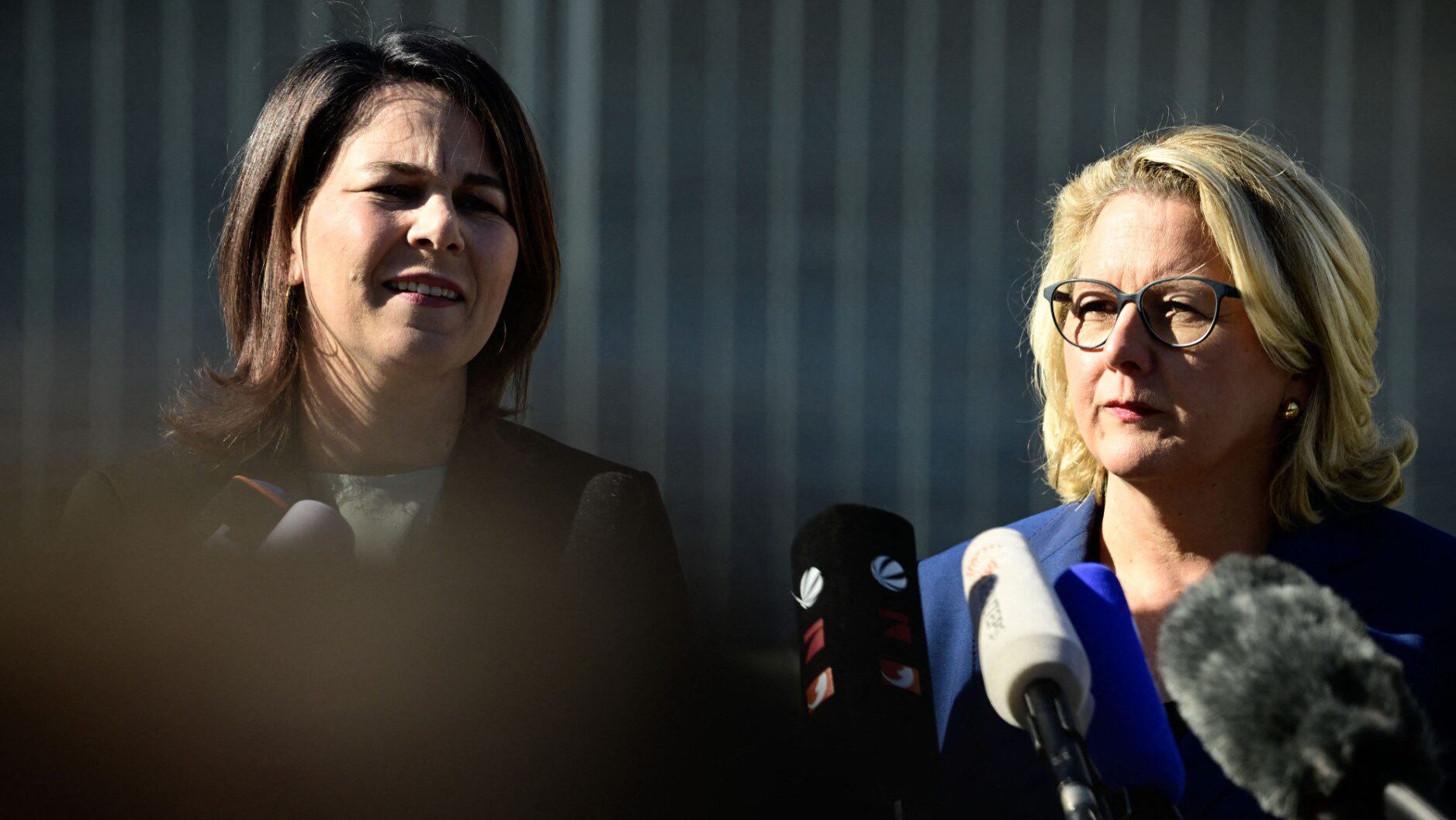
Foreign Minister Baerbock’s plan fails to explain how prioritizing “gender-transformative projects” would counter Chinese influence in the region.

Vice Admiral Schonbach said the deployment is “like a teaser;” a signal of German commitment to increased engagement in Asia. “We’re here for the first time after 19 years to check the battlefield,” he said. “The next step, I hope that we can come on a regular basis.”

We can now recognize a clash of two opposing views, indeed two clashing interpretations of reality: that of the local Syrians and that of the Western media.