

Belgium Warns EU: We Won’t Pay the Price for Russian Asset Plan
Belgium’s prime minister told lawmakers that any move to tap Moscow’s frozen funds could expose Brussels to massive legal claims

Belgium’s prime minister told lawmakers that any move to tap Moscow’s frozen funds could expose Brussels to massive legal claims

“I understand his concerns, he has good arguments—but we also have good arguments about reaching our common goal” is the German chancellor’s assessment of his ‘weak’ Belgian counterpart.

De Wever warns the loan could be perceived as “illegal confiscation” by foreign nations and investors.
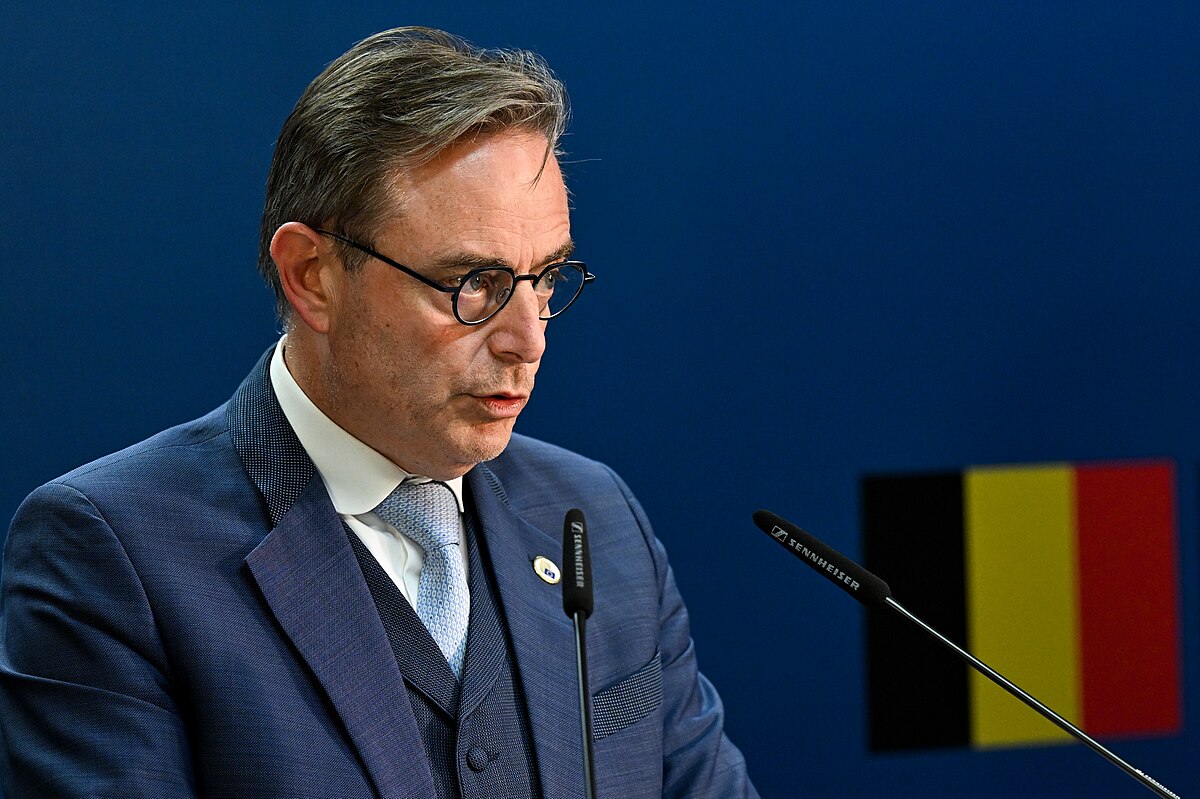
The Kingdom is preparing for major disruption this week as workers increase pressure on the government during tense budget talks.
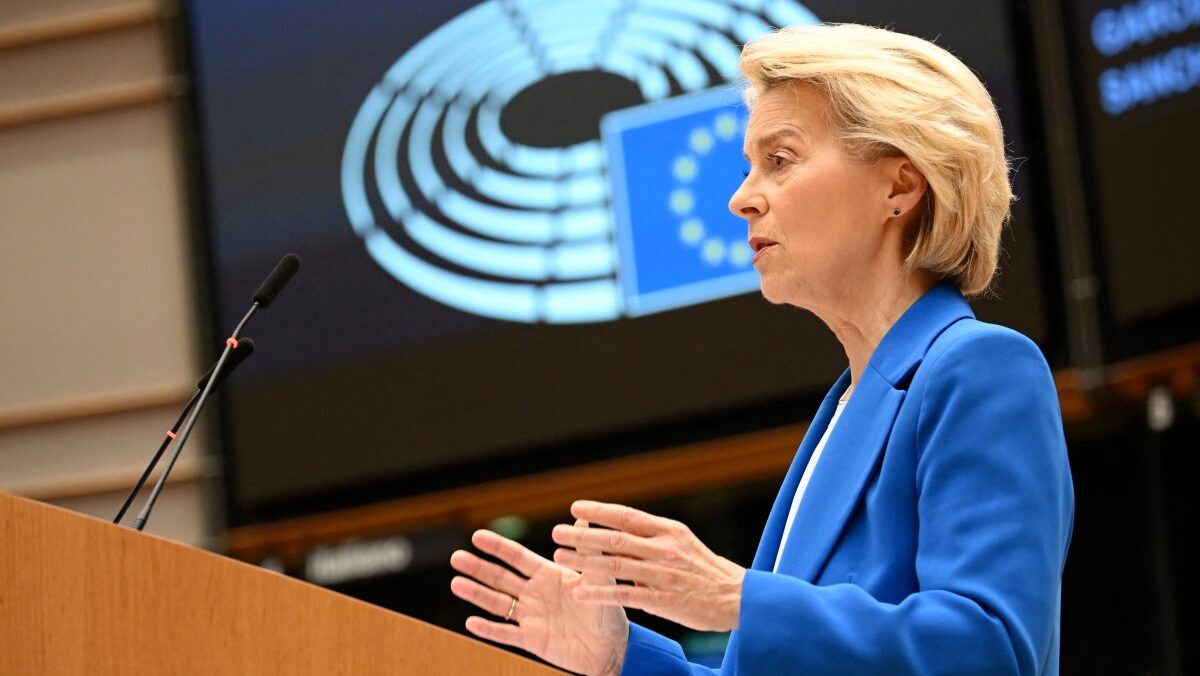
The European Commission president plans to use frozen Russian assets and new European loans to finance Kyiv, despite Belgium’s opposition and growing political fatigue within the EU.

In a pattern eerily similar to other EU states, the Belgian government stands and falls with its own inability to balance its finances. The price will be paid by taxpayers.

De Wever gives the ruling coalition until Christmas to agree €10bn in savings, after warning he may resign if no deal emerges.

Six in ten jobless people have migrant roots, prompting the Belgian government to cap benefits after two years—aiming to cut costs by €2 billion.

Judicial alarm and chaos in Belgian ports push the country to seek U.S. support.
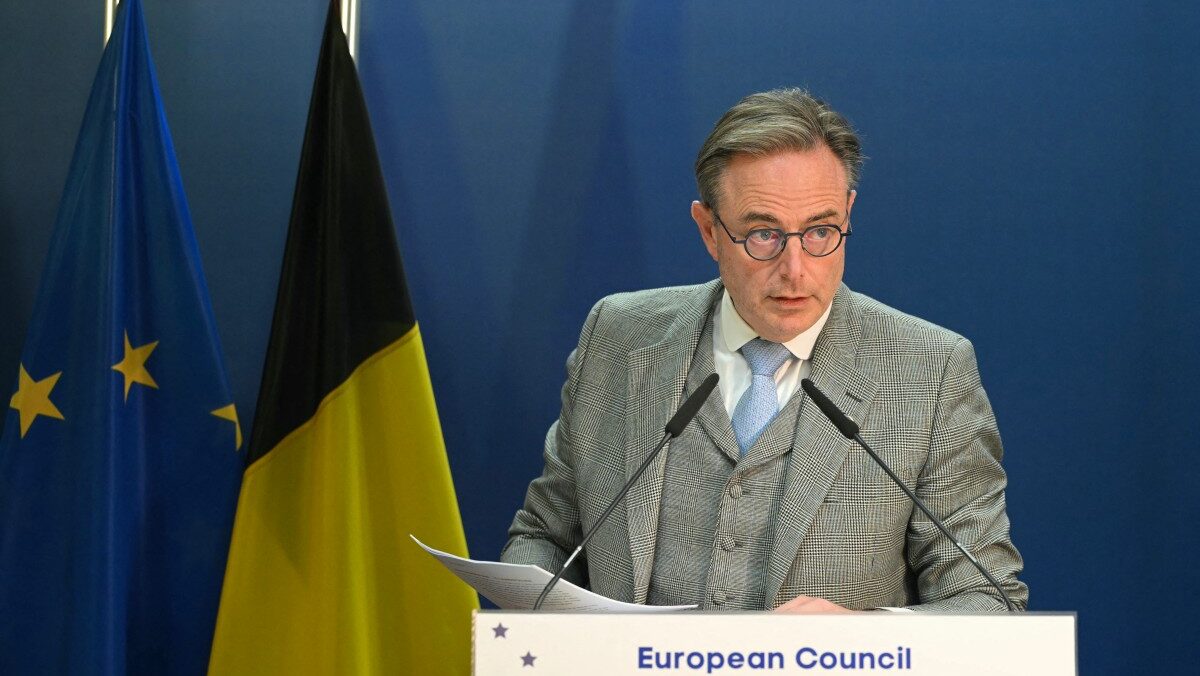
The European Council again displays rhetorical unity while fatigue and internal divisions over Ukraine continue to grow