
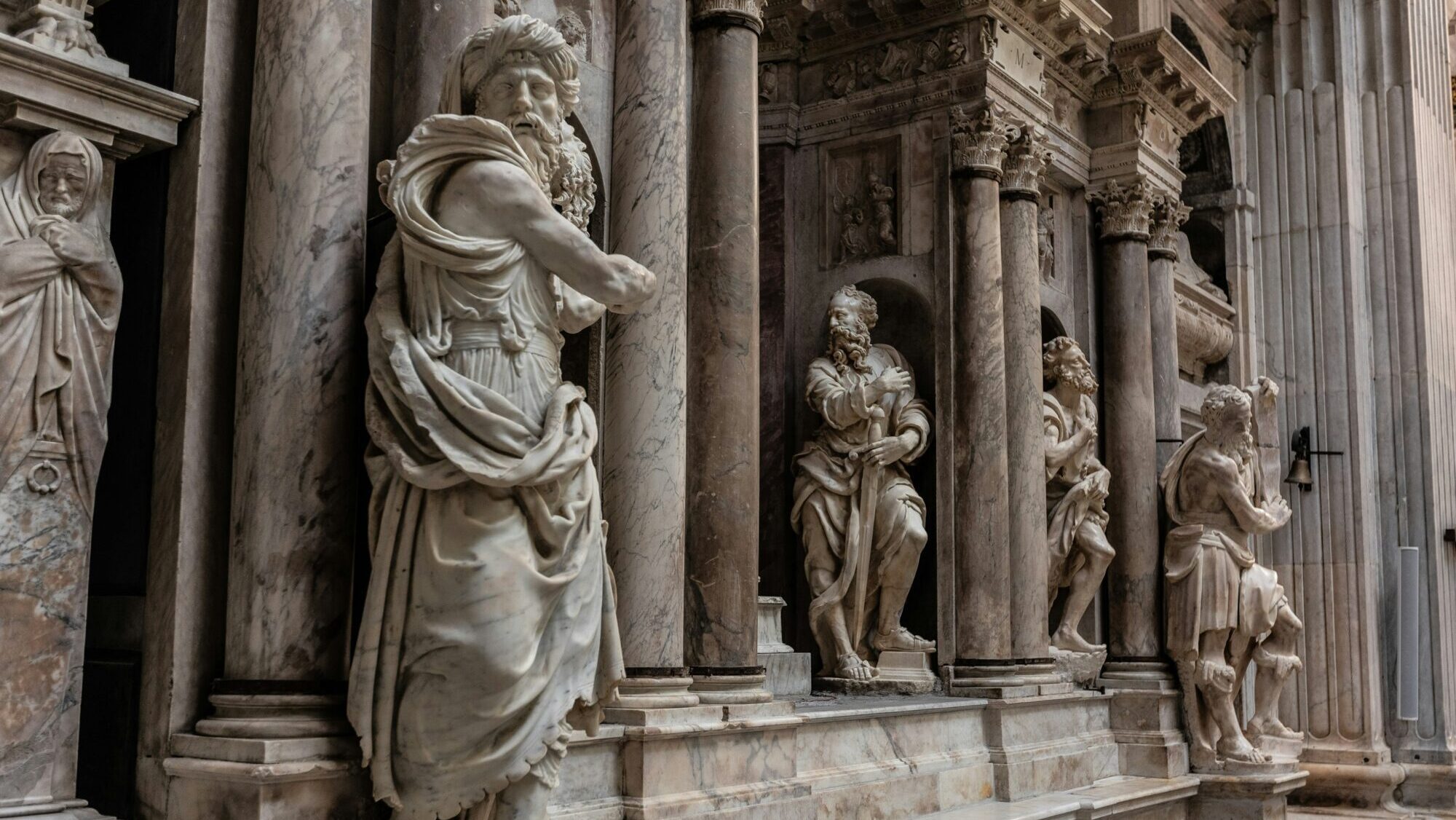
Why Modernism Failed
As long as there is a viewing public that can witness beauty, there will be a desire for tradition.

As long as there is a viewing public that can witness beauty, there will be a desire for tradition.
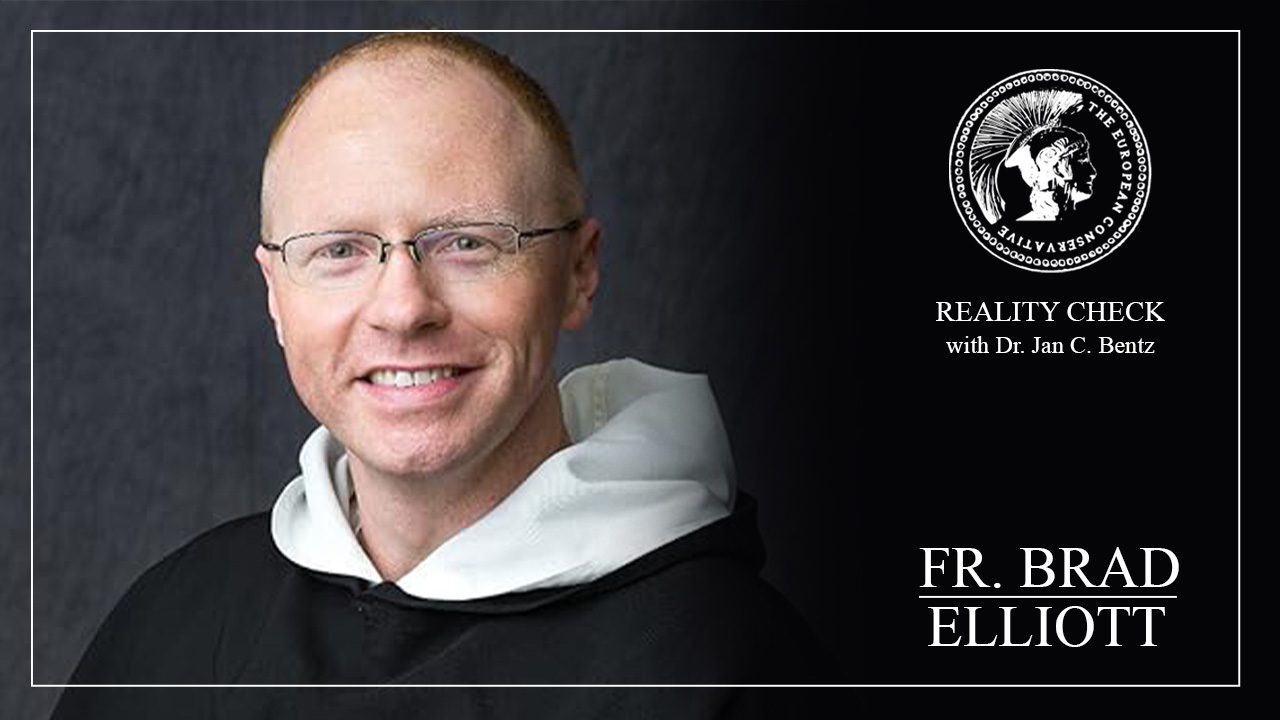
What is the relationship between art and morality, and can beauty truly save the world? We explore these profound questions with Fr. Brad Elliott OP, a Dominican friar, artist, and philosopher.
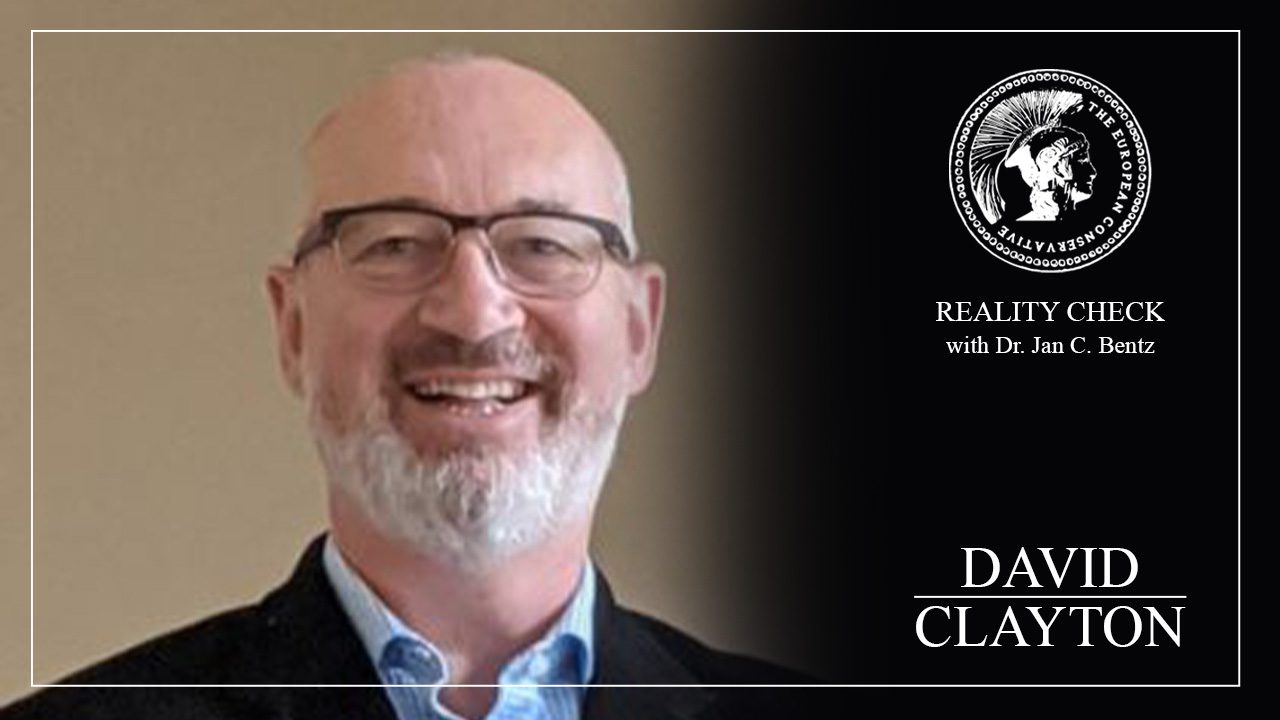
Jan C. Bentz talks with David Clayton, artist, writer, and provost at Pontifex University, about beauty and art. Is beauty objective? Is it scientific? What makes a good artist good? All these and more related questions are tackled by Clayton in the context of art and sacred art.
The Italian writer argued that when society dismisses or disparages beauty, it cuts itself off from reality itself.
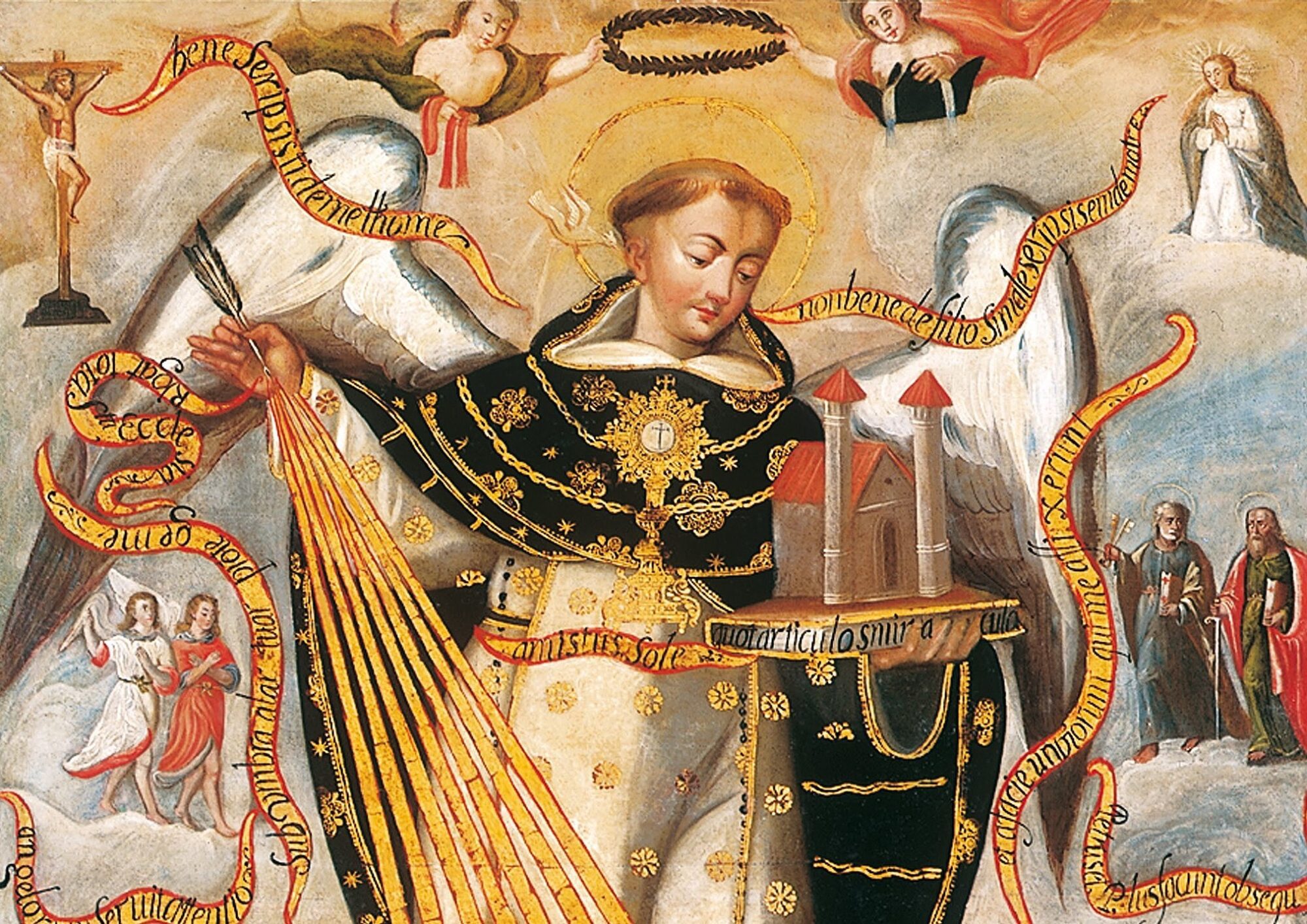
A true celebration of the mind for lovers of classical ancient and medieval thought, Morello’s is a valuable guide.
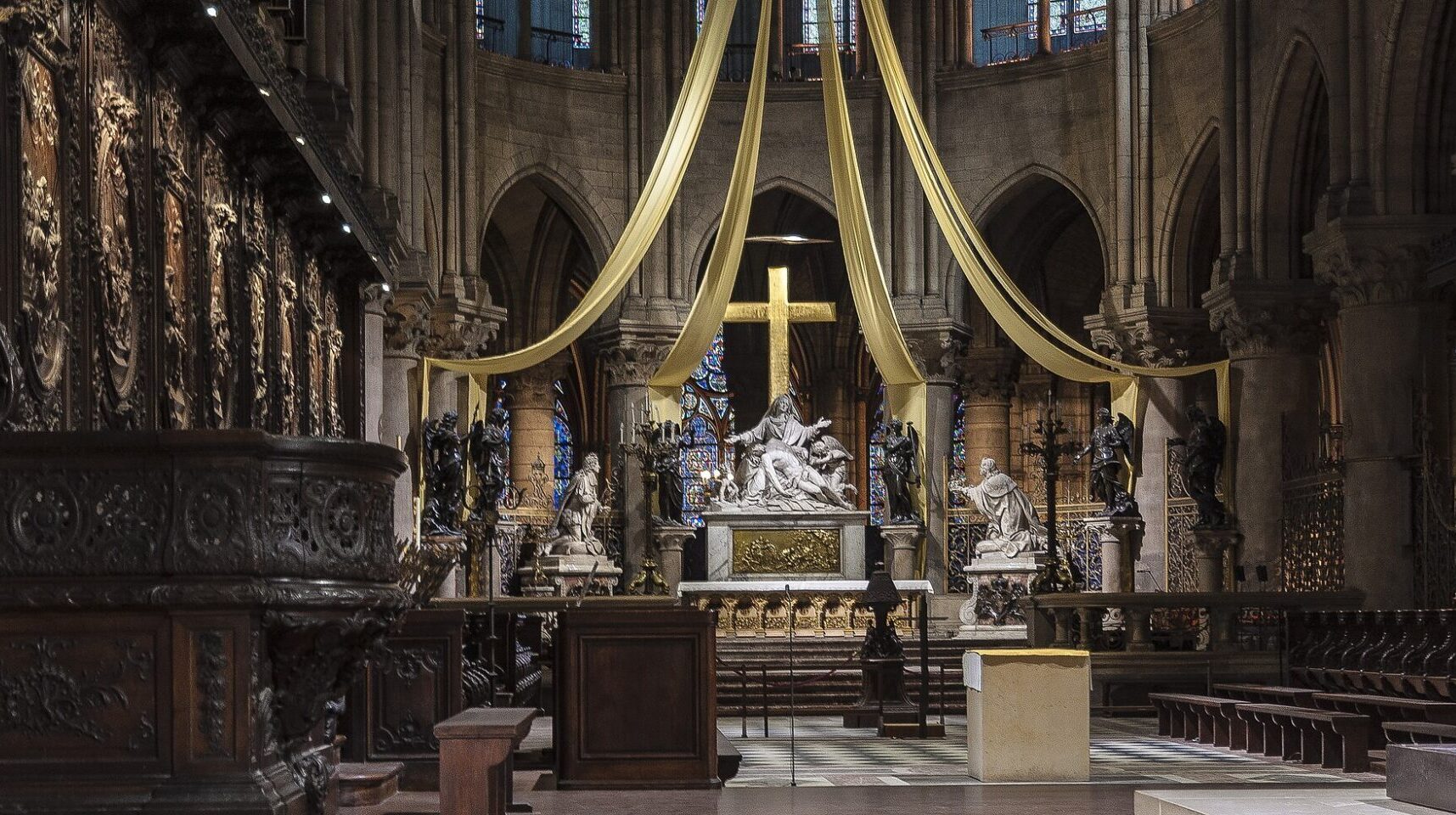
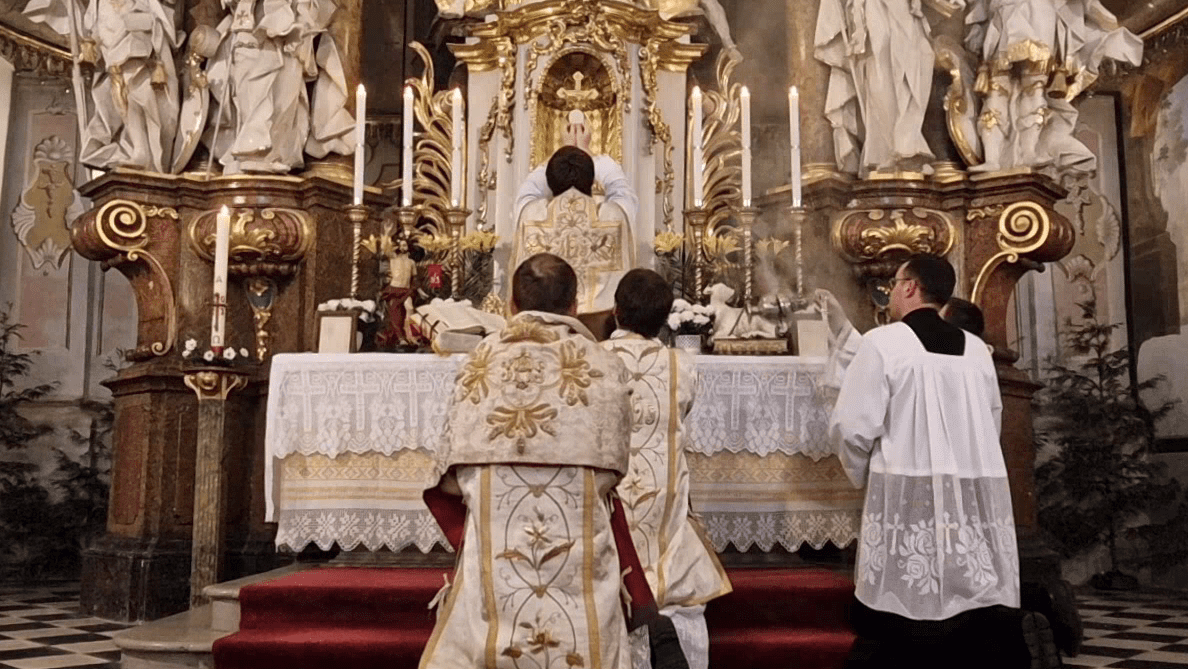
It’s a safe bet that Archbishop Ulrich and his acolytes never asked themselves about the transmission of the faith and the salvation of souls when approving these supposedly aesthetic choices.
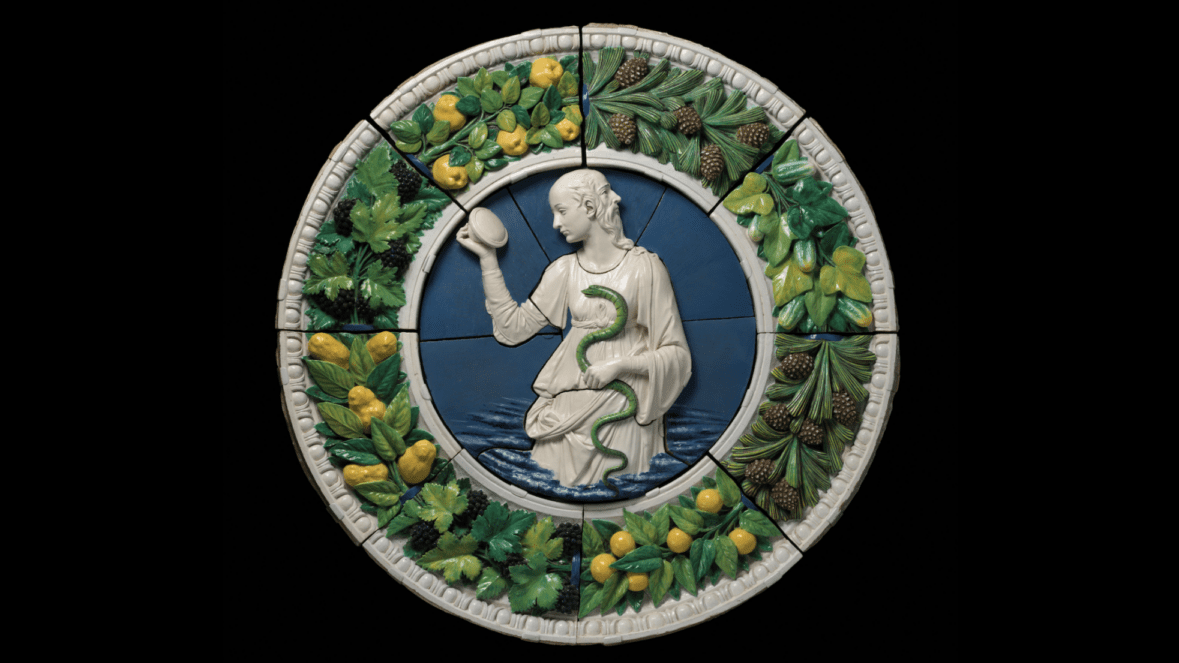
The most important thing for Scruton was to show that beauty can lead us from worldly concerns to the most important themes of our lives.
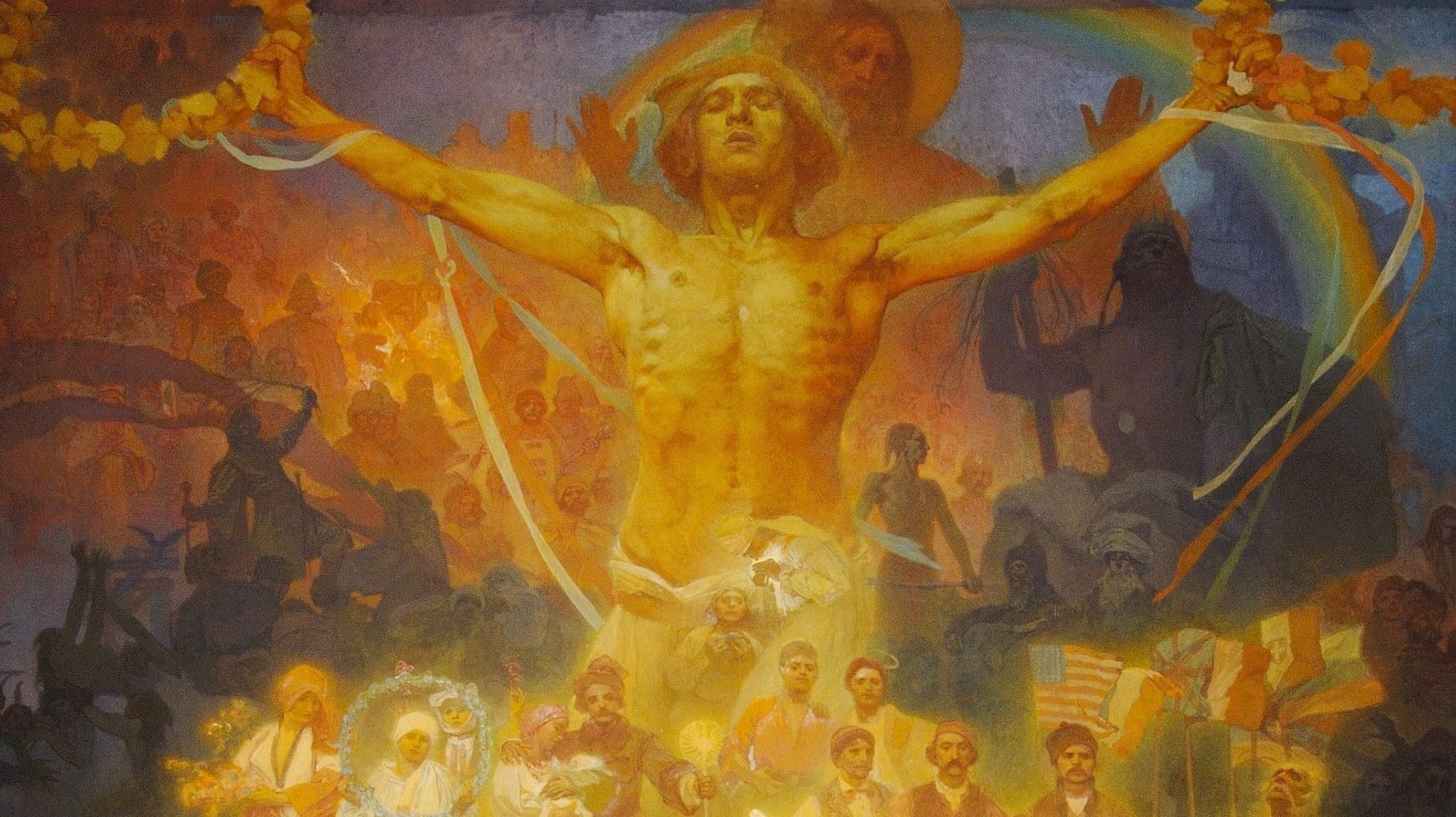
Defenders of ‘the nation’ often fall back on practical issues of scale and power balance, ignoring the Biblical and Platonic tradition that celebrates the diversity of nations as an aesthetic good.
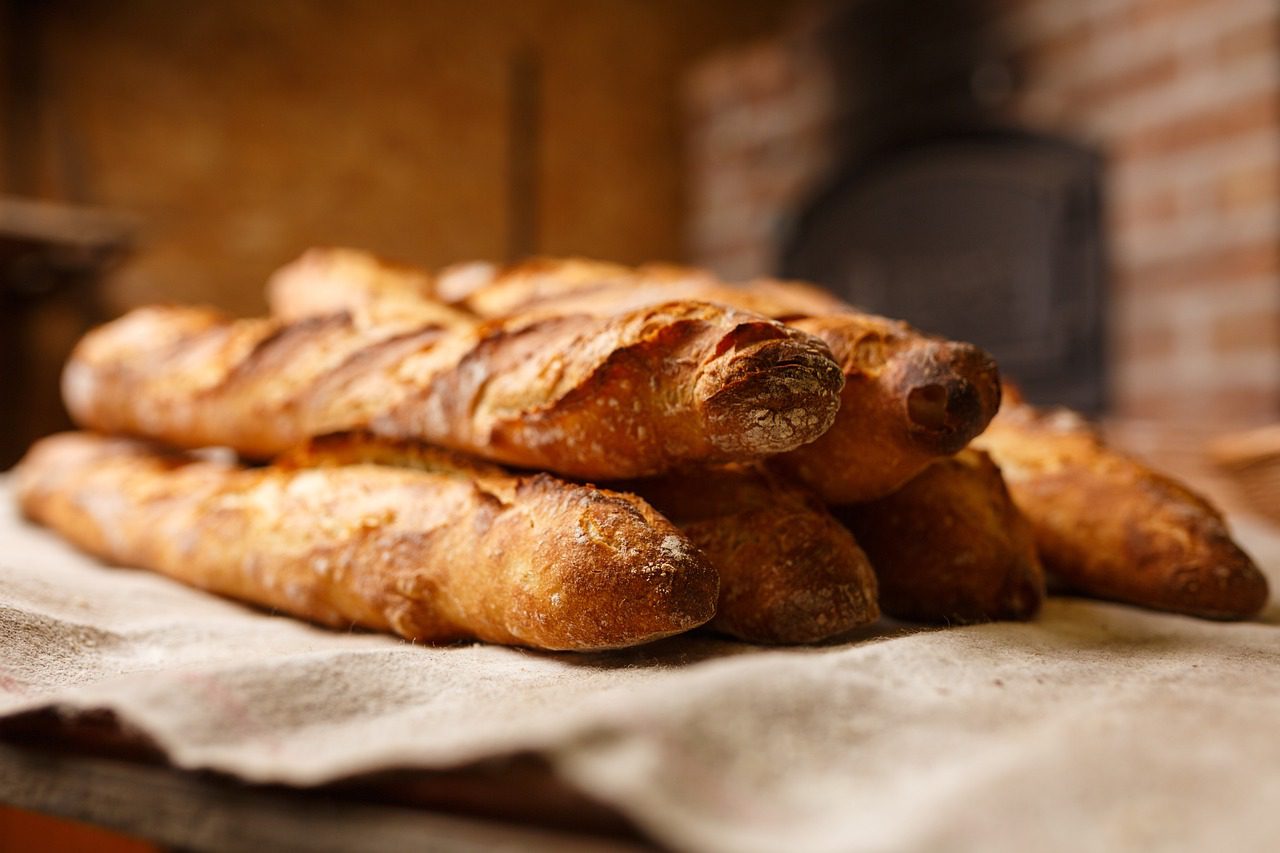
In Paris, despite Anne Hidalgo’s efforts, there are still traditions that resist, and on every street corner you can acquire, for the modest sum of one euro and a few cents, a piece of happiness and eternity.
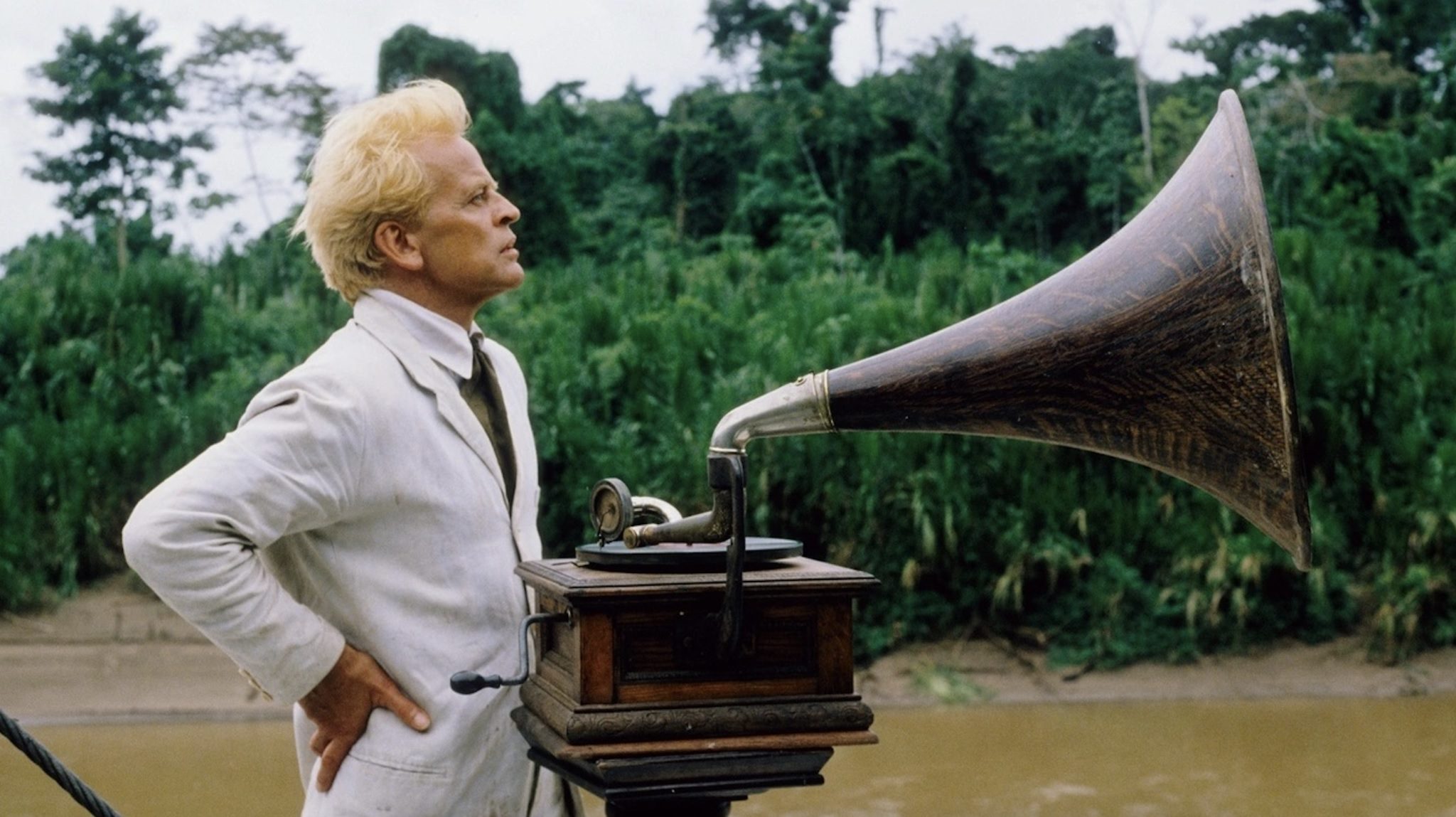
Hypersensitivity forces beauty into a politically-correct straitjacket. It is hardly surprising that such straitjackets kill beauty, for what cannot breathe, cannot live.