
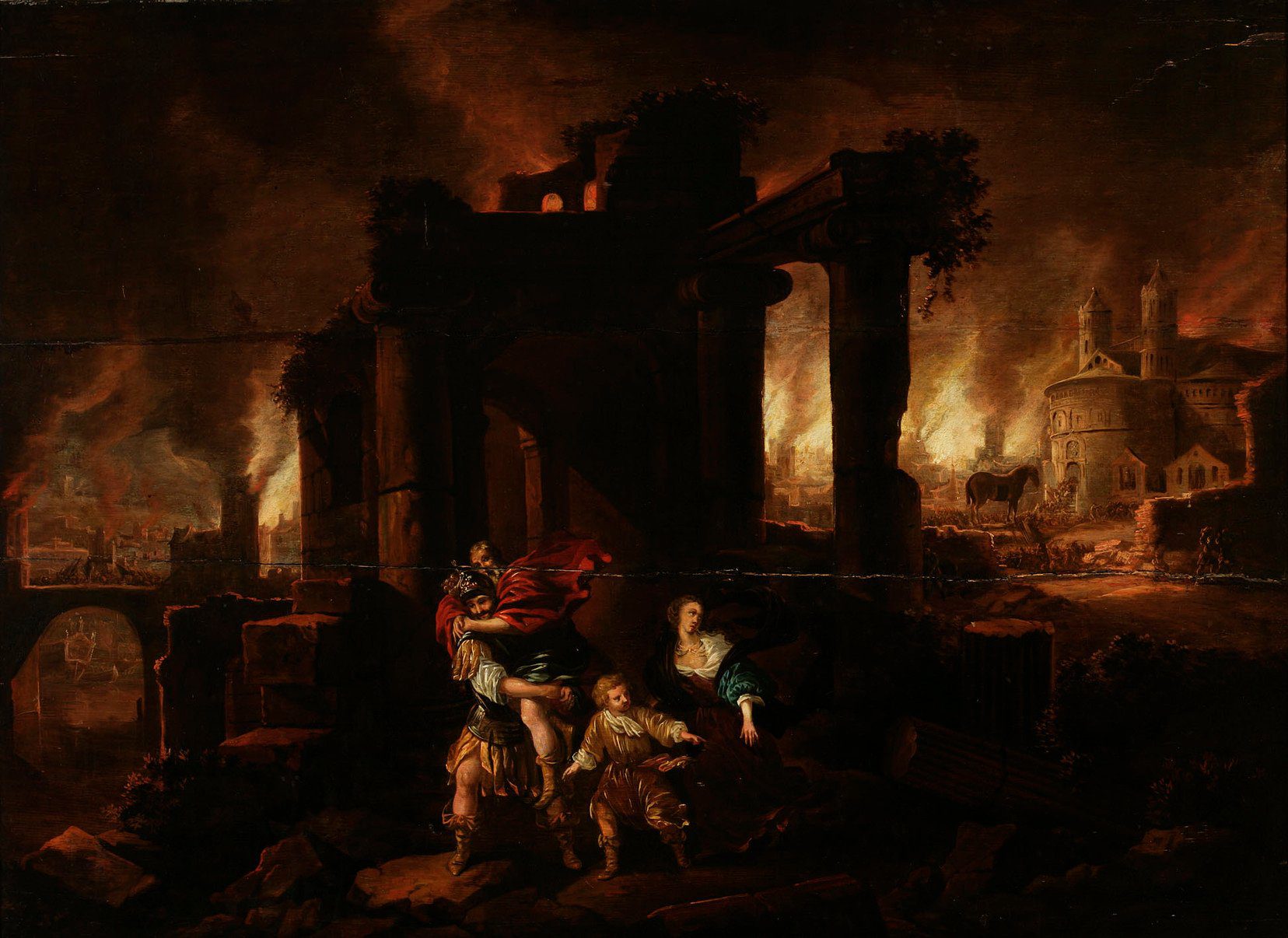
The Violence of June: Remembrance of the Fall
The history of early June is steeped in violence.

The history of early June is steeped in violence.
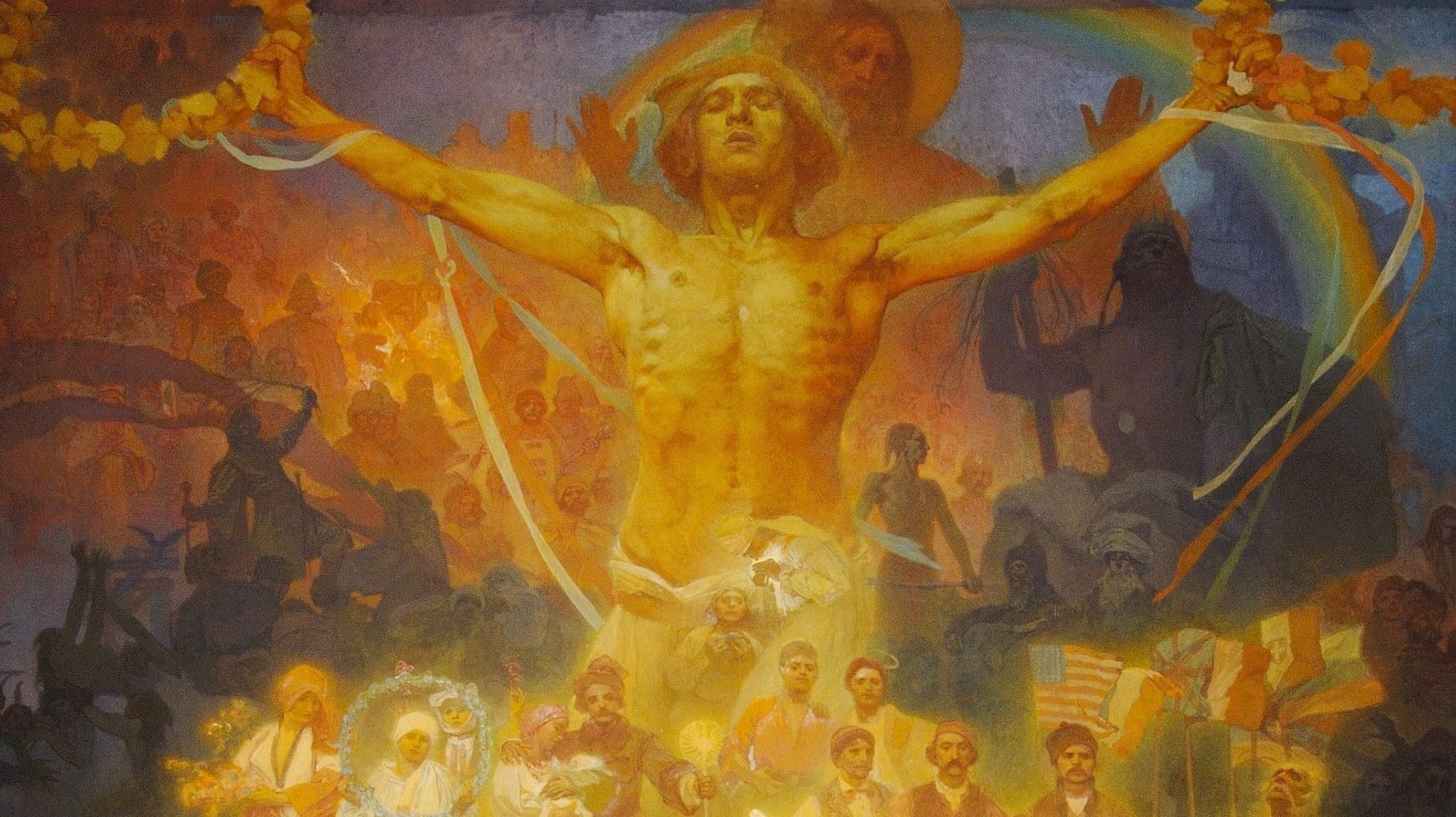
Defenders of ‘the nation’ often fall back on practical issues of scale and power balance, ignoring the Biblical and Platonic tradition that celebrates the diversity of nations as an aesthetic good.
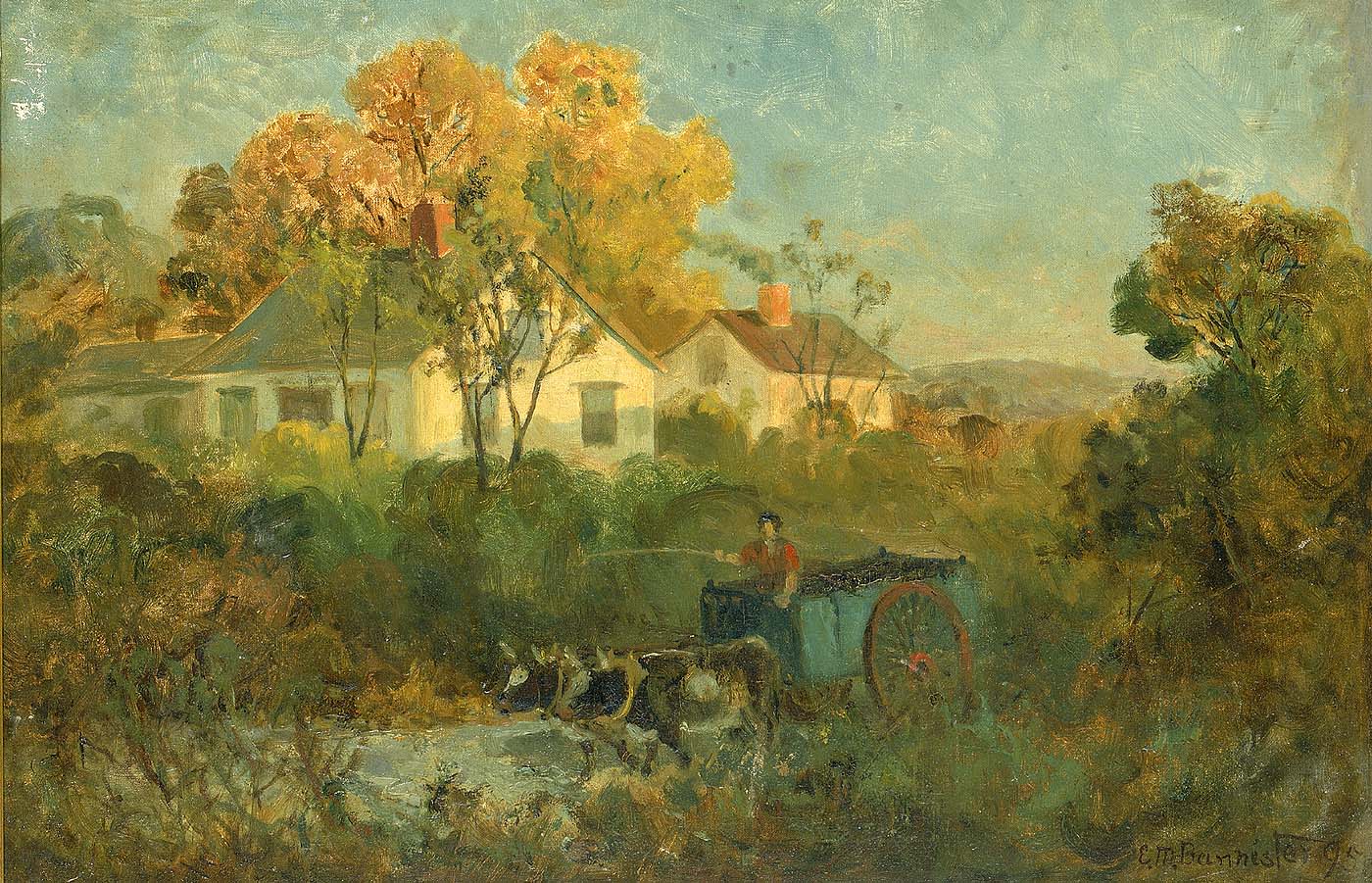
Wendell Berry’s stories are an effective evocation of the world he loves and wishes to defend; as one friend put it to me: “His stories make me love what I should love and hate what I should hate.”
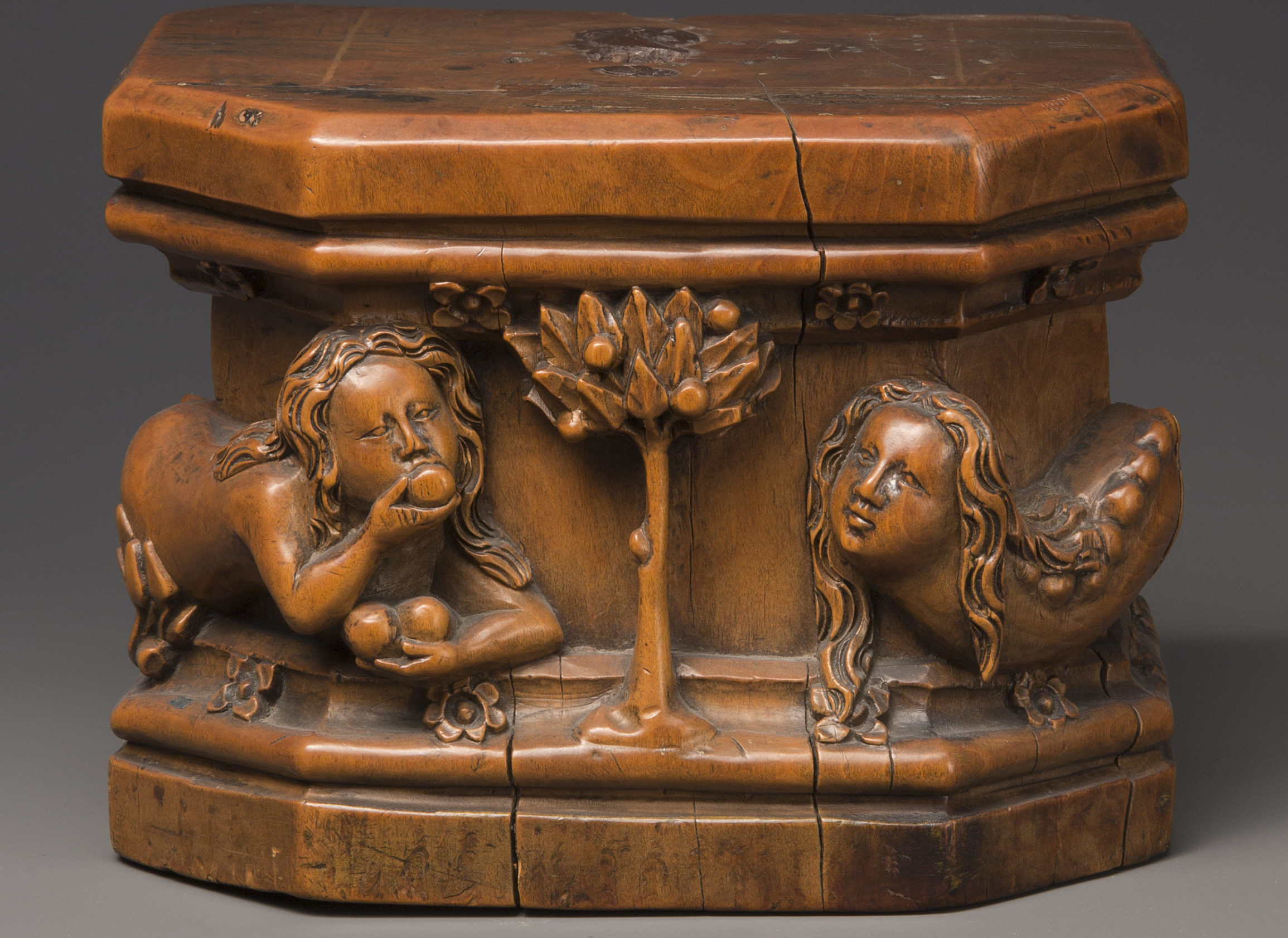
To apply to myth the reigning science of the day, in an attempt to transform it into a factual chronicle of human affairs, means inevitably to mangle what is most intrinsic to myth: its kaleidoscopic abundance, its playfulness, its immeasurable depth.

“The world is full of devouring wolves, and you, unfaithful dog, know not how to bark.”
In the arena of the culture war, ideas become political brands, stitched into the terrible body of the news cycle, until they share in that sickly bloodstream. Instead of building civic participation, they get their oxygen from media attention.
The Bible recommends that kings be anointed after the conquest of their realm. Institutions are not to be founded in the throes of a crisis, which would result in their legitimising themselves through that crisis and so perpetuating it.