
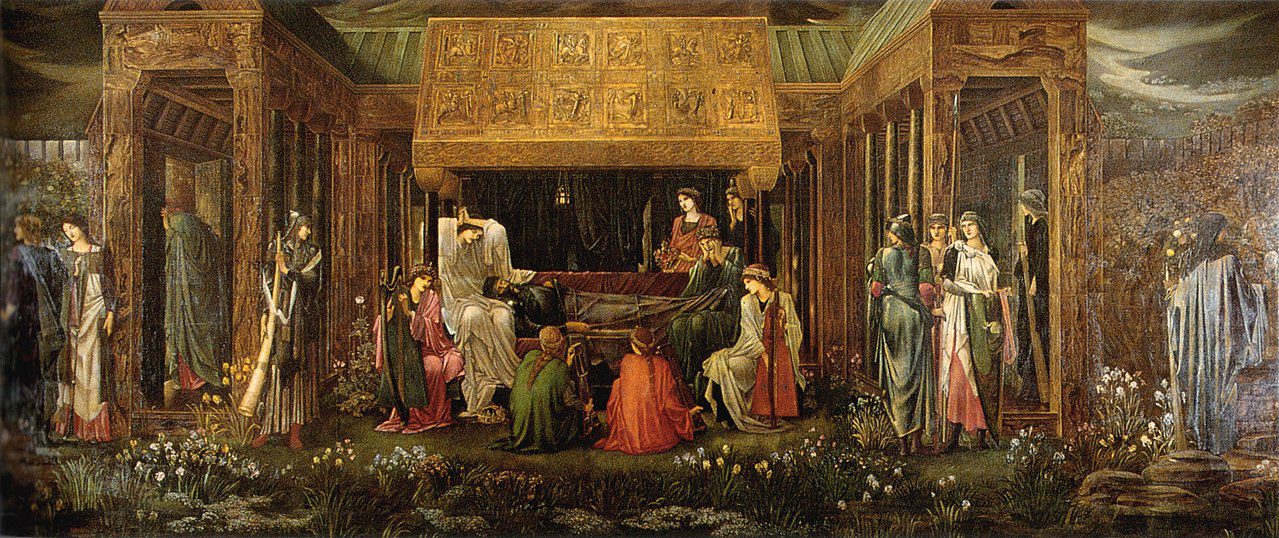
Defending Camelot
The Arthurian legend, despite attempts to use it for other purposes, is a parable of a militant Catholicism that saved Western civilisation.

The Arthurian legend, despite attempts to use it for other purposes, is a parable of a militant Catholicism that saved Western civilisation.
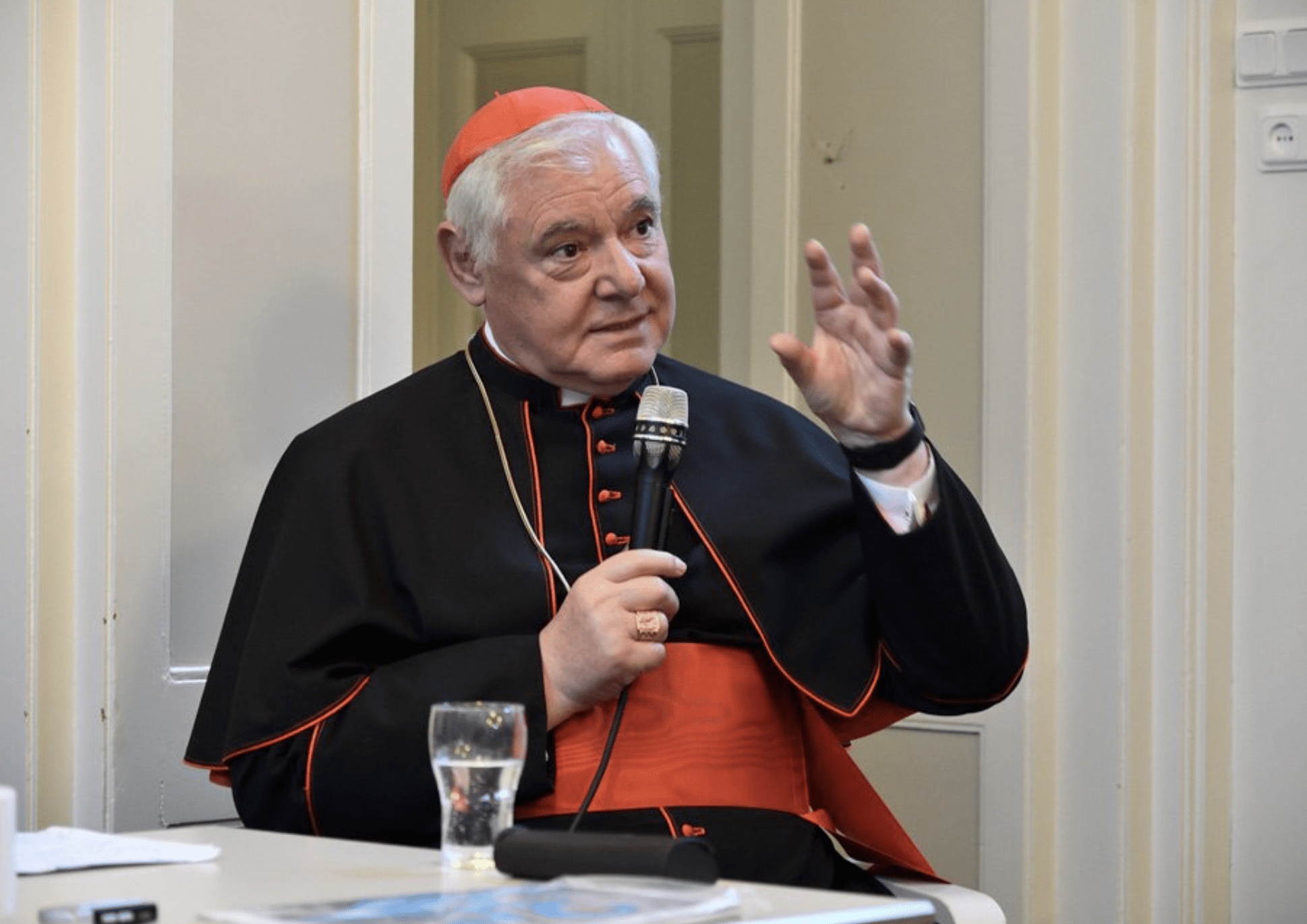
German Cardinal Gerhard Müller, the former head of the Congregation of the Doctrine of Faith, has cautioned against the Church’s increasingly firm embrace of the Left’s secular progressivism and ‘wokism.’
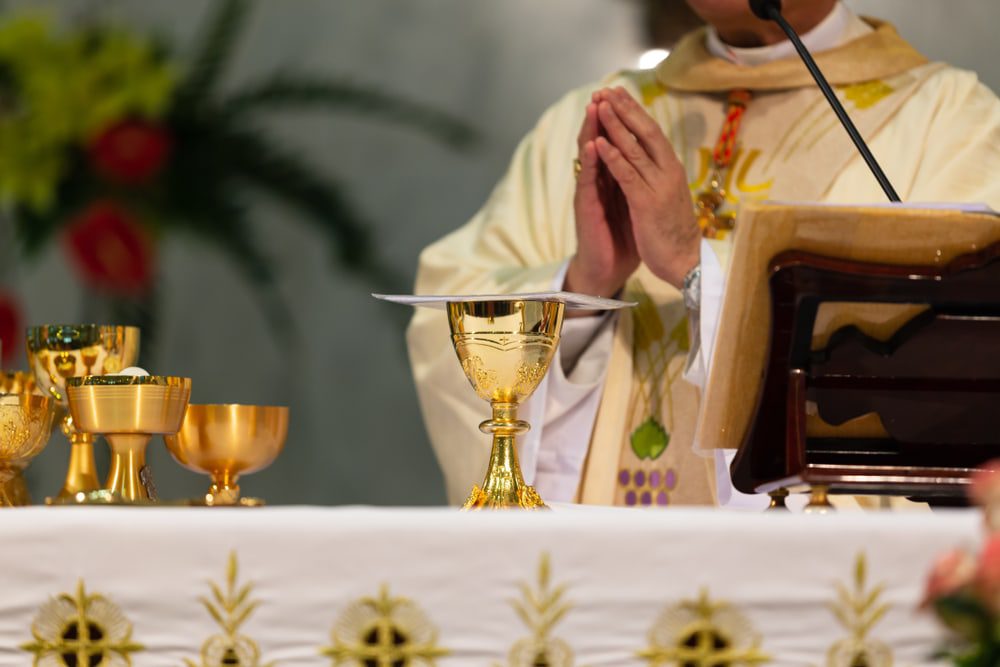
In my experience, it was at the Masses that were less spectacularly arranged, externally less festive, where I sensed true Christian festivity. My favorite Mass is still the uninspiring Mass of the average Catholic parish.

The party, originally established in 1870 to represent Catholic interests, gained a federal lawmaker on Tuesday after Schleswig-Holstein MP Uwe Witt, who in December left the populist Alternative for Germany (AfD) party, announced his decision to switch party affiliations.
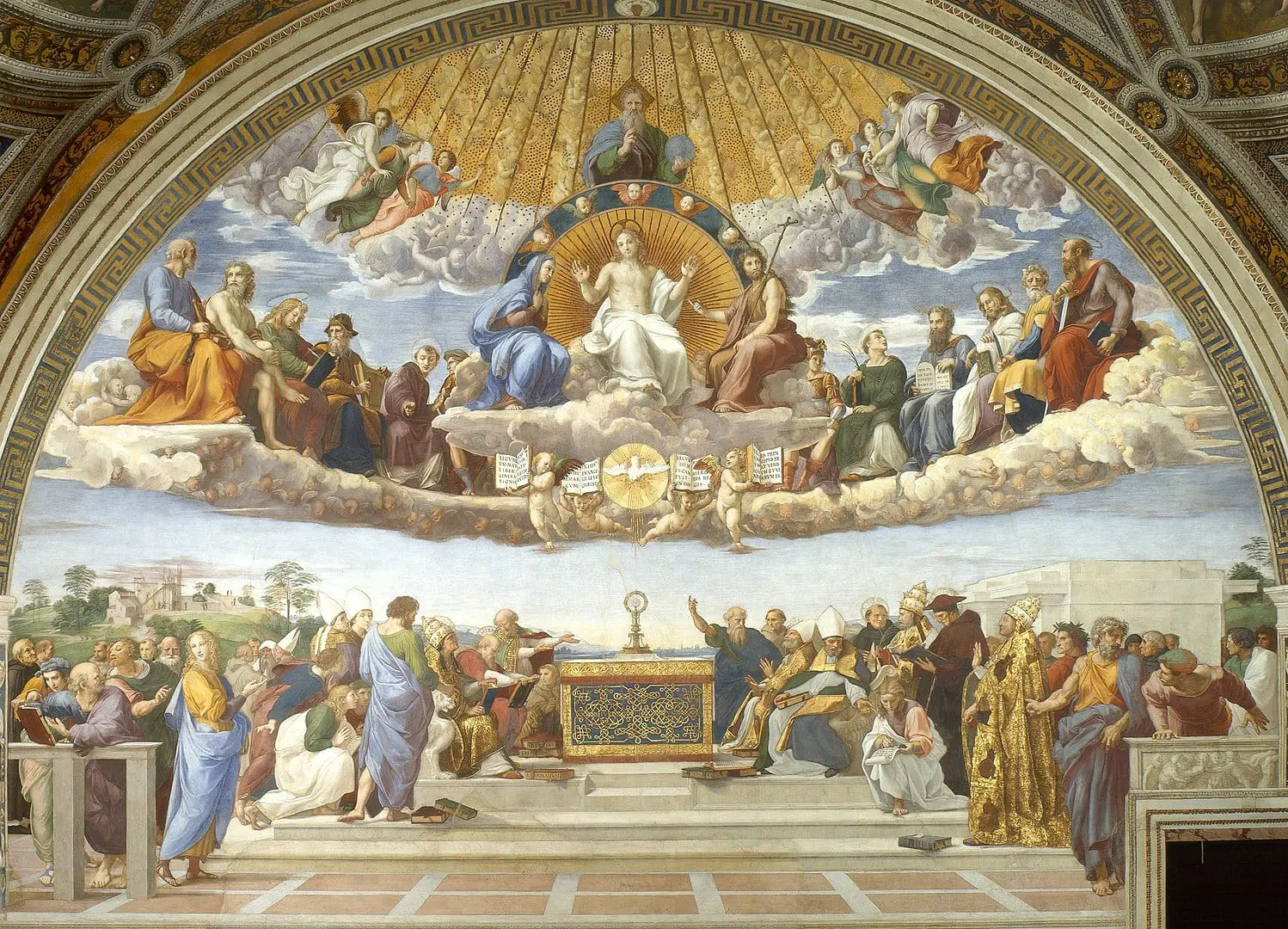
Catholics are surrounded by the upside-down chatter of ecclesiastical newspeak, and it is here to stay, that is, until a rediscovery that the Church derives her purpose from the Great Commission—the mandate to make disciples of all nations, and this cannot be substituted.
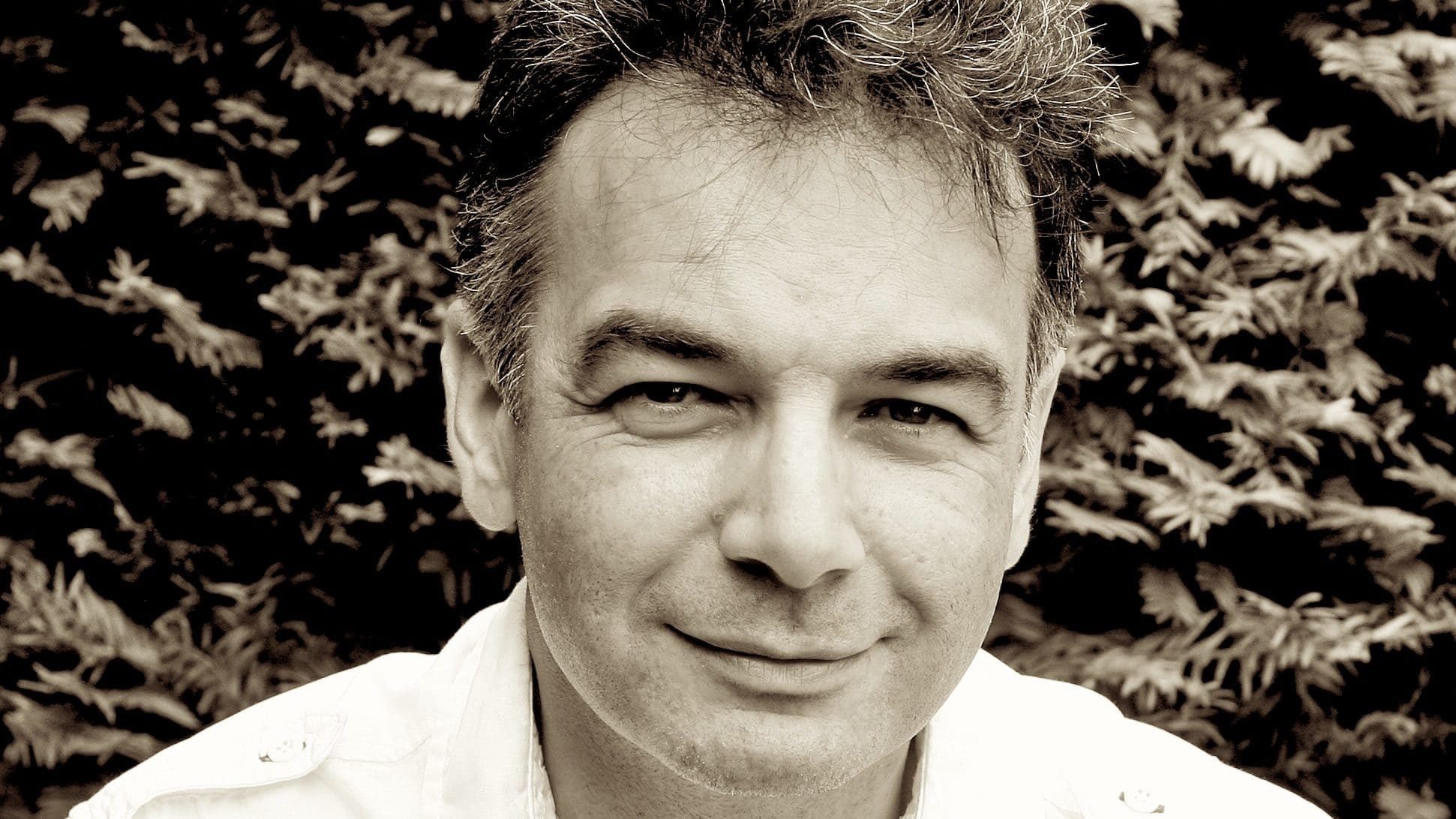
Edoardo Albert has done a magnificent job of giving us men of flesh, blood, and bone. The Northumbrian Thrones trilogy is a historical and literary achievement.

On January 5th, 6,000 German Catholics sent a petition to Pope Francis to express their opposition to the “synodal path” taken by the German Bishops’ Conference.
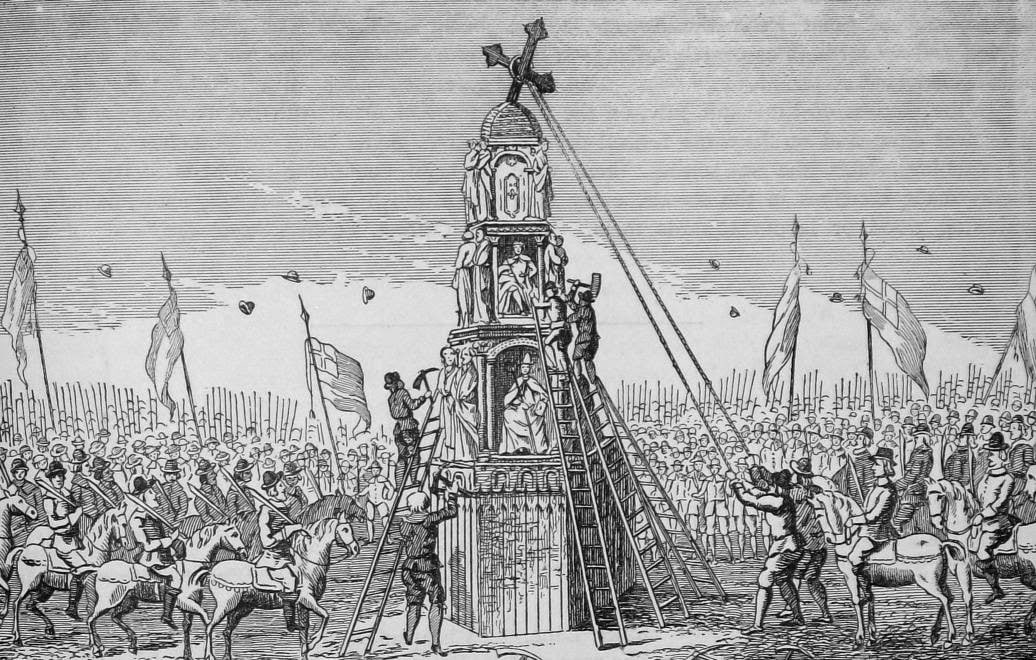
The New Puritans feign an aversion to pride and idols only insofar as it serves their political ends. They should be rejected as menacing imposters. But we should also reject a more sincere application of Puritan principles.

Vienna and New Orleans, despite everything, have remained themselves in the face of larger cultures, consciously or otherwise, attempting (with some success) to reduce them to mere sameness.
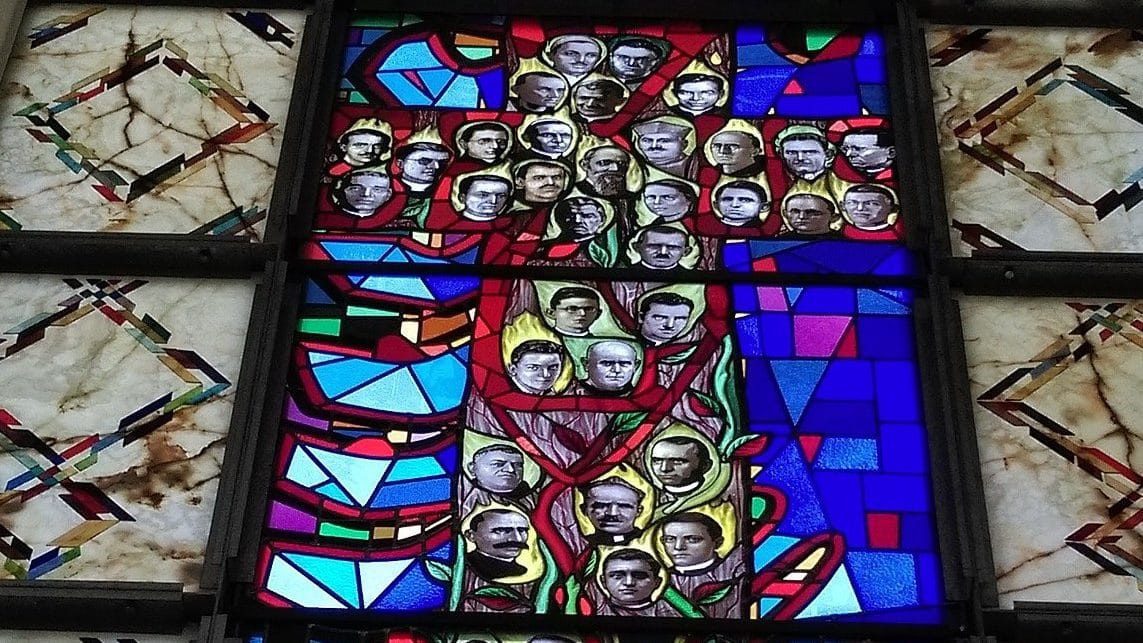
It is almost as if Don Simon Jubani was prepared to be a political prisoner. His collaborators and admirers describe him as “a nut with a hard shell,” “tough,” “passionate for the truth,” “uncompromising,” “provocative and justice-seeking,” and “highly intelligent though impatient.” He was an athletic priest (a former soccer star) who ministered to five mountainous rural parishes in the Mirdita region before he was arrested in 1963. The toughness comes across in print.