
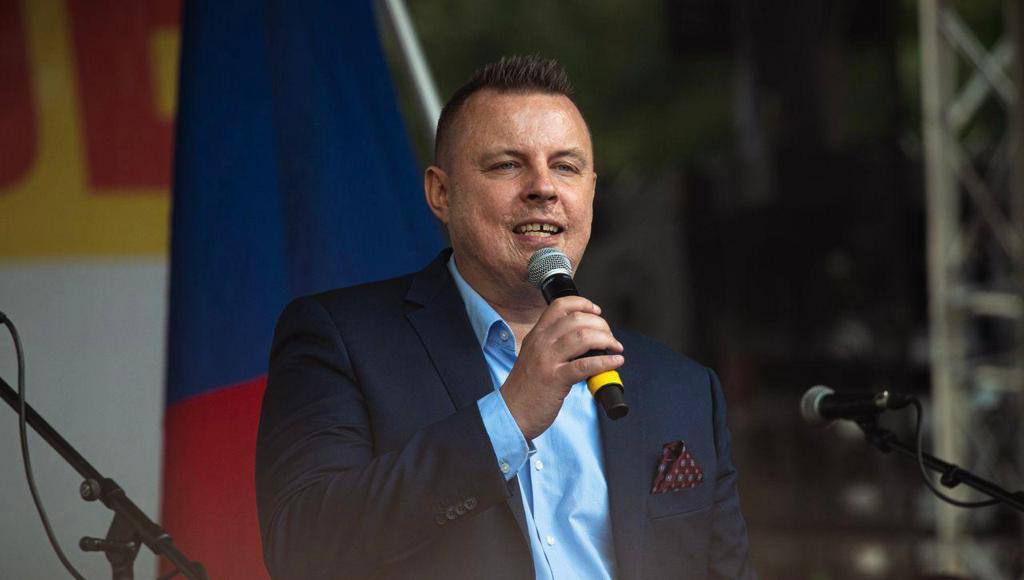
“Middle Europe holds the future”: An Interview with PRO Party Leader Jindřich Rajchl
“Many of us want a government that stands first and foremost, and above all else, for Czech interests.”

“Many of us want a government that stands first and foremost, and above all else, for Czech interests.”
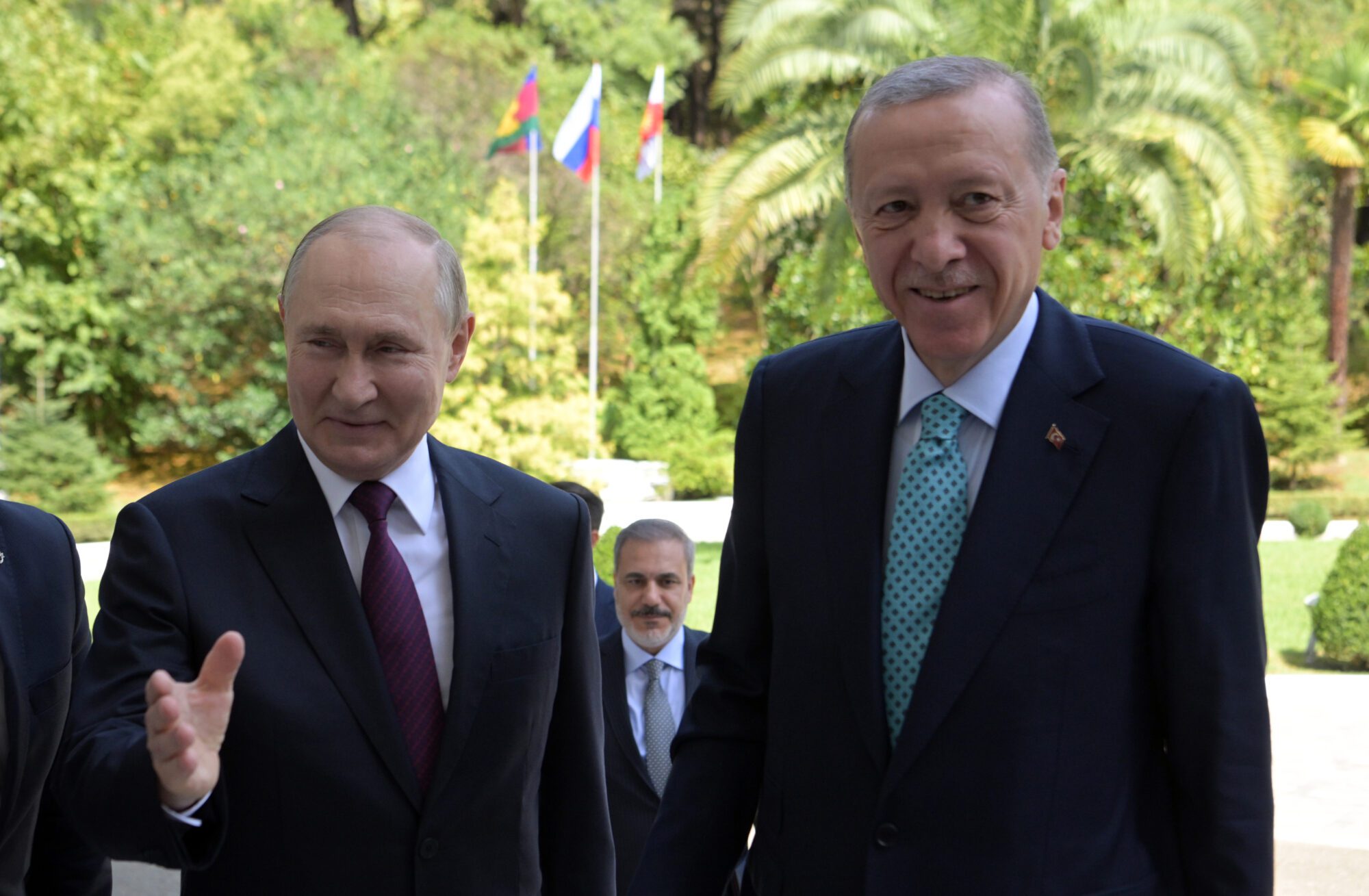
Turkey and the United Nations are trying hard to revive the safe export of Ukrainian grain through the Black Sea, but Putin remains an obstacle.
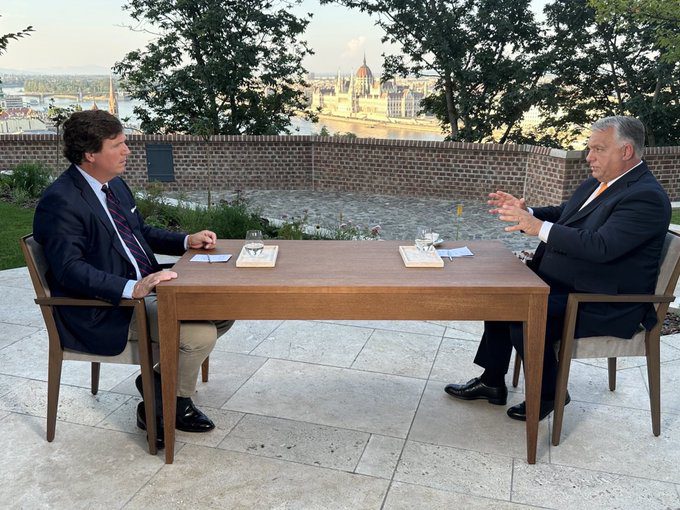
Viktor Orbán revealed some uncomfortable truths about the war in Ukraine and the encroachment of U.S. policy makers in Hungarian affairs.

Twenty years ago, Central Europe had the lowest birth rate in the EU. The region has seen the greatest improvement in recent years. At the same time, female employment is also at its peak, the at-risk-of-poverty rate is much lower, and real earnings are rising steadily.
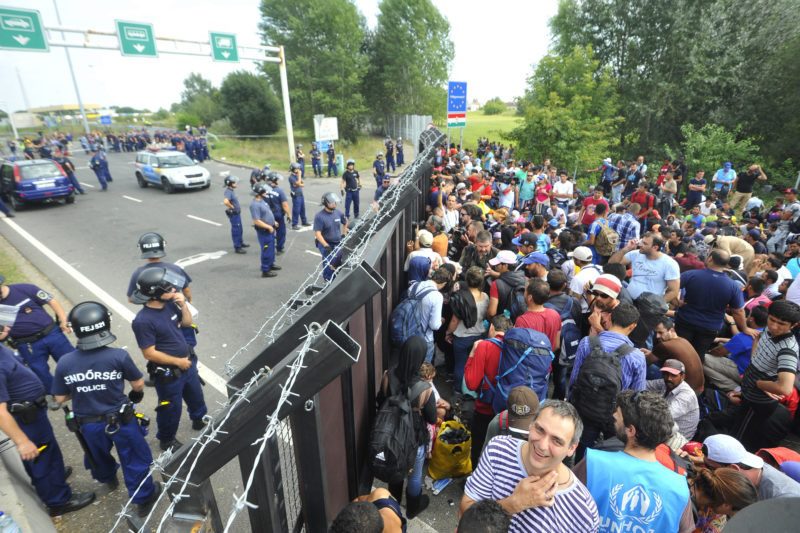
The unsettling numbers revealed in the border agency’s report come a week after Central European leaders met in Budapest to discuss plans to reduce illegal migratory flows.
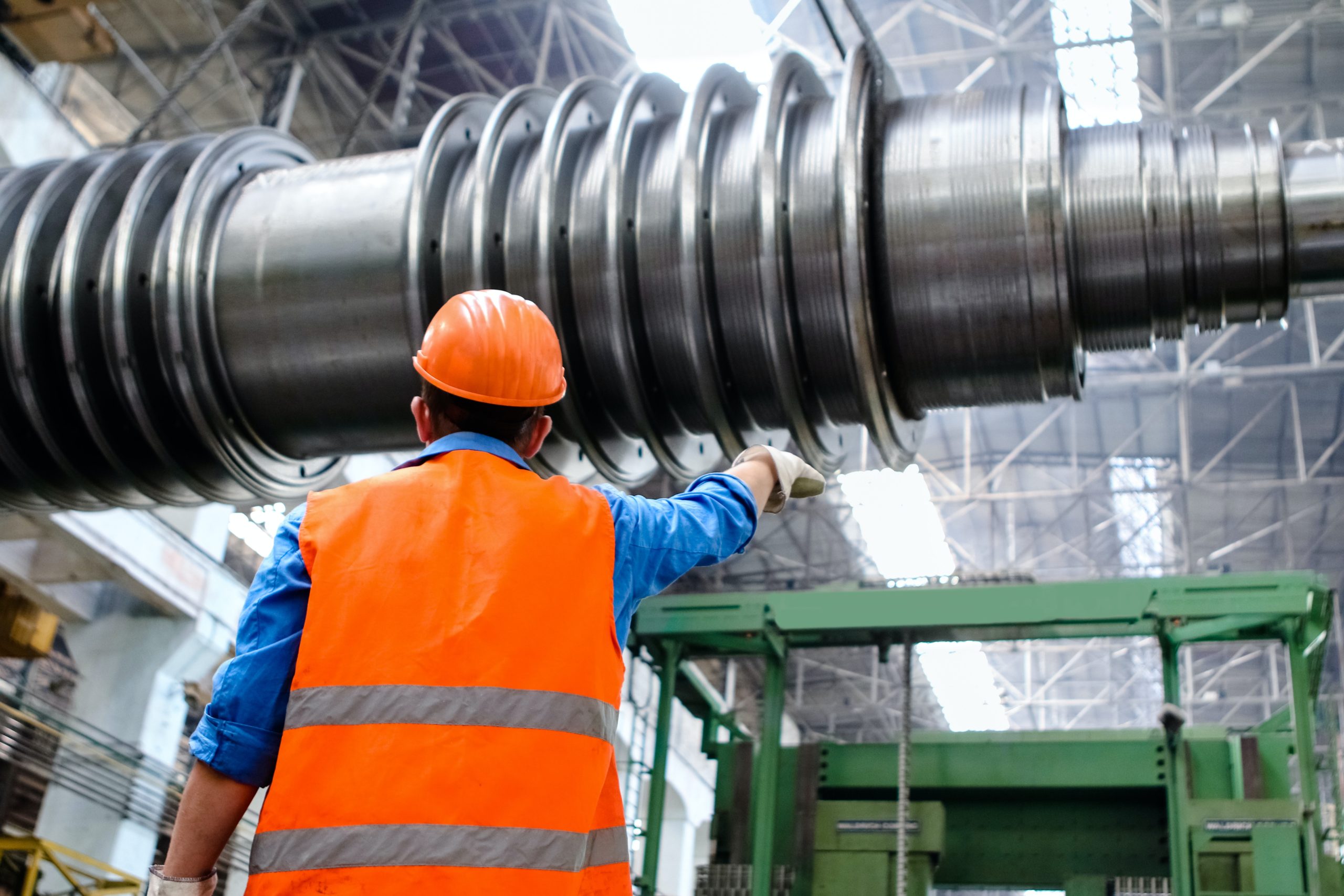
The mass exodus of men returning to fight against the Russian invasion has left industries in Central Europe in a labour lurch.

In trying to make sense of the current madness, it is easy for anyone to be like the blind men with the elephant.
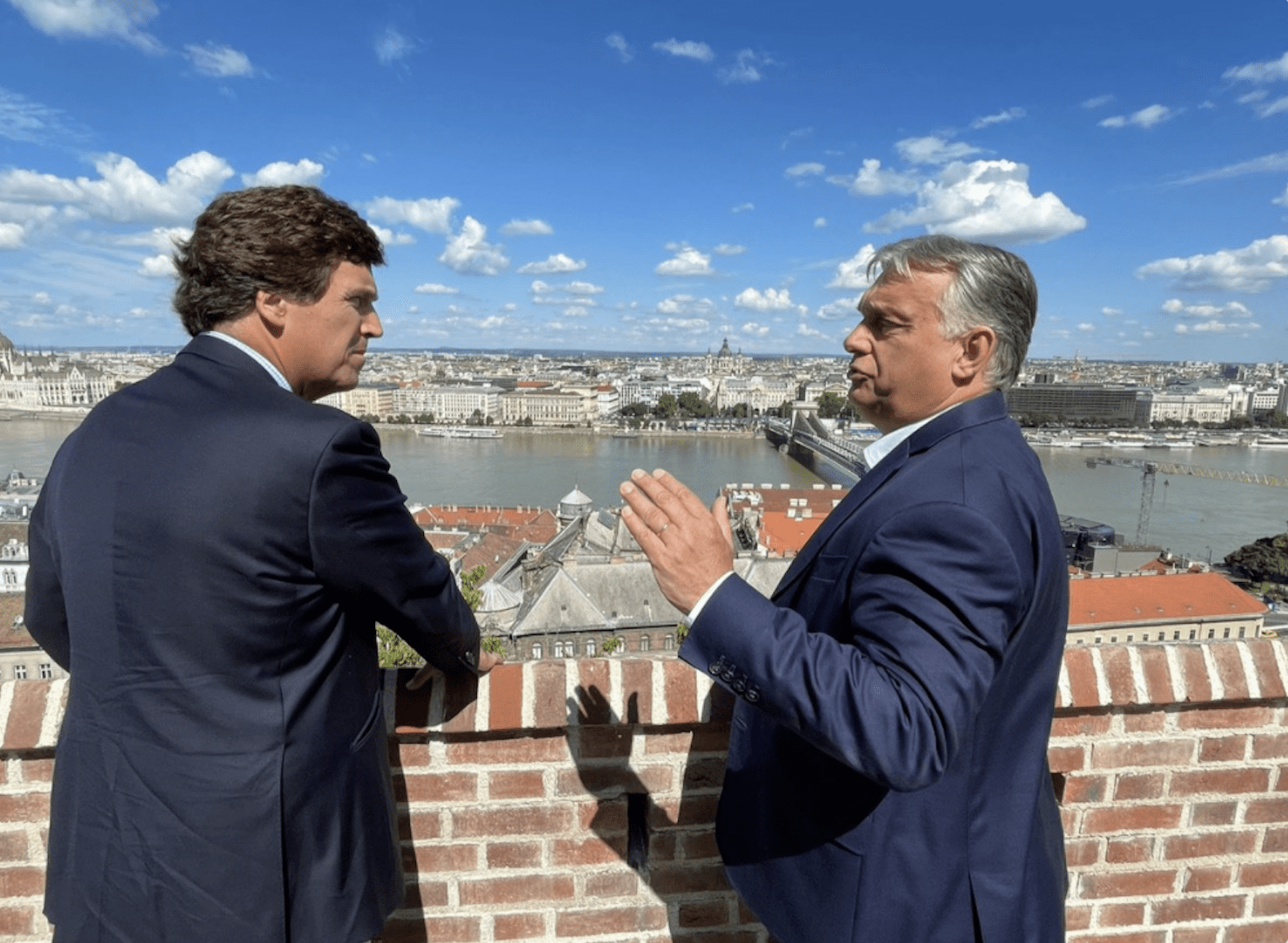
The legacy of 20th century history has left the Right in Central Europe questioning what we are meant to conserve after 40 years of communism. Our task is not so much to preserve traditions, but to reawaken them and to establish new ones. This approach is more reactionary; Central European conservatism is combative, because it has to be.

We conservatives of different persuasions, from the West, the East, and Central Europe, have a common responsibility: to do our best to conserve our political culture, as polished by the ideas of conservatism.
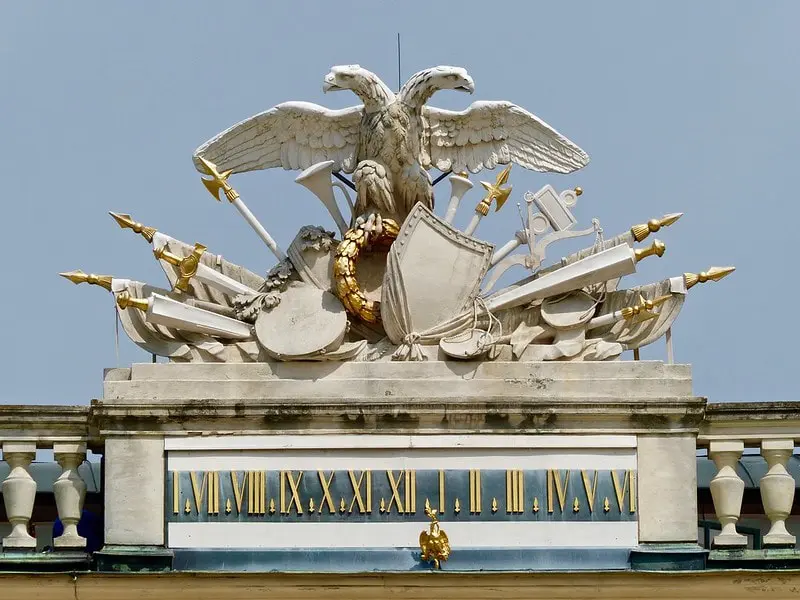
The same experience with Soviet hegemony that has rendered Central European states immune, at some level, to the kind of decadence Western leadership favors, also led them to suspect Russia’s intentions.