

Brussels Promotes ‘Drone Wall’ To Tighten Its Grip on European Defense
Under the banner of security, the European Commission moves toward a military integration that many member states firmly reject.

Under the banner of security, the European Commission moves toward a military integration that many member states firmly reject.

Germany’s integration push, framed as efficiency, masks a deeper cost: growing supranational control at the expense of national economic autonomy.

The proposal would strengthen Brussels’ power over the member states while weakening the Union’s internal plurality.

Brussels’ version of unity always means centralization—and a transfer of responsibility from national governments to unelected bureaucrats.

Although the report details the technical aspects of the April 28 collapse with great precision, it avoids naming those responsible for it.
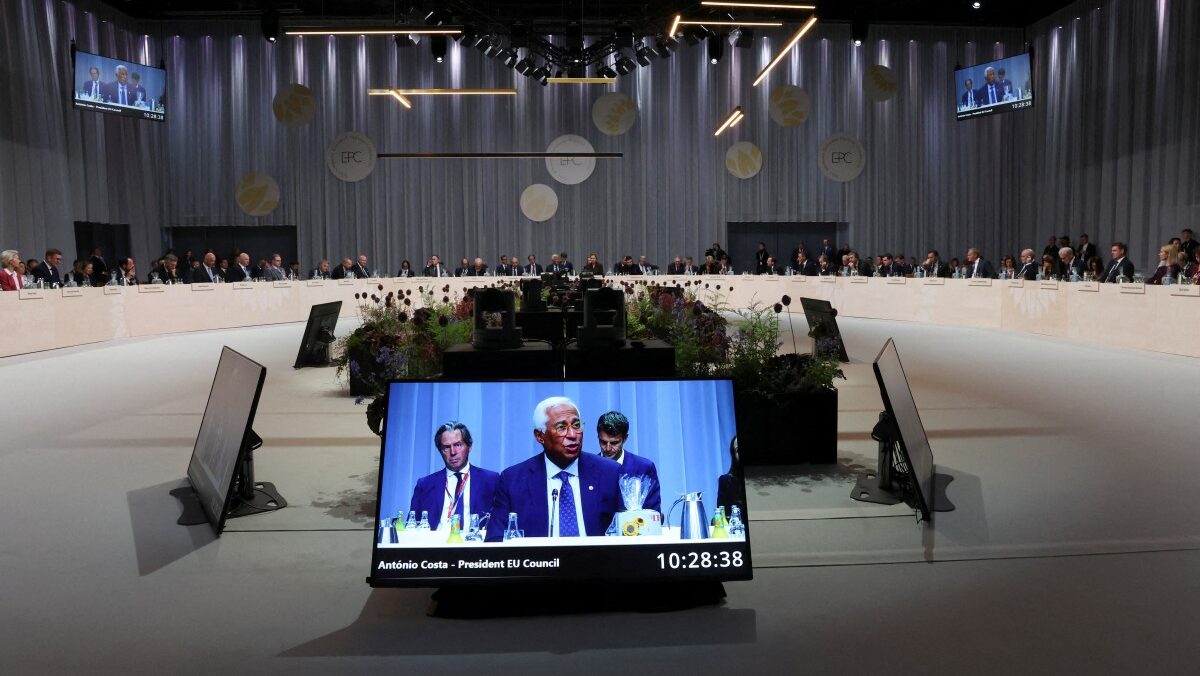
Brussels is choosing to punish rather than listen to those insisting on a different approach.
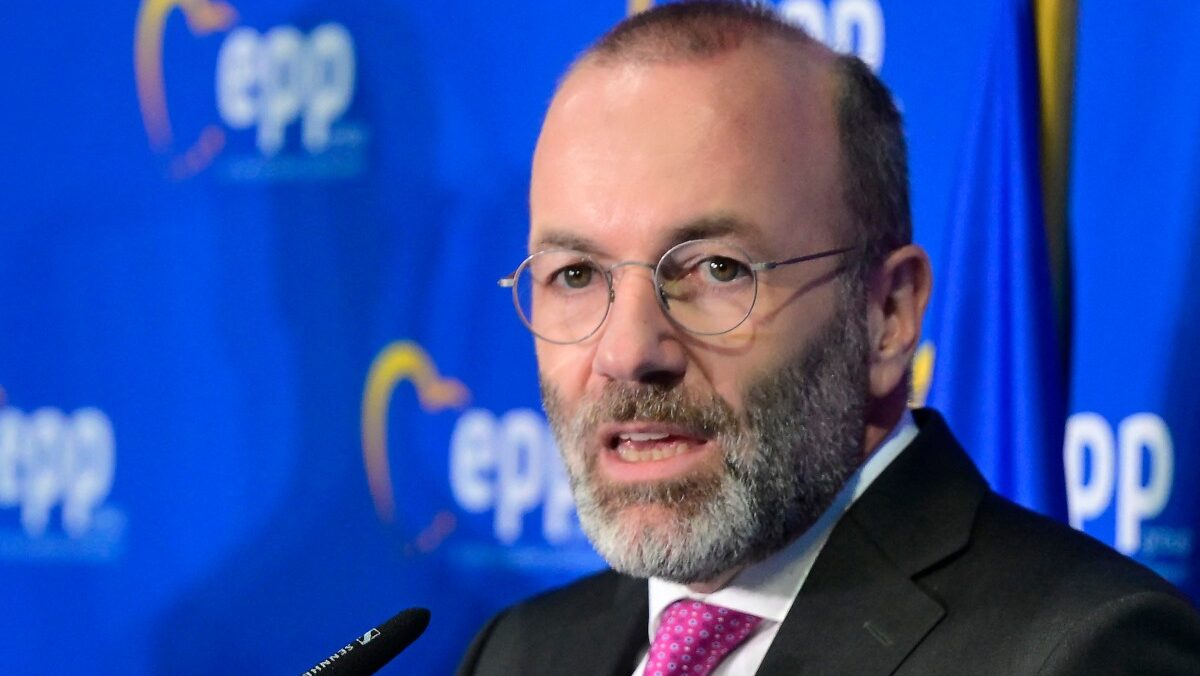
Faced with growing transatlantic tensions and fears of U.S. coercion, the EPP leader renews his push for a centralized EU defense and foreign policy under Brussels’ command.

The presentation of a report assessing two decades of Hungarian membership sparked debate on economic gains and political frictions with Brussels.

Sovereigntist leaders denounced the EU’s centralizing drift and the threat of mass immigration.

The EU Commission’s new budget framework will only finance projects aligned with what it has decided are “EU priorities.”