

Under the Guise of Reform, EU Seeks To Silence Opposition and Centralize Power
A report discussing the 2024 European elections suggests many changes that would curtail national sovereignty and hand it over to the EU institutions.

A report discussing the 2024 European elections suggests many changes that would curtail national sovereignty and hand it over to the EU institutions.

Manfred Weber called for more centralization in Brussels and declared that “only an irreversible EU can survive in today’s world.”
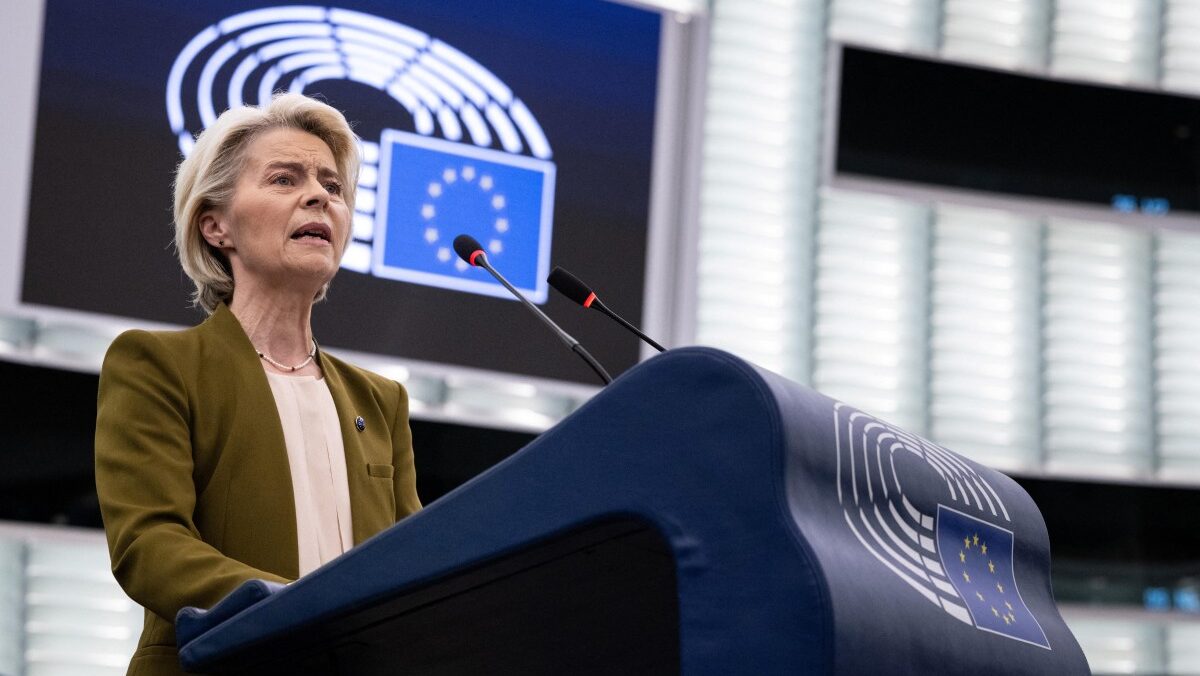
The Commission’s current course increasingly resembles a centralist, homogenizing project disconnected from reality.

The defense of narrowly interpreted “European values” becomes a tool to constrain the sovereignty of member states choosing alternative legislative paths.

The Commission’s strategy to streamline the services sector could mark another step towards a United States of Europe.

Dolors Montserrat knows what’s expected of her: carrying out Weber’s centralizing vision and never questioning his authority.

At the end of the day, parties are accountable to their voters, and not to some supranational structure lacking the very demos it claims to represent.

Not national governments, not even Brussels, but Commission chief von der Leyen alone can and must deliver us all—or at least that is what she thinks.

“Western European nations are ready to give up even more of their sovereignty. In the name of the rule of law, the EU can do anything it likes.”
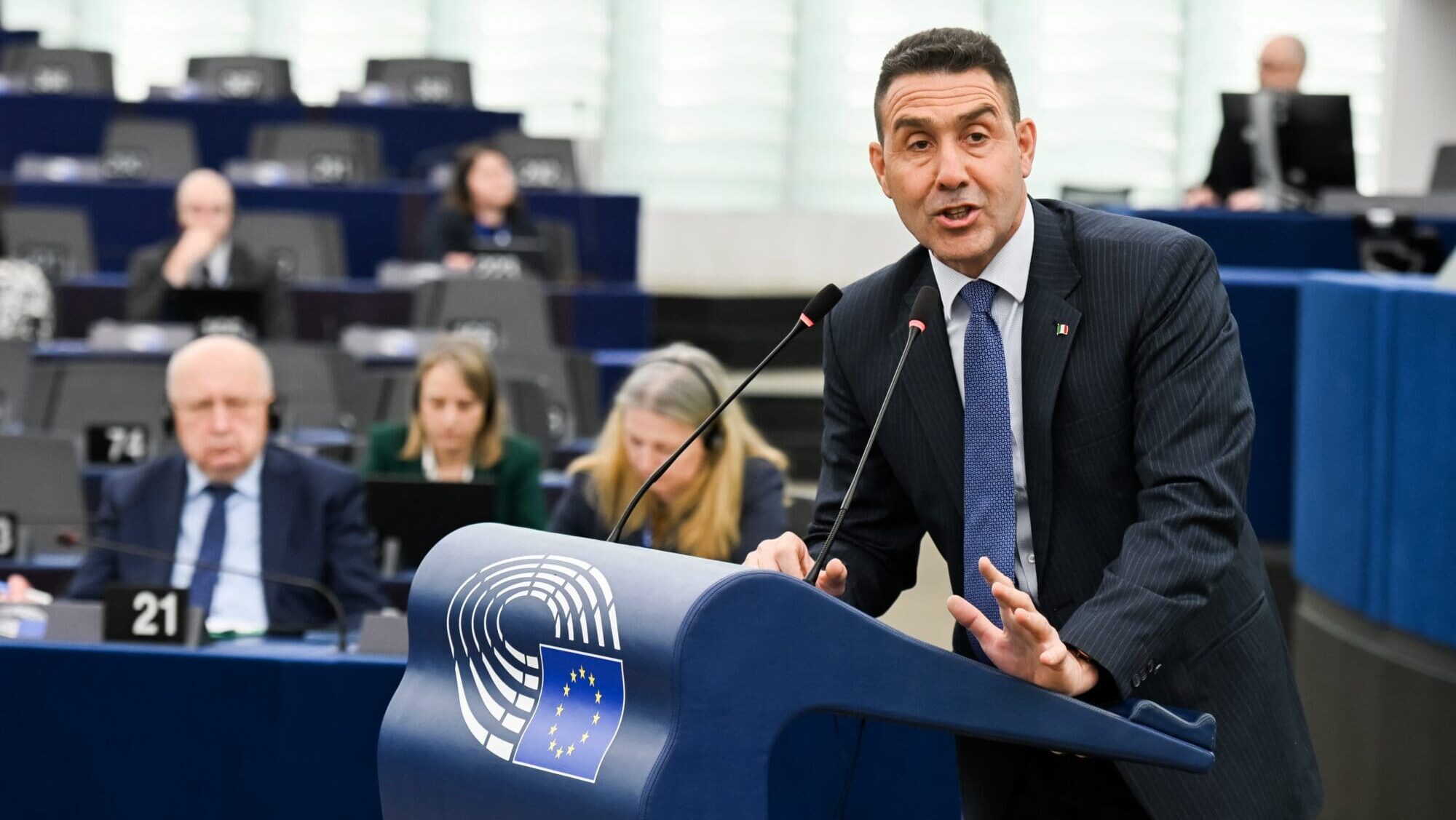
Brussels wants to cut out the only EU institution with directly elected representatives when plotting its €800 billion defense plan.