
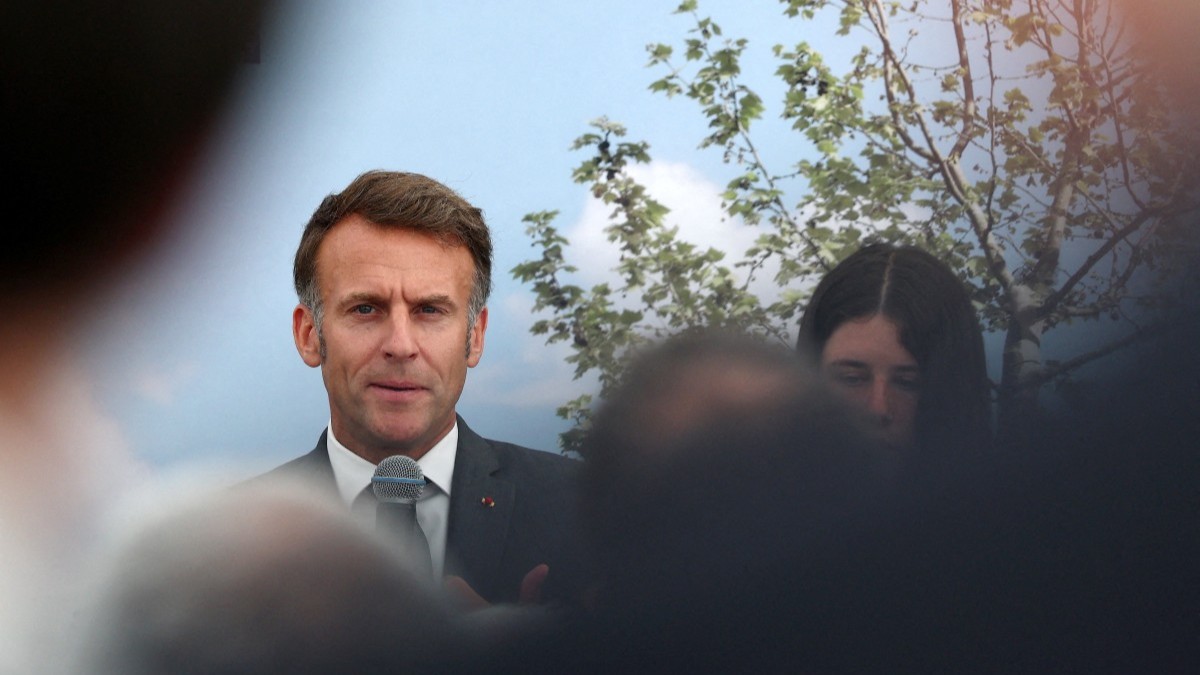
Macron To Run “Global Economic Imbalances” Video Conference
The French president is to host the G-7 and China online—but will anyone listen?

The French president is to host the G-7 and China online—but will anyone listen?
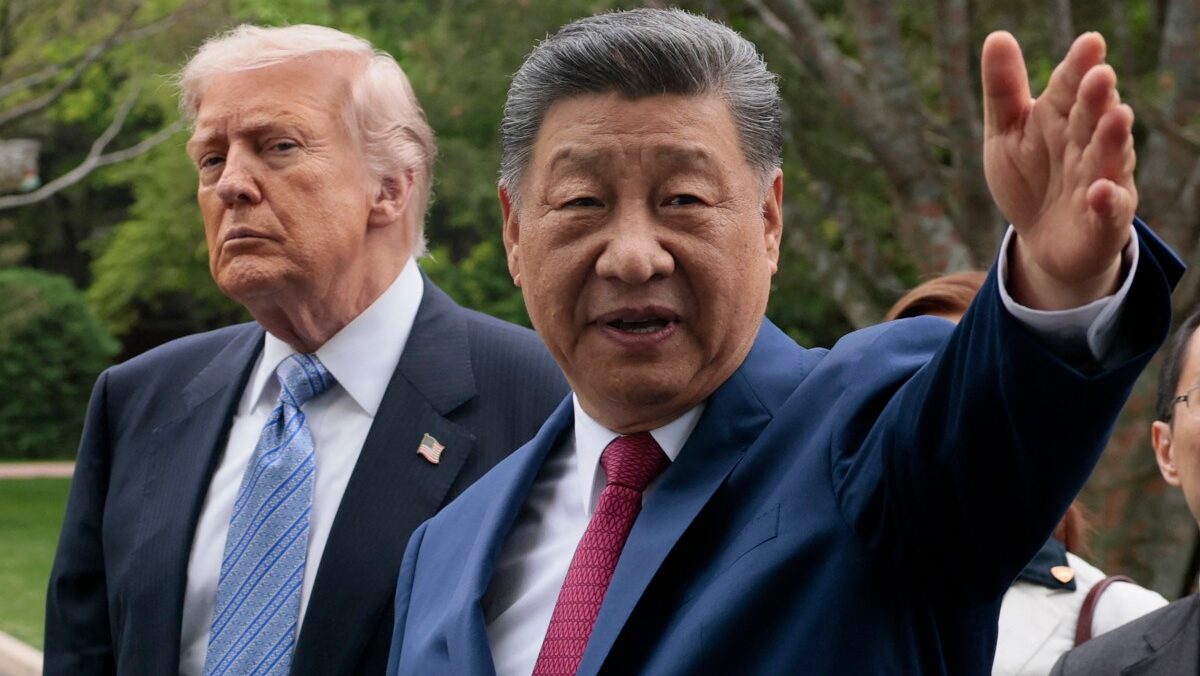
The Vatican’s commitment to multilateral engagement is colliding with the reality of mounting repression against China’s faithful.
A key European Parliament committee has backed requests from Belgian prosecutors investigating alleged Chinese lobbying and influence operations in Brussels.
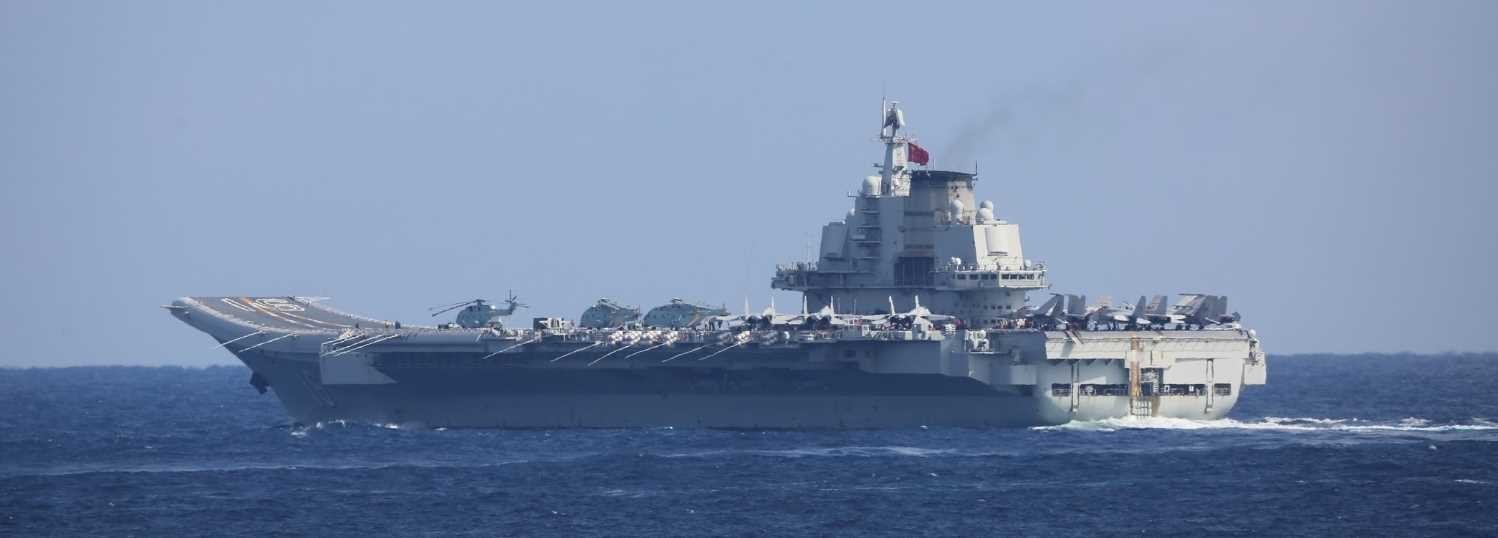
Beijing sent an aircraft carrier and accompanying vessels east of the Philippines, further ramping up regional tensions.
Brussels bureaucrats are holding high-level talks regarding potential new limits on what they see as a flood of cheap Chinese imports affecting key sectors—with Beijing “closely following” the meeting.

Expert report flags up how war in the Persian Gulf is causing Beijing logistical headaches.

Paris is urging Brussels to take tougher action against cheap Chinese goods as fears grow over Europe’s dependence on foreign imports.
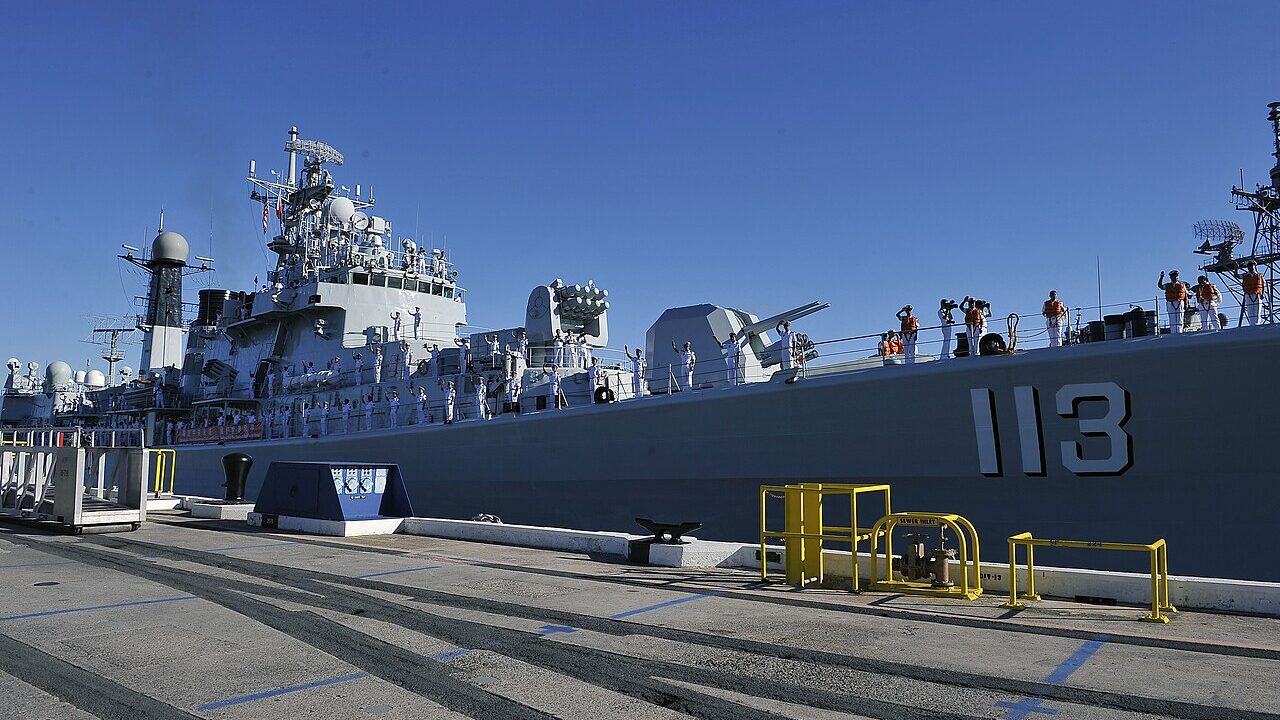
Taipei has accused Beijing of threatening regional stability after a sharp rise in Chinese naval activity stretching from the Yellow Sea to the western Pacific

Two suspects are accused of posing as interpreters and automotive workers, before luring top scientists to China where aerospace and AI research was shared with state-owned arms manufacturers—albeit unwittingly.
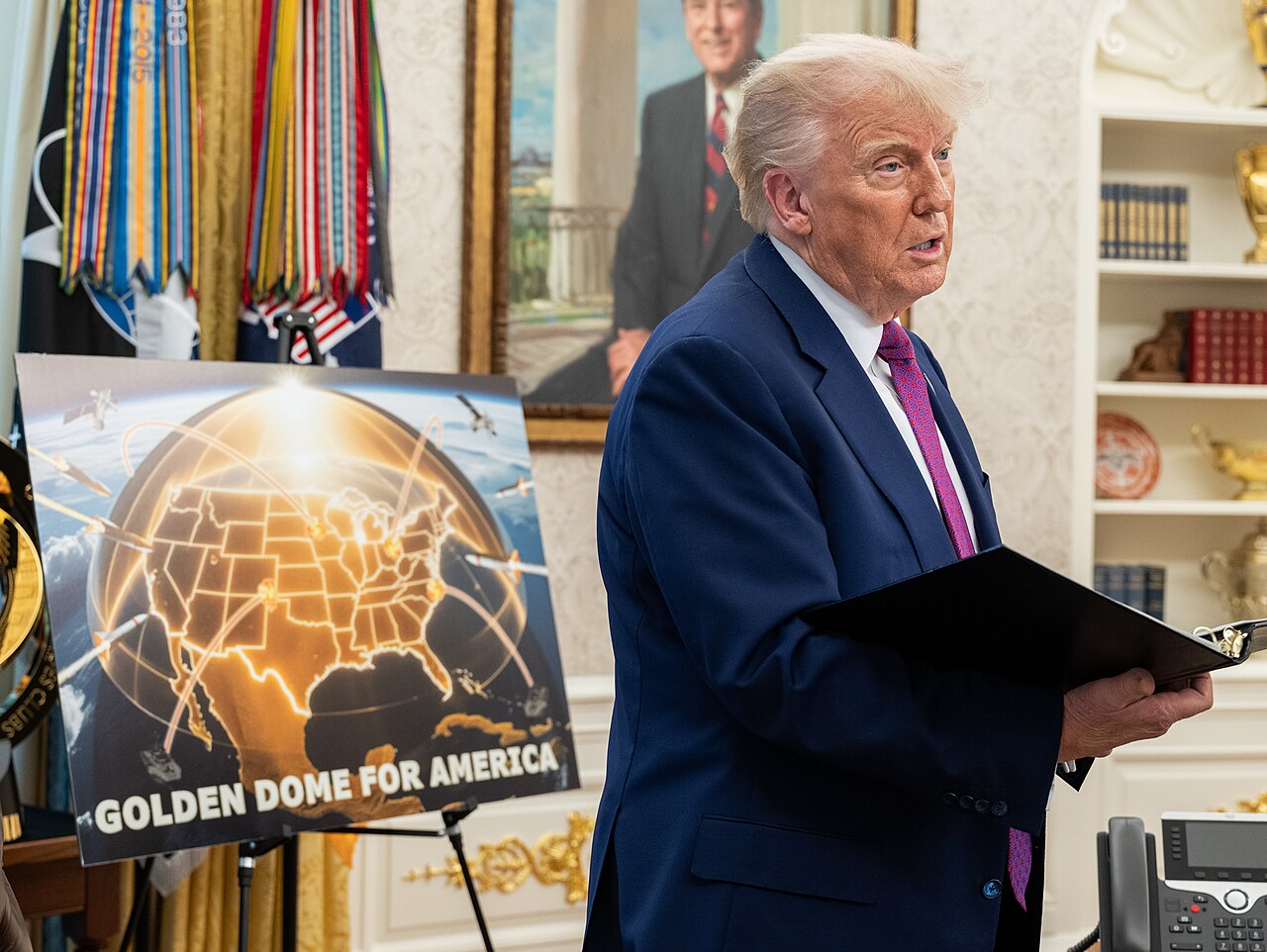
Russia and China have criticized the United States for allowing the New START nuclear treaty to expire, warning that Washington’s proposed Golden Dome space-based defense system endangers international peace.