
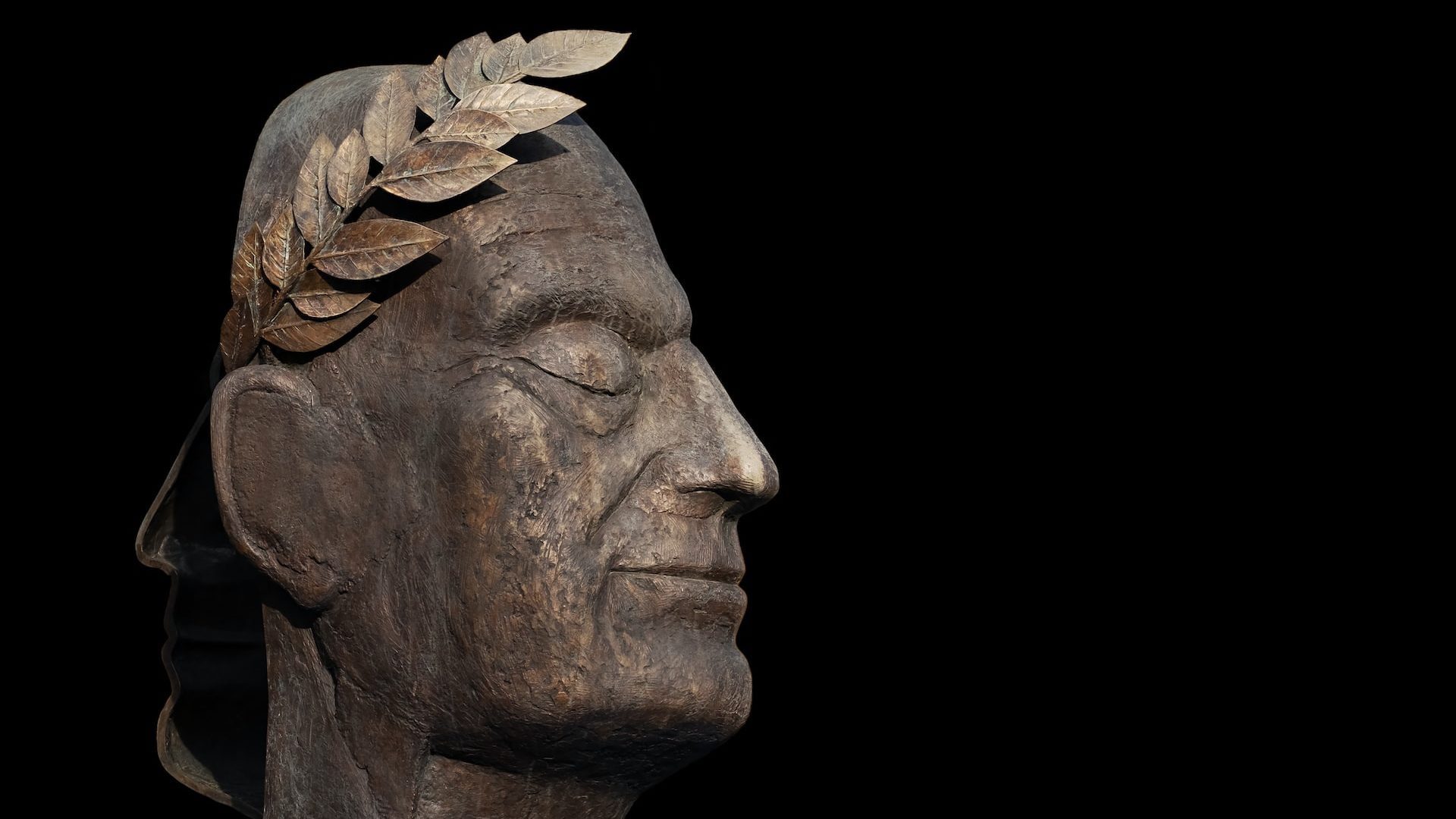
Shakespeare’s Julius Caesar:
Part I, Imperator
The first in a three-part series exploring Shakespeare’s engagement with pagan/Roman morality in Julius Caesar, this essay focuses on the character of Caesar himself.

The first in a three-part series exploring Shakespeare’s engagement with pagan/Roman morality in Julius Caesar, this essay focuses on the character of Caesar himself.

Perhaps due to their overwhelmingly Catholic background, our new neighbors grasped our communal lifestyle much quicker than the New Yorkers I was used to. All I had to say was, “We’re like an order, but built around families; and free church, not Catholic,” and they got it, with no suspicious glances or muttering about weird religious folk.

The Swedish government is aiming to put a blanket ban in place where there will be no new schools of any faith. This restriction is reminiscent of the educational oppression that Christians face in Cuba, Libya, North Korea, and Saudi Arabia.
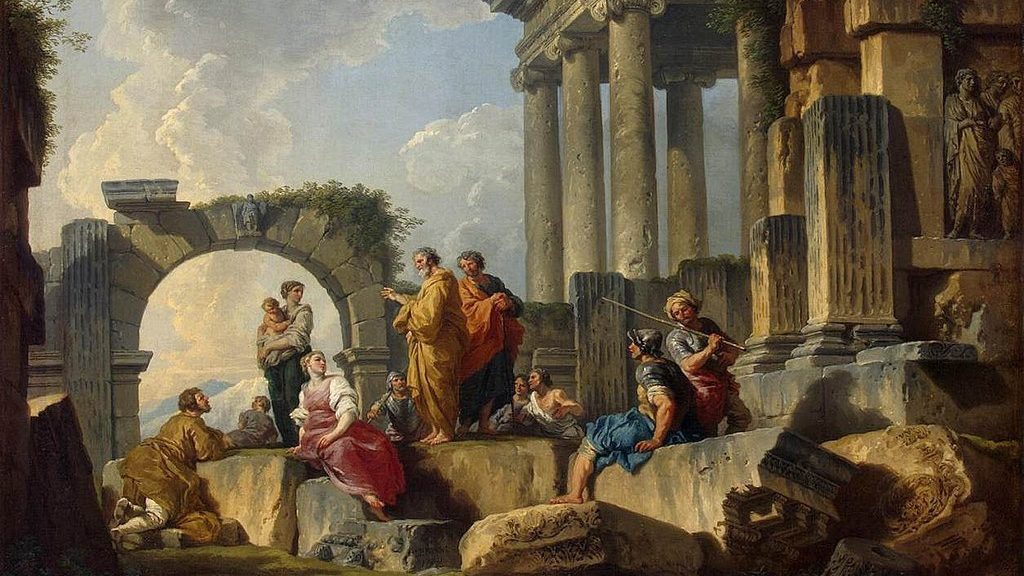
Undeterred by his trials and compelled by curiosity, the Apostle Paul wears no mask; he mutes and stifles no truth that might advance the Gospel—no matter the cost.

Lewis wants his readers to re-examine our presumptions about everything from modern education and science to ‘the West’ and contraception. Recognizing this can help us understand why the novel has so divided readers.
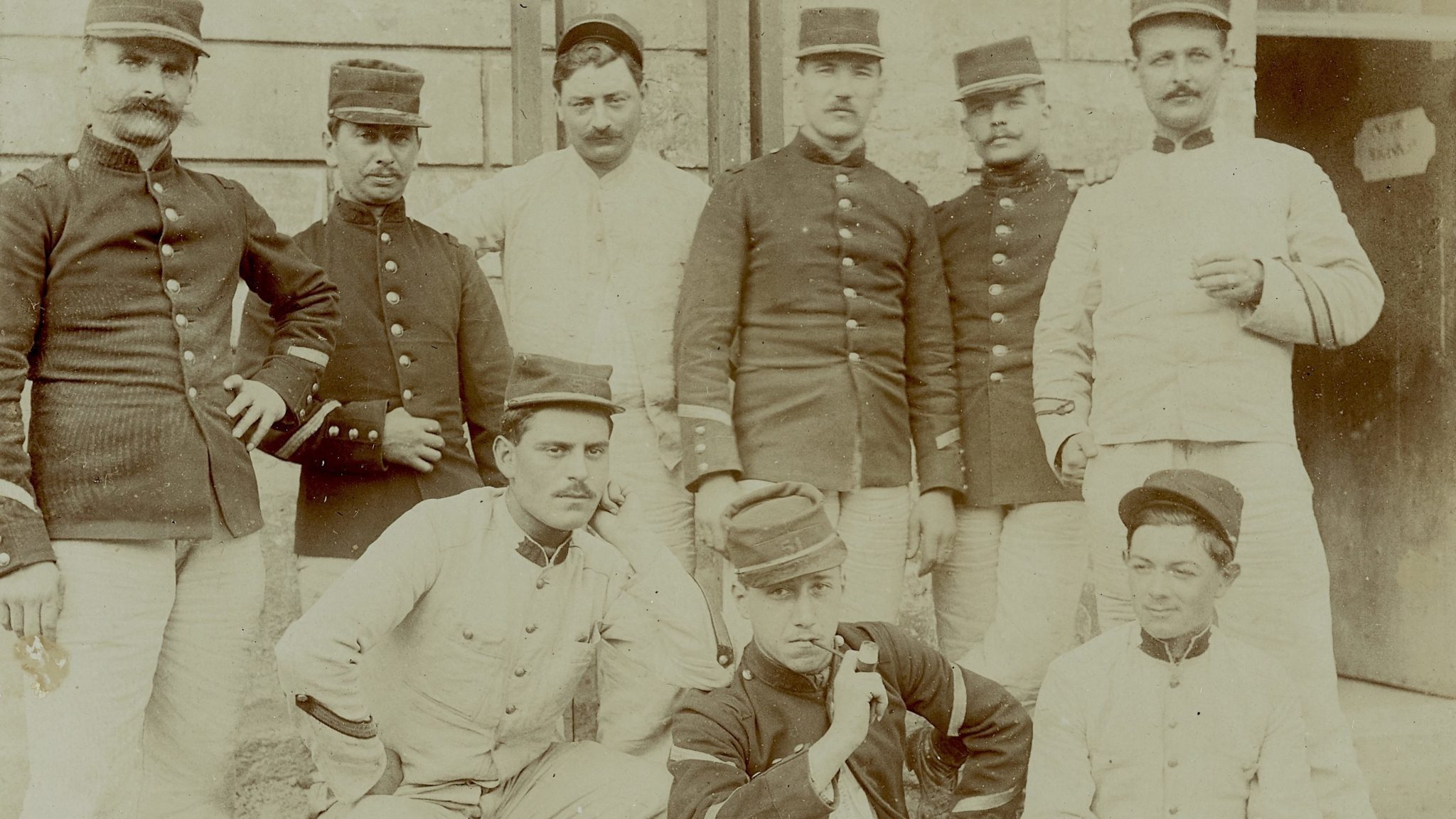
One figure worthy of rediscovery, especially for those of a conservative or religious inclination, is the French soldier and writer Ernest Psichari who converted during his time as a soldier between 1909 and 1912, in what is today Mauritania.

Whereas much science fiction simply sidesteps the theological questions a Christian would raise on discovering rational life on other planets, C.S. Lewis asks us to wrestle with them.
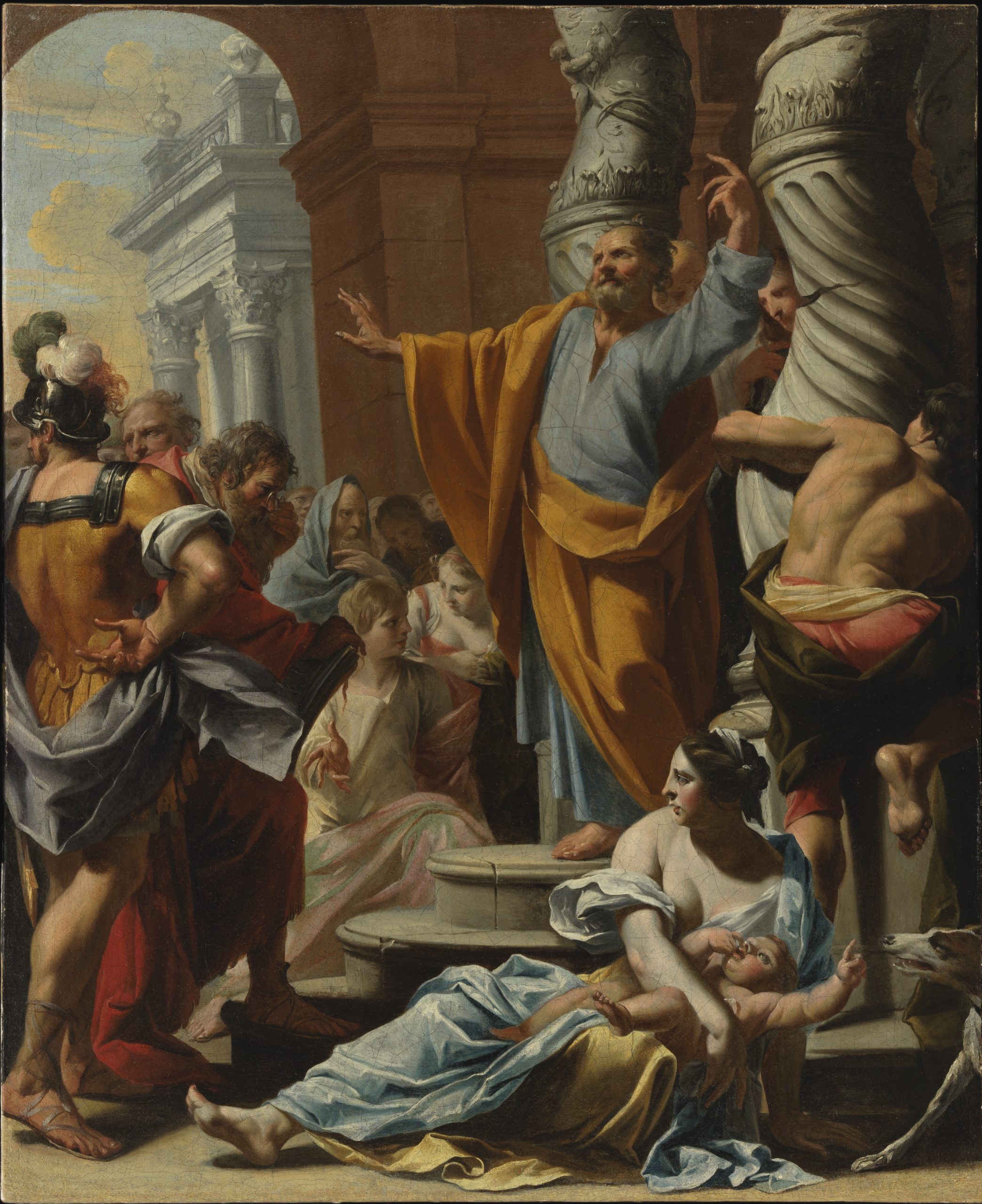
Whether it is the threat of being canceled or anxious concerns that we’ll lose out in the meritocratic race for success, we’re more and more enslaved and less and less free. We’ve lost sight of the true sources of freedom, which come not from permission but from commitment.

Rather than adopting the report’s original draft, which underscored the extent of anti-Christian persecution across the globe, the leftist-dominated EP adopted a draft which excised nearly all references to Christianity, characterized religion as a threat to free society, and claimed it’s a primary “driver of conflict worldwide.”
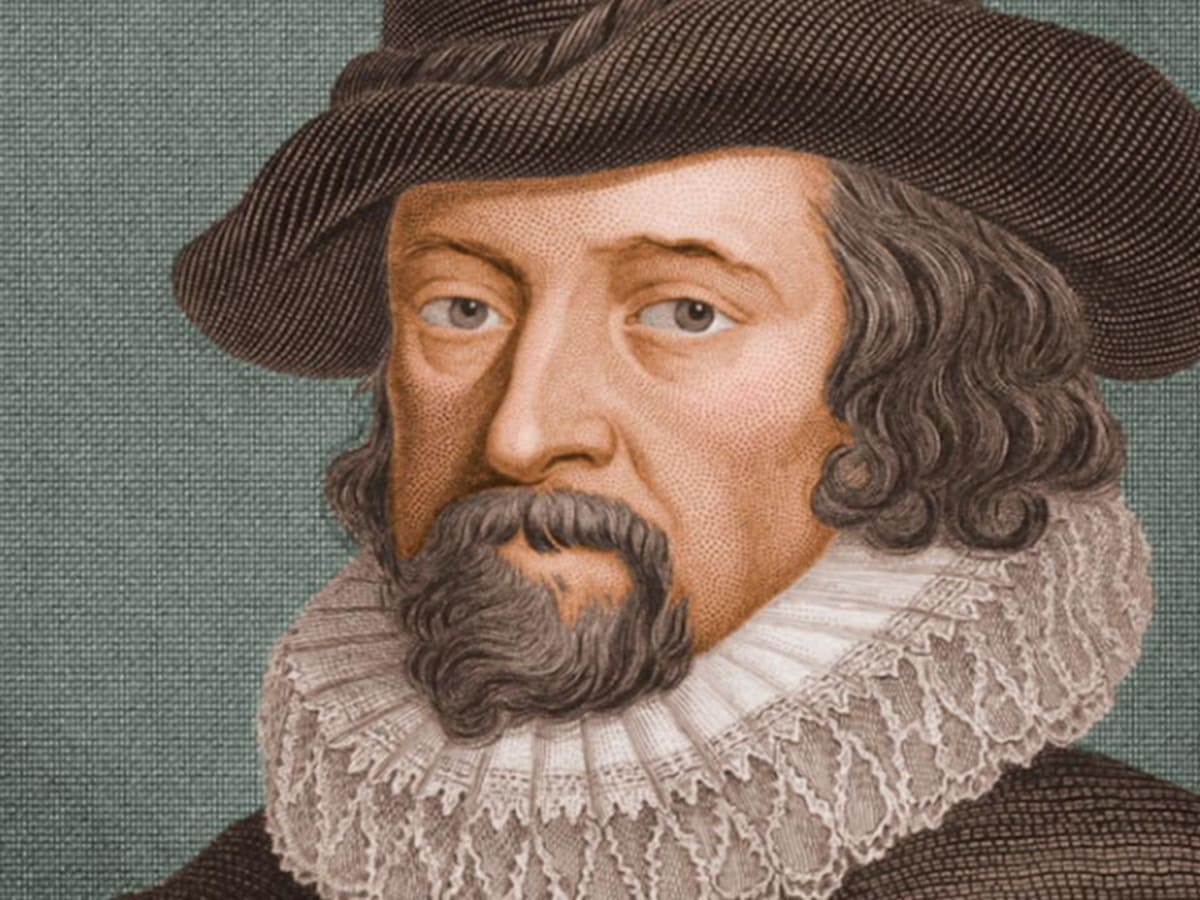
Francis Bacon was the talisman of Renaissance science, producing an inductive philosophy which he advanced with all the zeal of a religious convert. But as far as he was concerned, promoting such methods required no actual conversion from the Christian beliefs which prevailed in his day.