

Vivaldi & Others: Antonia Padoani Bembo—Composer and Singer between Venice and Paris
Antonia Padoani Bembo’s compositions sometimes sound thoroughly French, at other times purely Italian.

Antonia Padoani Bembo’s compositions sometimes sound thoroughly French, at other times purely Italian.
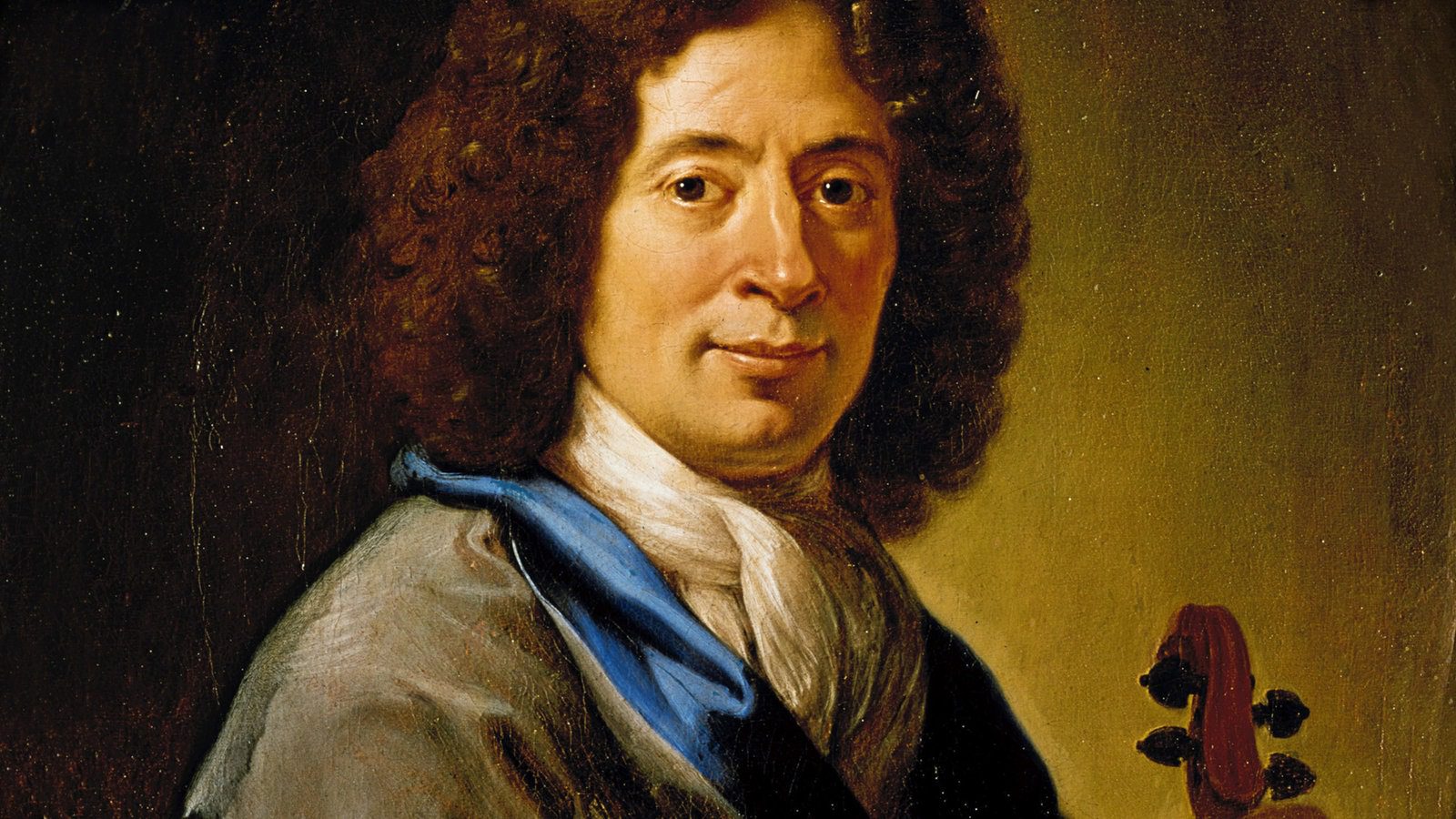
If someone in the audience kept talking after Corelli had already started playing, he would immediately lower his violin until the room had become completely silent. If the talking continued, he would refuse to play at all.

Domenico’s last work is a bittersweet farewell to earthly life and perhaps a reconciliation with his demanding father, Alessandro, who would surely have smiled approvingly.
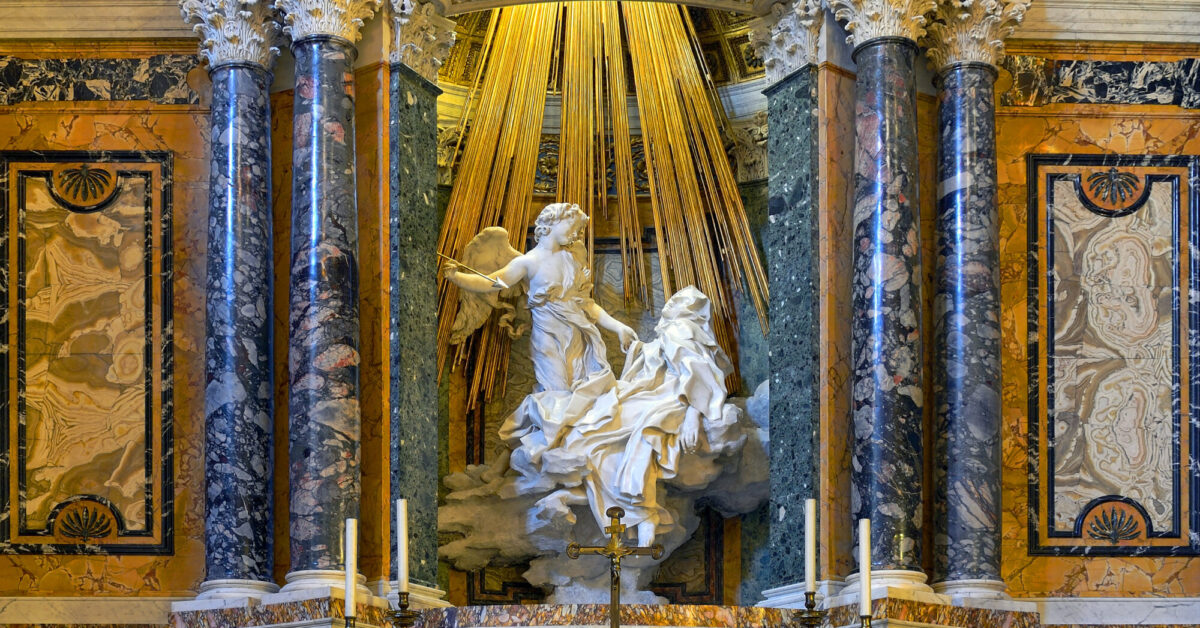
Steffani’s Stabat mater is the resounding counterpart to Bernini’s overwhelming “L’Estasi di Santa Teresa d’Avila,” even though that sculpture was created almost 80 years earlier.
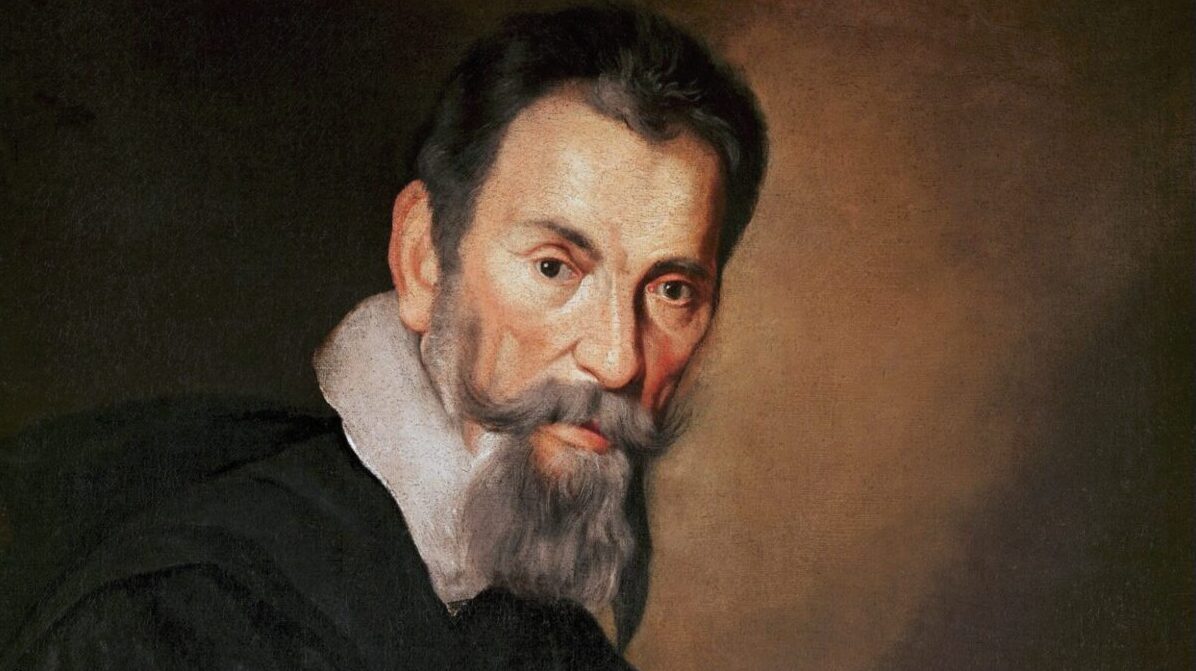
The message Monteverdi wants to deliver is clear: “I master all techniques and styles, from the most learned ‘stile antico’ to the most modern styles.” Not surprisingly, a contemporary described him as “the greatest composer in Italy.” As far as I am concerned, he could have added: “of all time.”
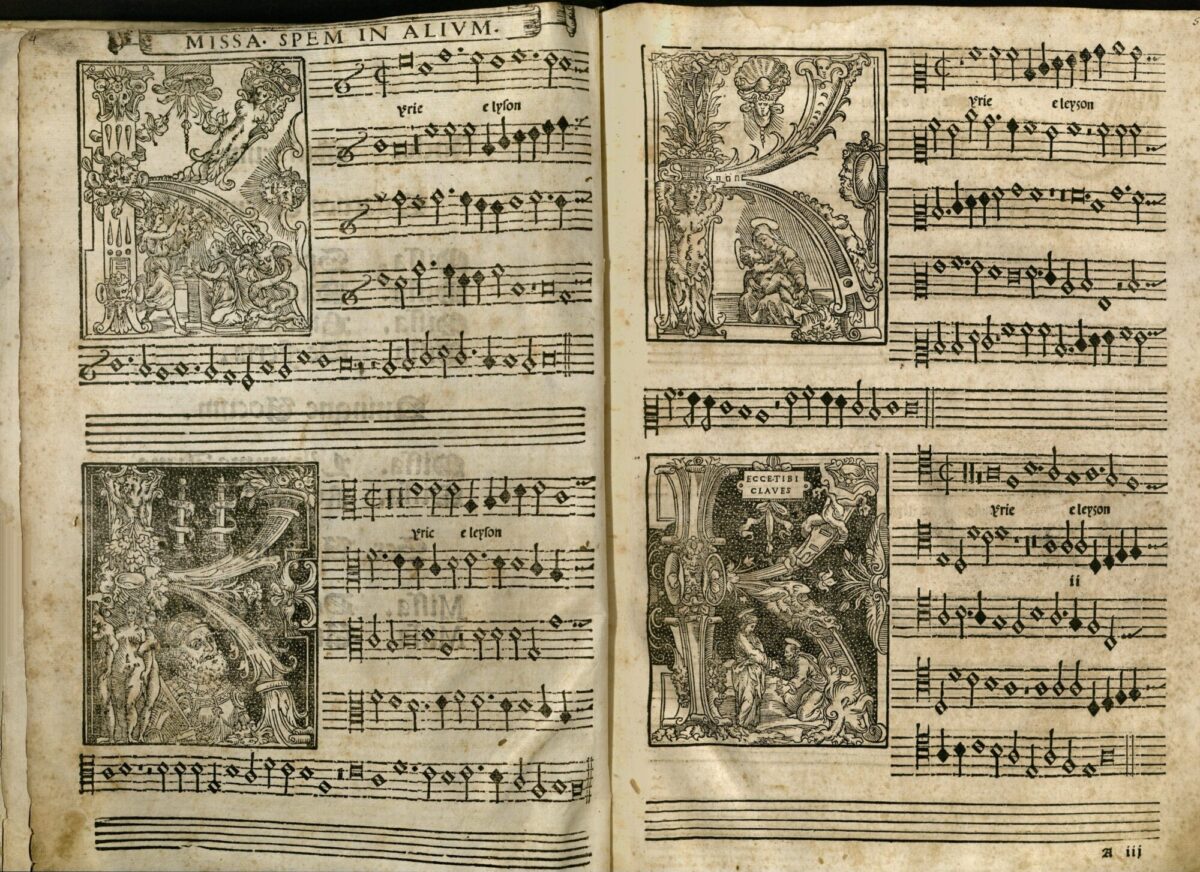
By writing about my favorite Italian composers, placing the greatest Italian masterpieces in their historical context and listing the finest performances known to me, I hope to pass on the best of myself as a music scholar and concert organizer.

Within the classical realm, the range and virtuosity of composition demands an equal measure of interpretation. Hannah Eisendle’s performance illustrated this with a spirited and novel direction.

The 80-year-old conductor regretted that his health had “deteriorated significantly,” and that he could “no longer deliver the performance which is rightly demanded of a General Music Director.”
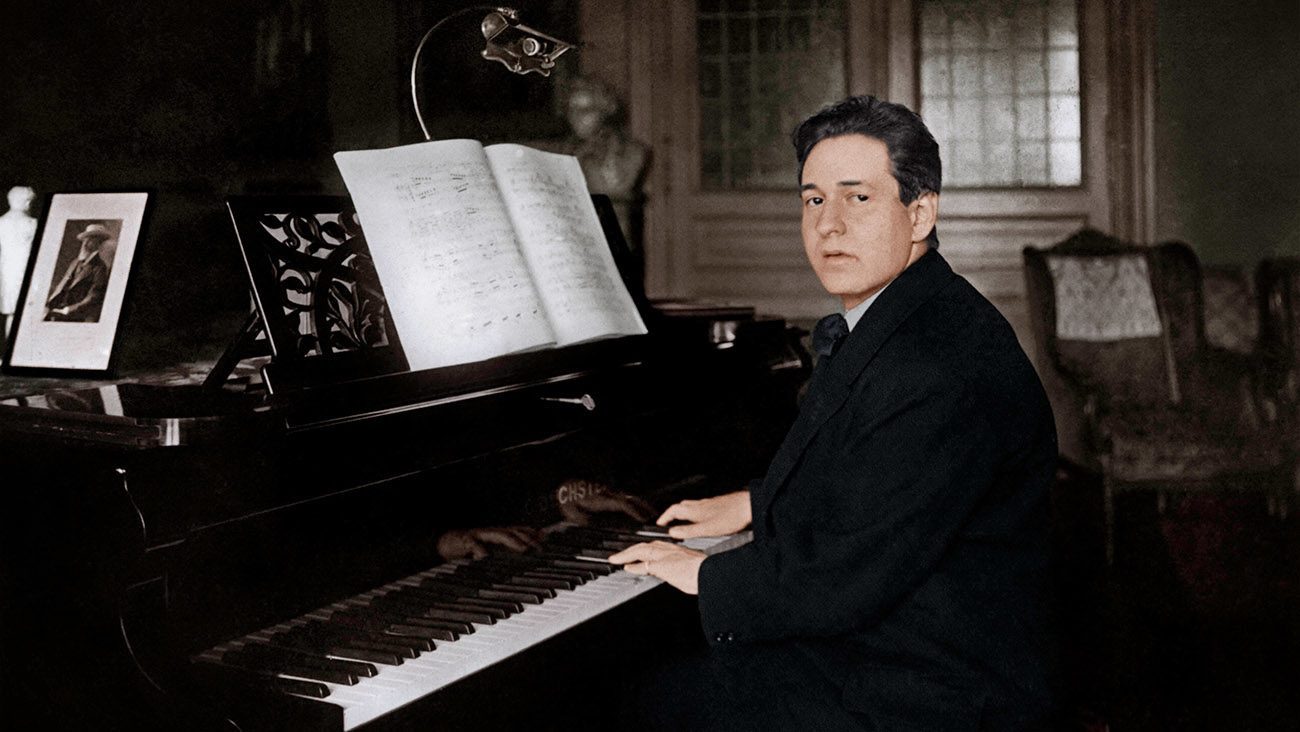
It is hard to imagine a more complex piece than Korngold’s Violin Concerto. It stands on the cusp of classical music’s transformation from an art form confined to the concert hall, into a multimedia concept.
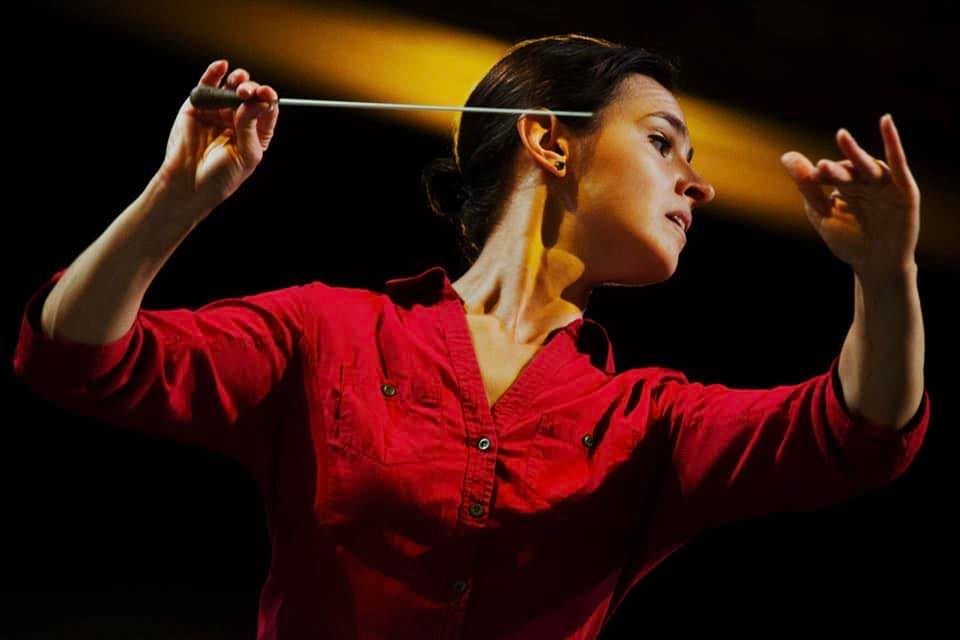
After being pressured by the Ukrainian Ministry of Culture and receiving anonymous threats, Ukrainian conductor Oksana Lyniv had to cancel a performance of a work of Tchaikovsky in Germany.