The Columbus Statue at the White House Is Far More Than a Piece of Marble
The statue is a daily reminder that we are in the midst of a reconquest—in the United States, and, of course, in Europe.

The statue is a daily reminder that we are in the midst of a reconquest—in the United States, and, of course, in Europe.

“The Iberian world was, in many respects, radically innovative for its time:
it created laws to protect Indigenous peoples when other empires did not even recognize their humanity.”

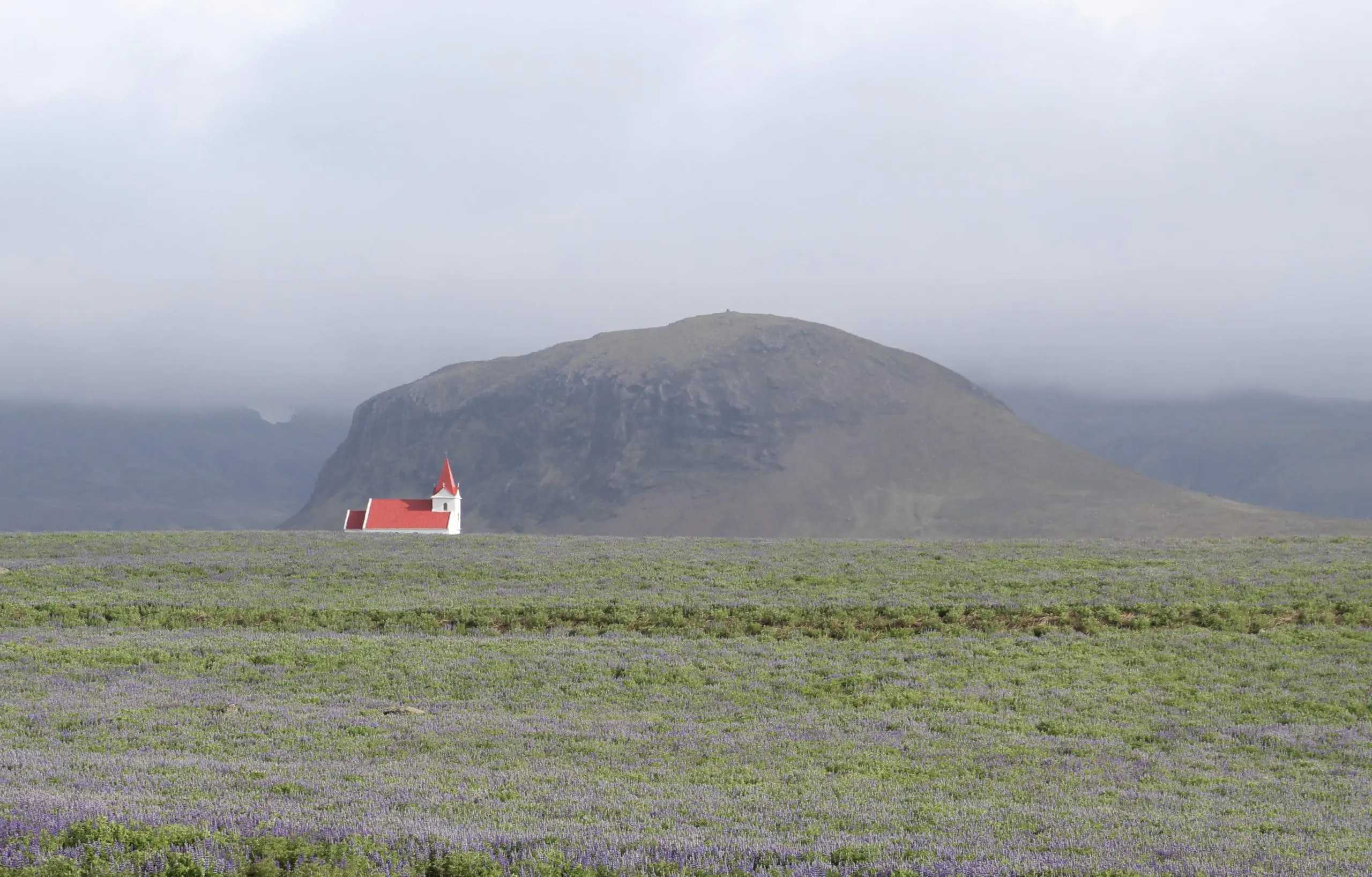
It is a well-known oral tradition around the Olafsvik-Rif-Hellissandur maritime region that Columbus visited Iceland and stayed at the farm at Ingjaldsholl during the winter of 1477 to 1478, likely arriving sometime in the early autumn and leaving in late spring.

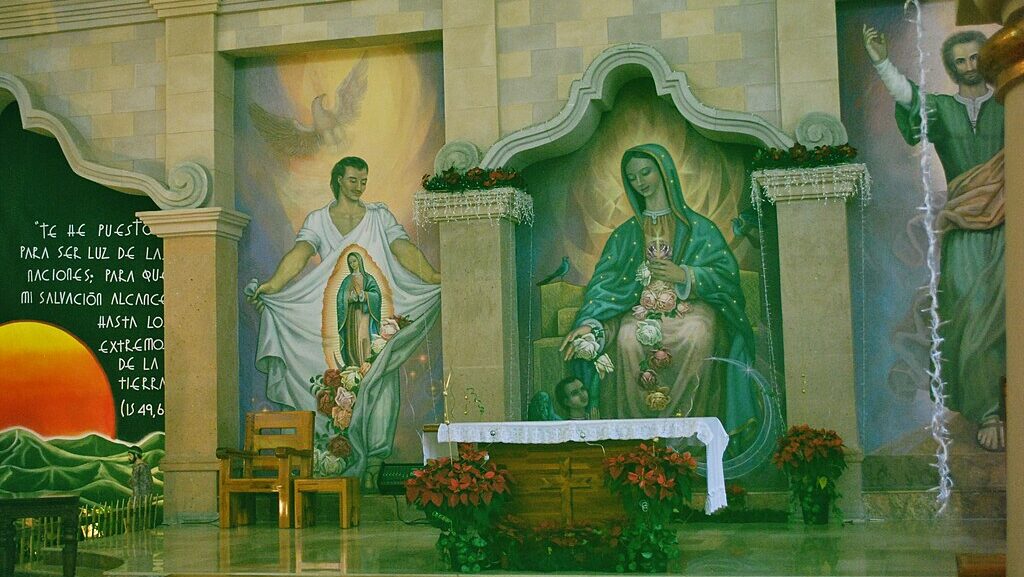
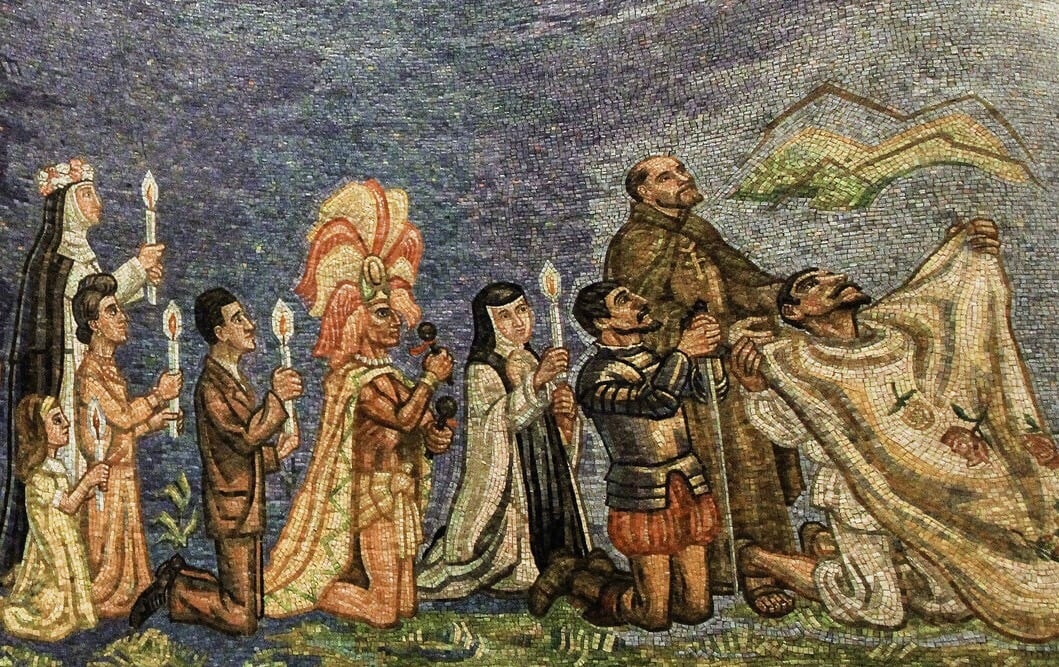
One December 9th while walking near the foot of Tepeyac hill, Juan Diego was visited by a young woman who revealed that she was the Virgin Mary. After healing his uncle from what had seemed like a fatal illness, the Virgin bid the future saint to climb a hill and collect the flowers that were blooming there despite the Mexican winter. These were strange flowers, for they were European, but had apparently found fertile ground on American soil.


October once more brought us that festival called in the United States Columbus Day, in much of Latin America the Dia de la Raza, and