
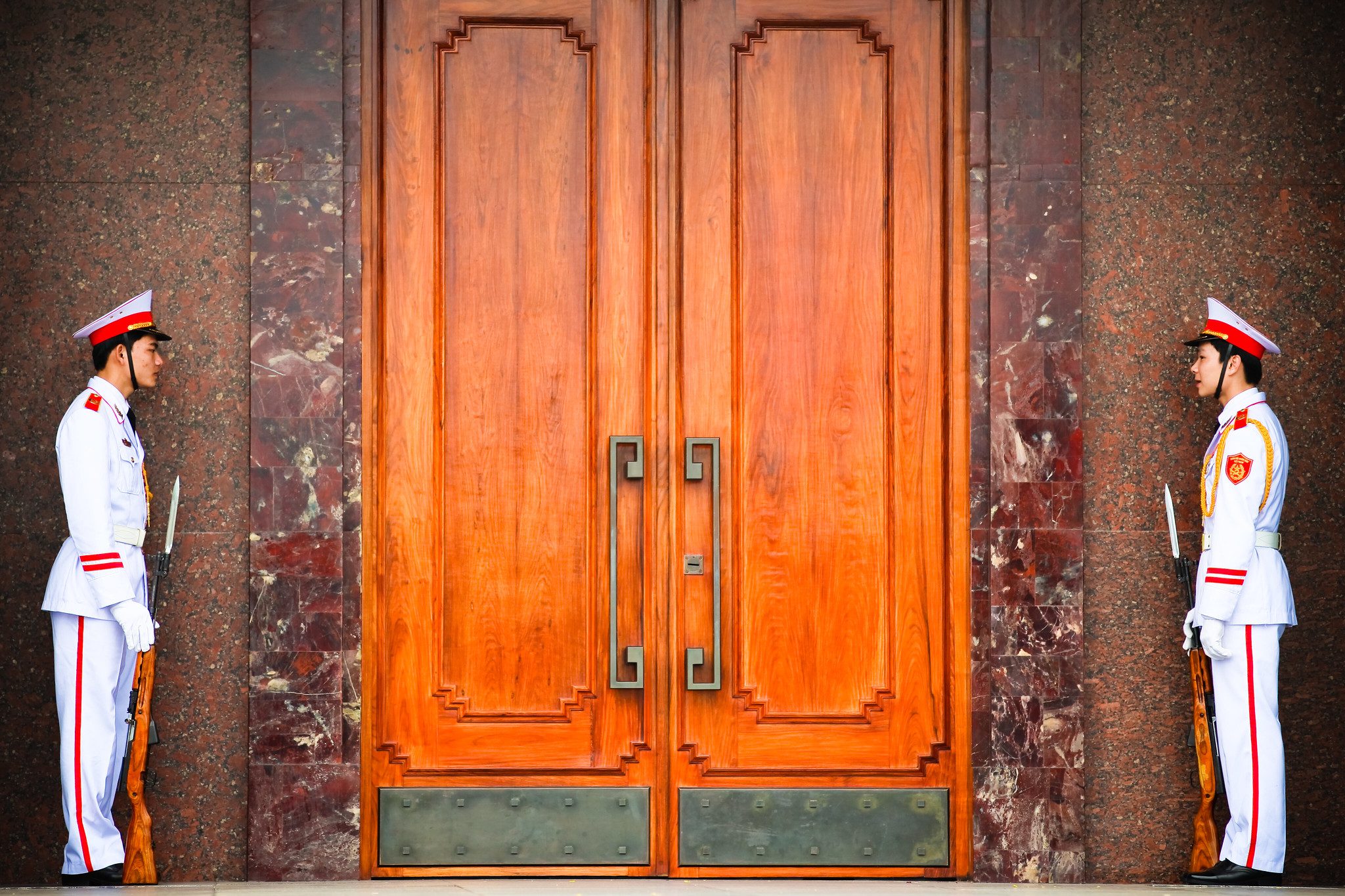
Communist Necrocracies
It is an irony that the regimes of godless Communists and imperial thugs must preserve the corpses of their revolutionary leaders, made incorruptible by enormous amounts of money, for their subjects to worship.

It is an irony that the regimes of godless Communists and imperial thugs must preserve the corpses of their revolutionary leaders, made incorruptible by enormous amounts of money, for their subjects to worship.
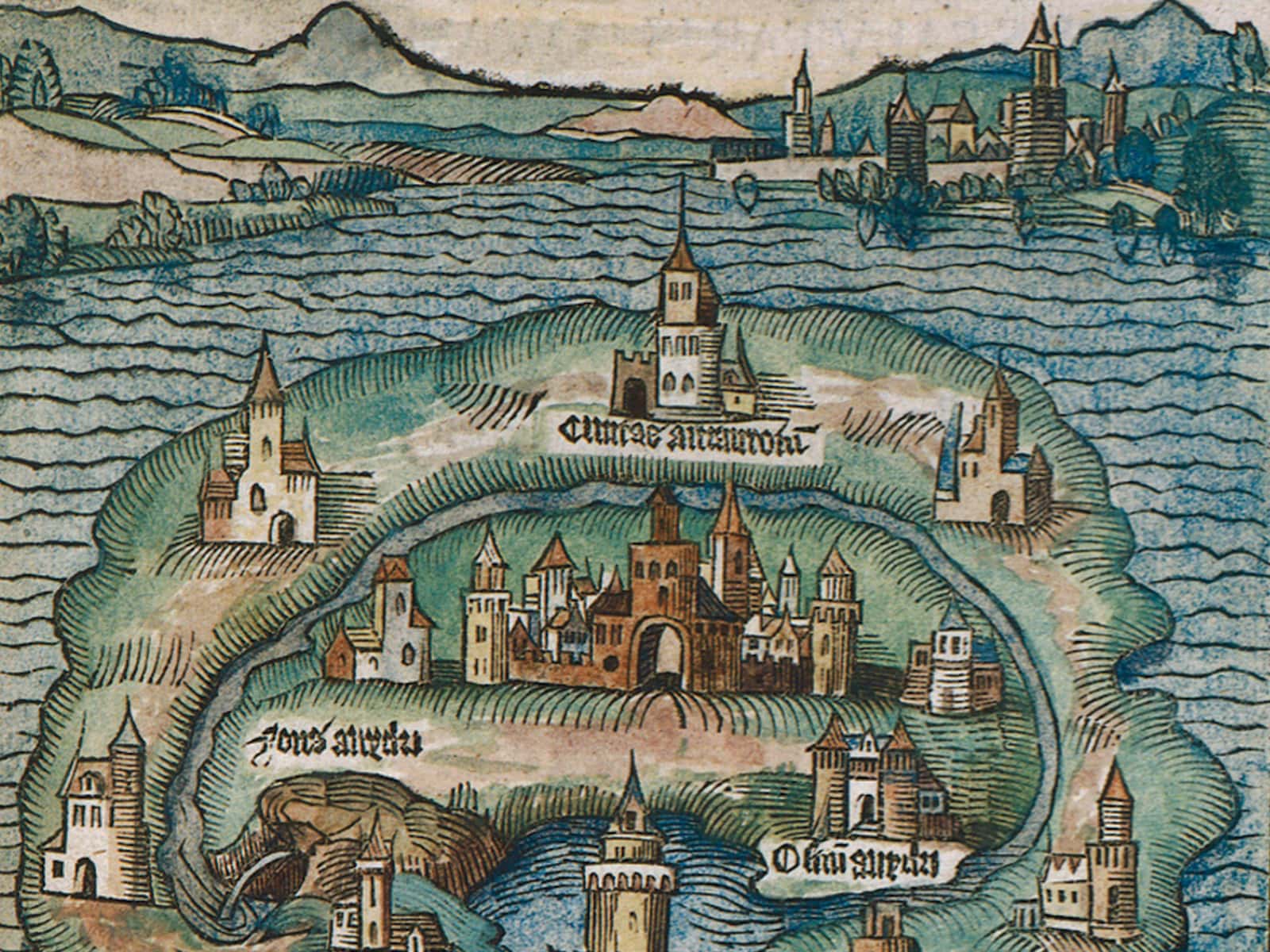
Conservatives, of course, are aware of the urgent need to reduce the bureaucratic machine to a minimum. But in the quest to devolve governance to the local level, we must not forget the existential dignity of the penniless castaways generated by the oligarchic system.
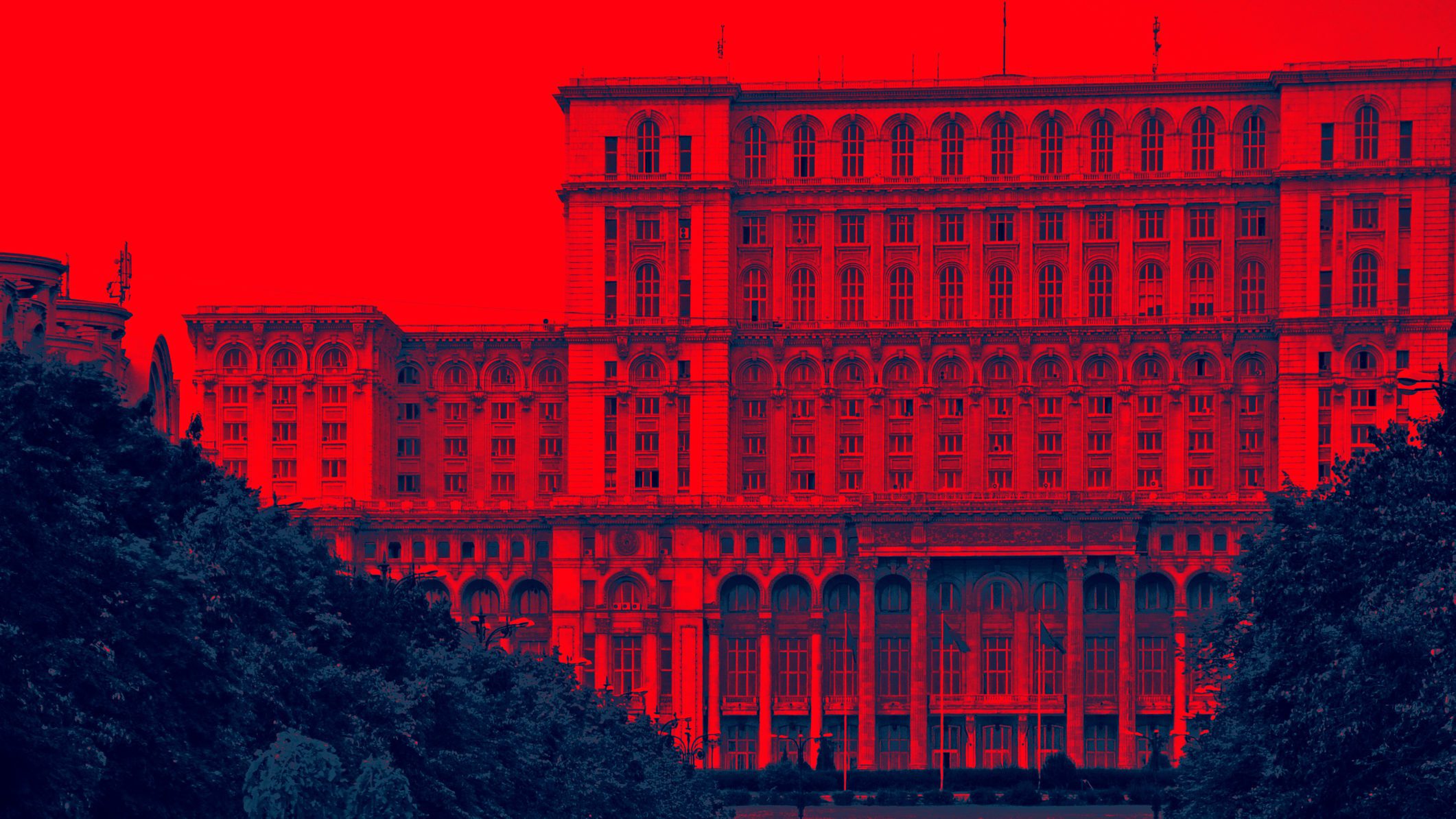
The communist revolution of today is far more difficult to fight than that during the 20th century. Perhaps the first thing that needs to be done to bolster our fight is admit that what we are facing is essentially a revolution aimed at moving the world towards communism.
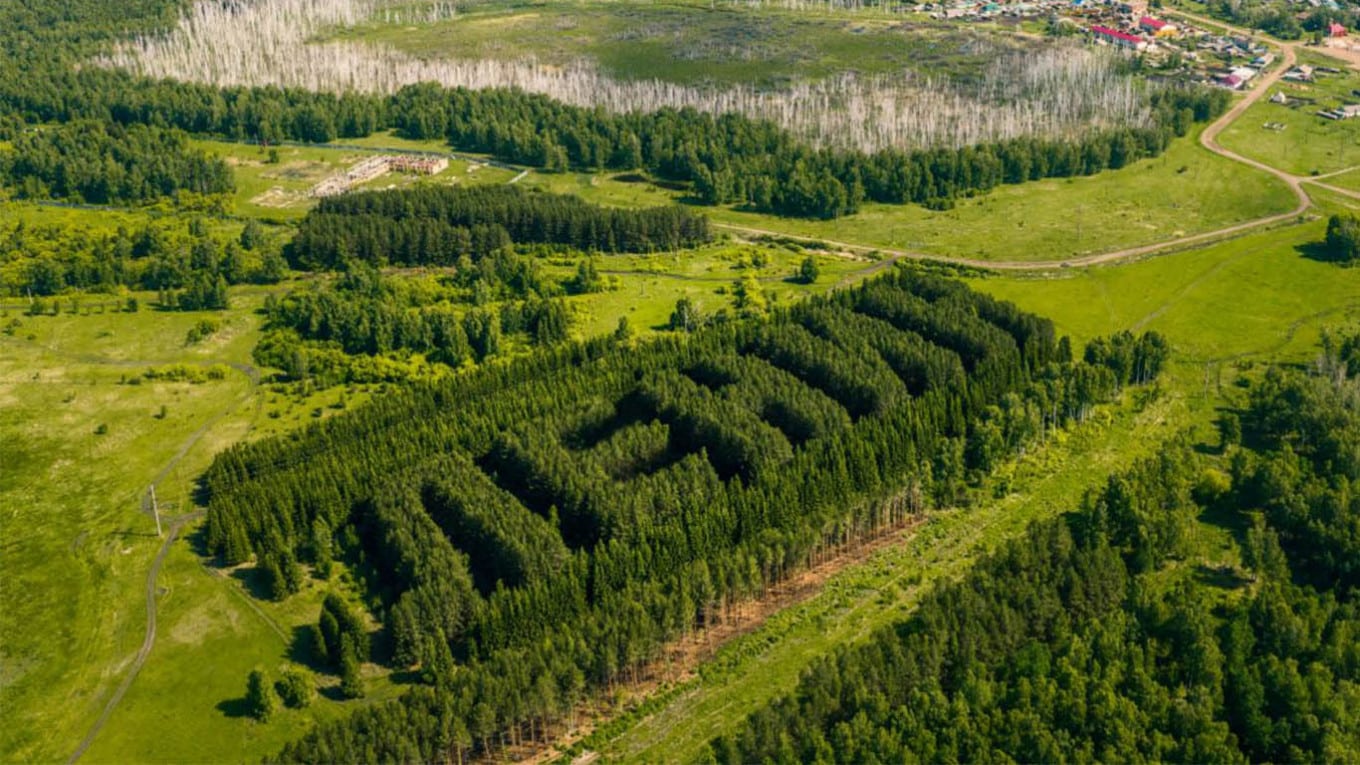
To suggest that the scientific community can reach irrefutable consensus on anything but basic conceptual and axiomatic structures of a scientific discipline is to dismiss the most sacred process of the scholarly endeavor itself: the peer review process. Nothing guarantees the integrity of scientific progress like the free practice of scholarly thought.

The CCP is little more than an international crime syndicate with political affectations. Knowing what is going on in China is dependent on sifting through their official lies, deflections, and ‘dezinformatsiya.’ The fact is, we just don’t know what unleashed monster they’re running from in Xi’an. All we know is that the CCP is lying about it.
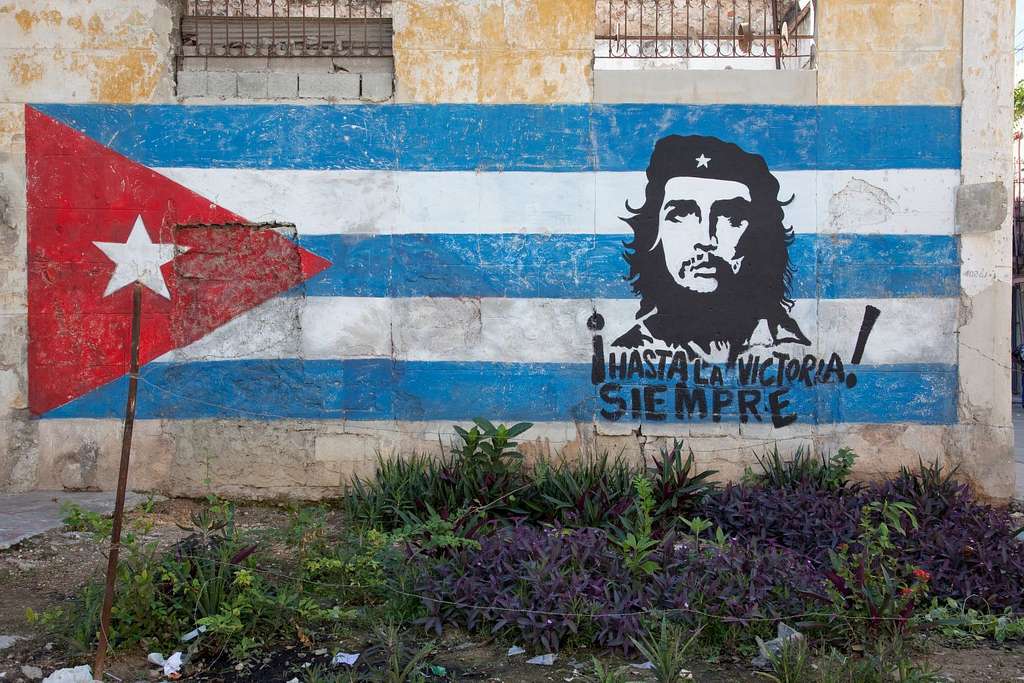
There are grave consequences from having a poor property rights ecosystem. Cuba is an example.

Already before Boric takes office in March next year, there are troubling signs that he may lead his country far and fast down the same road that Venezuela took under Hugo Chavez.
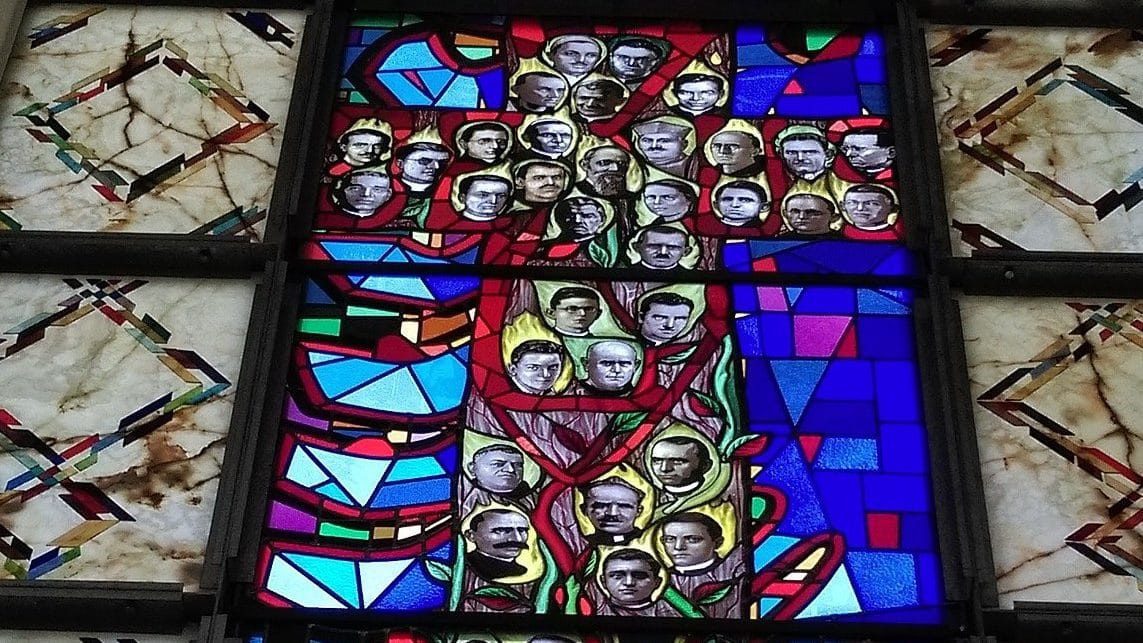
It is almost as if Don Simon Jubani was prepared to be a political prisoner. His collaborators and admirers describe him as “a nut with a hard shell,” “tough,” “passionate for the truth,” “uncompromising,” “provocative and justice-seeking,” and “highly intelligent though impatient.” He was an athletic priest (a former soccer star) who ministered to five mountainous rural parishes in the Mirdita region before he was arrested in 1963. The toughness comes across in print.
The three speakers vindicated their experiences living in totalitarian regimes against those who are convinced by propaganda and ideology that Venezuela, Nicaragua, and Cuba are free, democratic states.
Despite the challenges it faces, the U.S. is still the best option to help maintain the age-old balance of national identity and power.