

EU Proposes One-Stop Company Registration for Entire Bloc
The ‘28th regime’ would allow a company to operate across the Union under common rules after a single online registration.

The ‘28th regime’ would allow a company to operate across the Union under common rules after a single online registration.
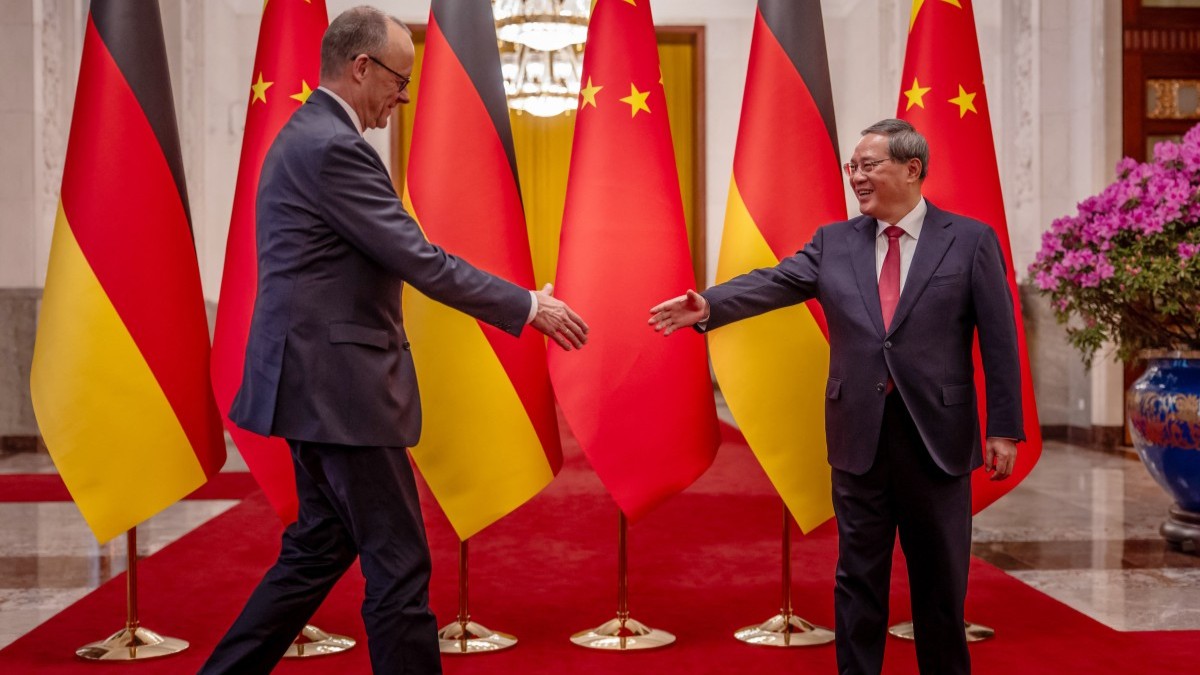
Germany depends on the Chinese market more than ever while trying to contain the political and economic impact of that relationship.

It is a mistake to introduce more protectionism before scrapping domestic policies that badly hurt competitiveness.

Rather than adopting schemes that curb competitiveness and raise living costs, boosting economic well-being is a strong way to address climate change, because prosperity builds resilience.

This dangerous nonsense plays into the hands of inept politicians incapable of solving the country’s pressing problems.

Policymakers and economists pointed to bureaucracy and overregulation as key factors driving innovation and investment out of the EU.

The Madrid Declaration denounces von der Leyen’s economic policies and calls for new leadership to defend producers and families.
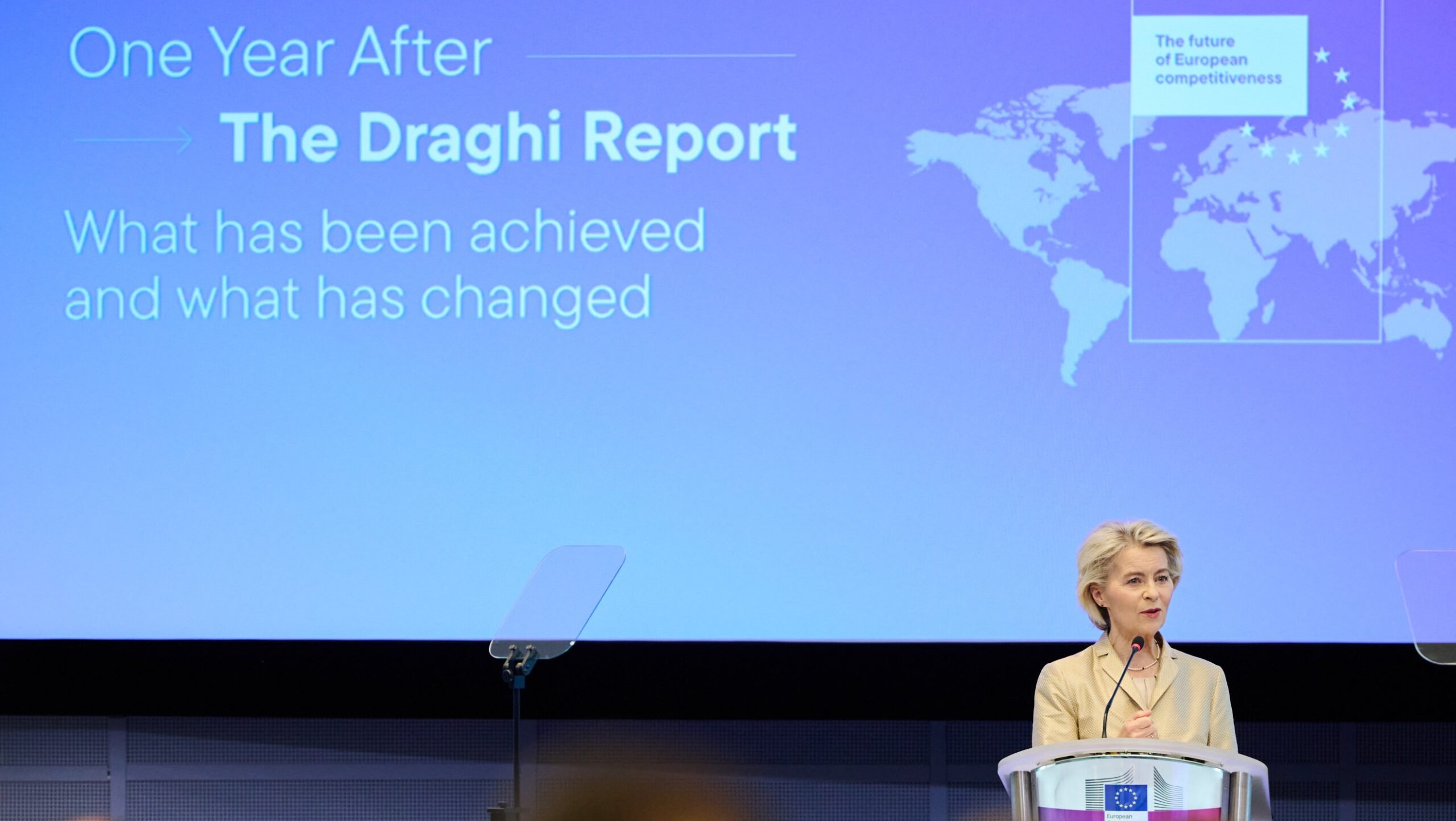
Fault lines continue to show themselves in the European Parliament, as the EU finally realises the folly that is its latest iteration of its Green Deal rules.

Brussels’ version of unity always means centralization—and a transfer of responsibility from national governments to unelected bureaucrats.

The role of small and medium-size enterprises becomes the crux of the conflict between a centralized model and the demands for economic freedom.