
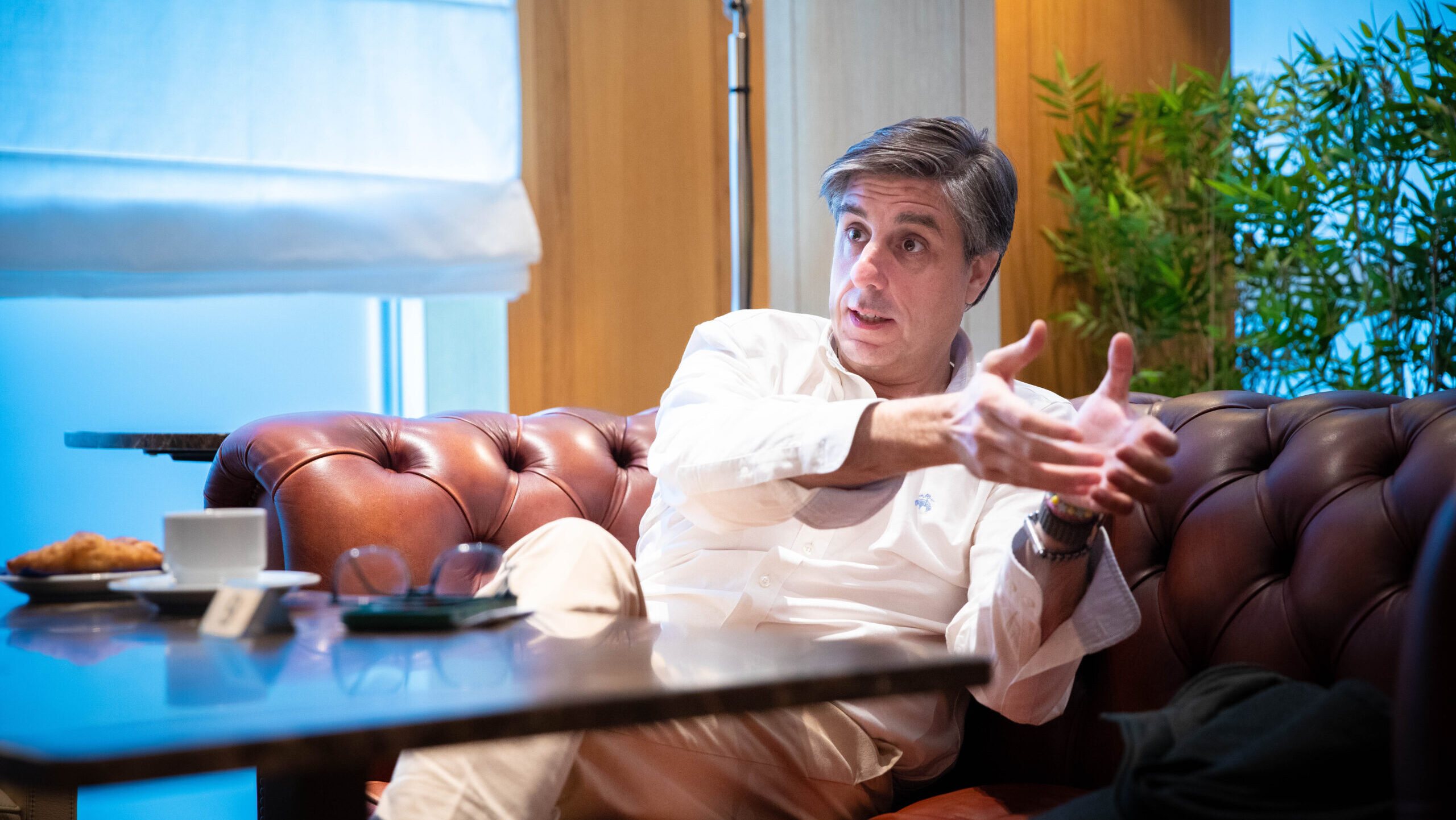
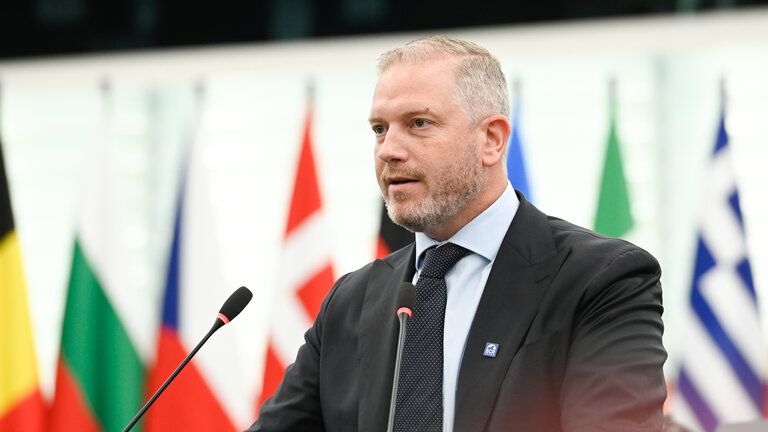
“In Brussels, regulation is driven by fear, not by strategic interest”—VOX MEP Jorge Martín Frías
The role of small and medium-size enterprises becomes the crux of the conflict between a centralized model and the demands for economic freedom.

The role of small and medium-size enterprises becomes the crux of the conflict between a centralized model and the demands for economic freedom.

The next growth story will belong to places that excel at the basics: abundant energy, flexible work, simple and stable rules, openness to trade and investment.
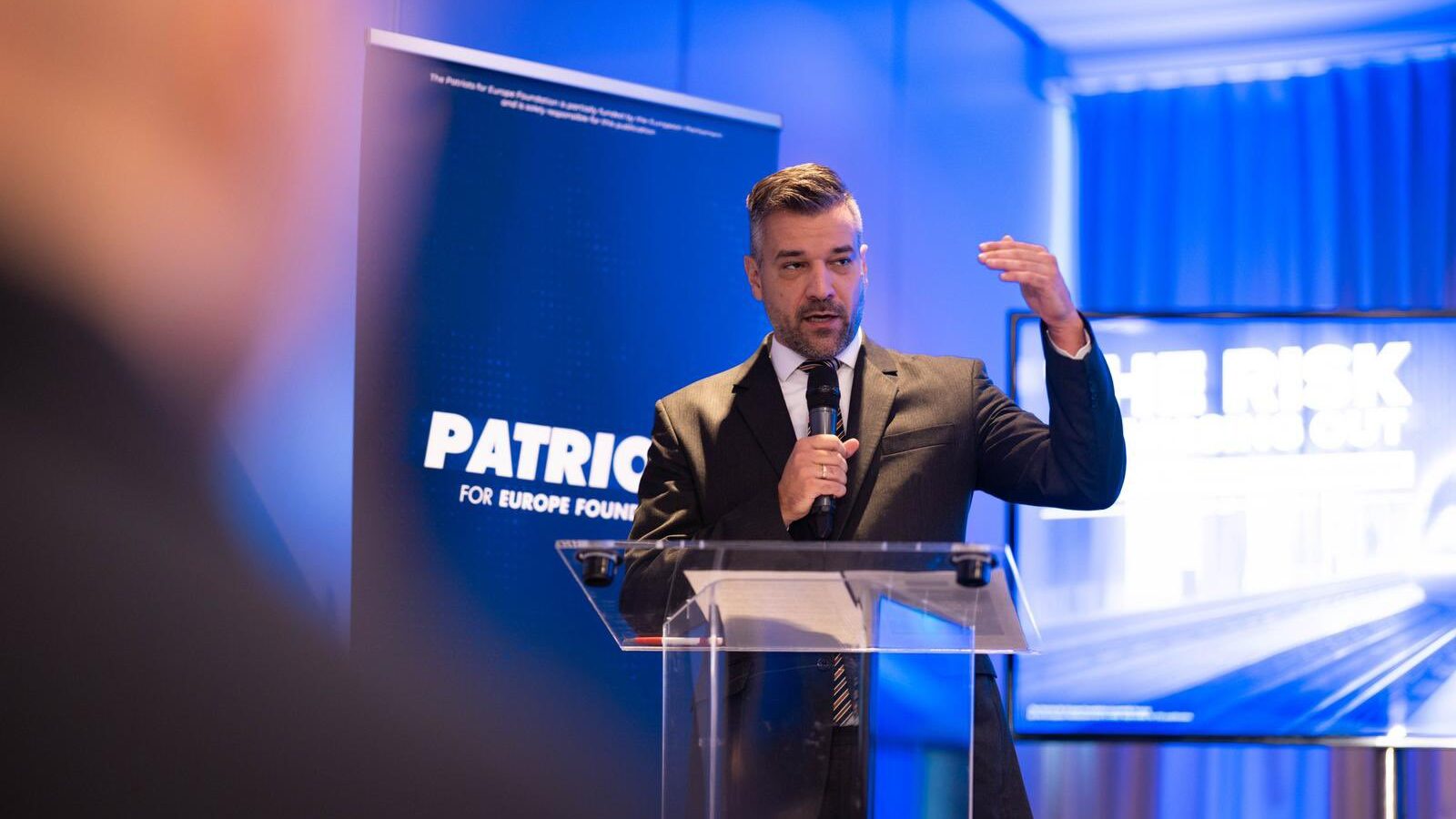
The issue is not technical but political: will Europe choose to innovate and defend freedom, or entrench itself in bureaucracy that suffocates both?
Villainising those who don’t want to impoverish Europe in the name of Net Zero won’t erase the cold, hard facts about this green fantasy.

Von der Leyen admitted to a lack of “urgency” in acting on reforms.

The EU is ready to sacrifice competitiveness and credibility on the altar of ideology (again.)
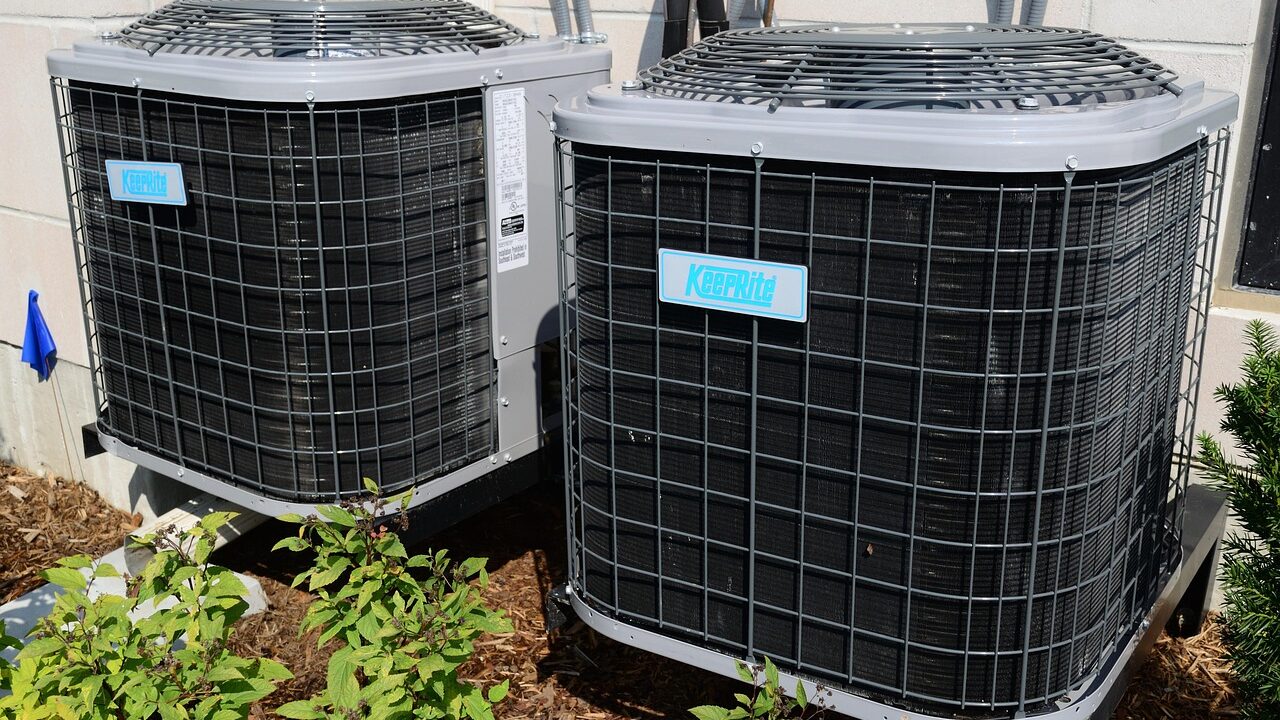
The climate debate is no longer limited to the environmental impact of fossil fuels; even the technologies that protect us from extreme heat are now under scrutiny.

“We are being forced to focus on climate adaptation while we should be talking about security, defence, and other important issues,” Ondřej Knotek told europeanconservative.com.
“Citizens see how social services are being diverted to deal with unaccompanied migrant minors while other essential services are underfunded.”

Starmer effectively described green levies as “the barriers that hold us back.”