
The Forgotten Conservatism: Why Chega is Not Right
“Chega is right-wing, but of a non-conservative type. … the bottom line is that we need a real conservative party in Portugal. There is none right now.”

“Chega is right-wing, but of a non-conservative type. … the bottom line is that we need a real conservative party in Portugal. There is none right now.”

In a country that’s been binge-drinking at the font of liberty for a half-century, the American New Right is betting that the hangover is setting in.

The green banner of environmentalism rightfully belongs to those who resist the ideology of entropy, the global breakdown of every function and form, from borders to genders.
True Finns’ rising popularity is important both for Finland’s upcoming elections on April 2nd, and—perhaps more importantly—for challenging the progressive narrative of the ‘liberal youth.’

Transforming conservative theory into policy takes a lot of work. The concept of the ‘social market economy’ is a good tool to make that happen.

Burke failed the test of his era’s truly conservative, and therefore, truly radical, struggle: saving and updating the commons as locus of virtuous sociability and preservation of identity.

The rise of the Right in the small Baltic country may be part of a bigger regional trend toward conservative governments.
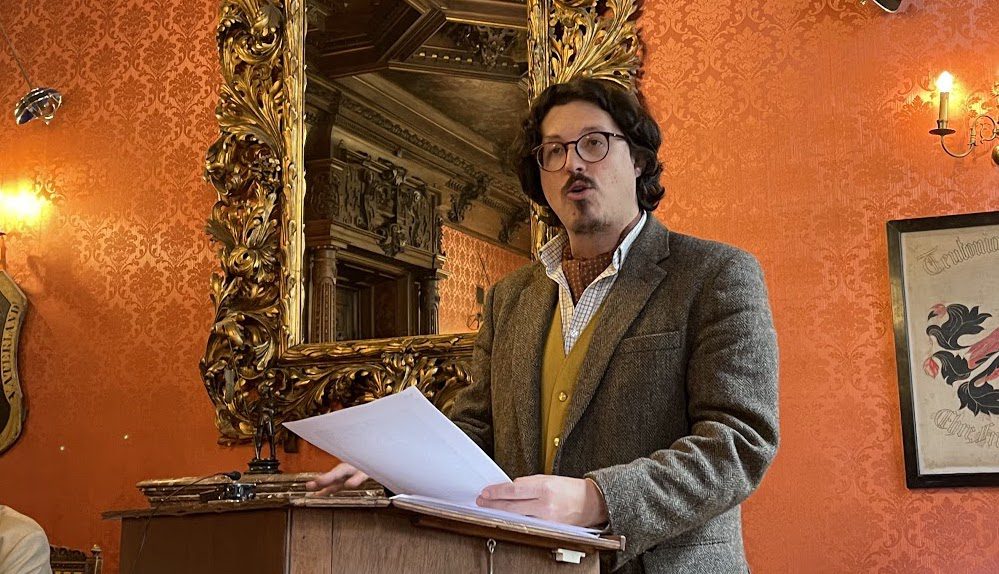
Engels invites us to free ourselves from the belief that the “nation state offers the answer to all our existential and identity problems” and proposed a “pan-European conservative front.”
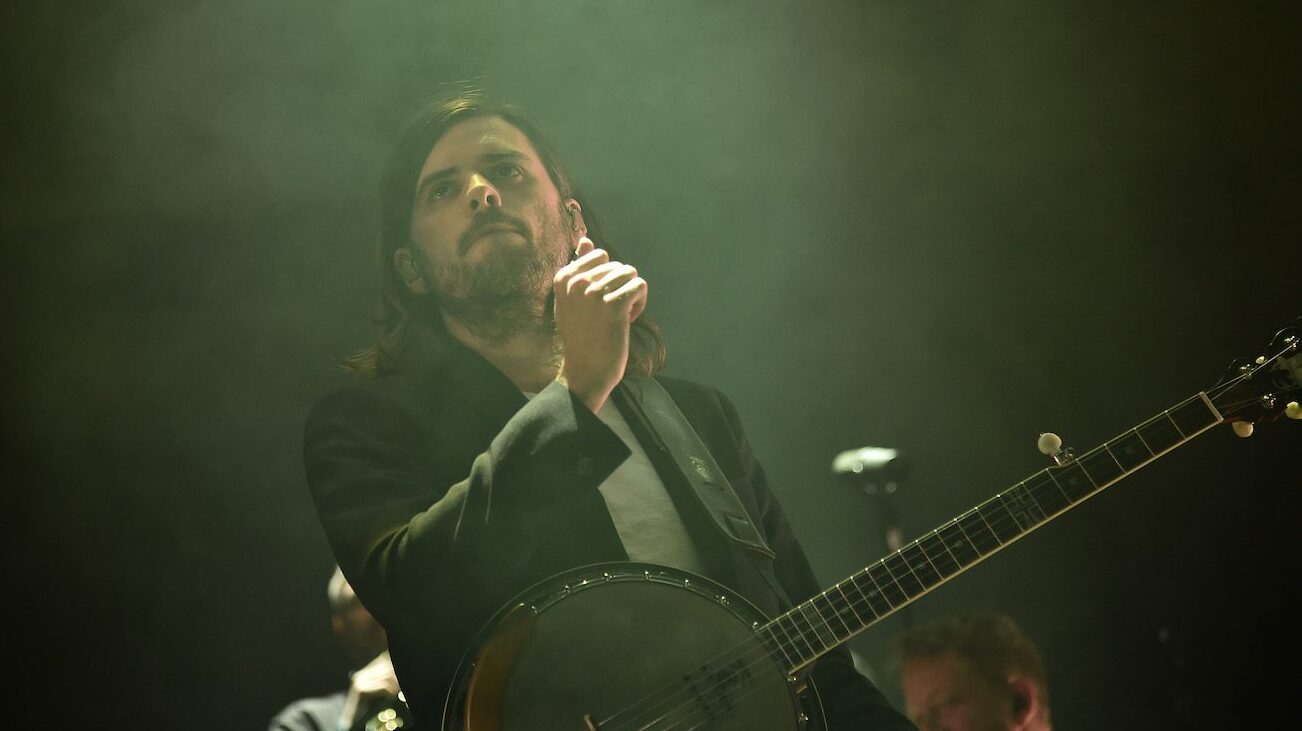
Winston Marshall is enjoying his newfound freedom. Through longform podcast conversations with thinkers, writers, and pundits, he’s finally sharing his views and speaking out on the causes he cares about.

If they wish to be governing forces like in Hungary and Israel, conservatives must not mind being hated.