

Europe’s Cyber Wake-Up: Consensus on the Gap, Panic Over the Clock
While the EU remains technologically dependent on third parties, AI advances at a pace institutions can barely keep up with.

While the EU remains technologically dependent on third parties, AI advances at a pace institutions can barely keep up with.
The American AI company turned down a Chinese request to access Claude Mythos, a highly restricted AI system viewed as serious national security technology.
Hackers are increasingly attacking Europe’s public online systems, cybersecurity company says.
According to Albania’s PM Edi Rama, the TikTok prohibition was not rushed and was based on a survey in which 90% of parents supported the measure.
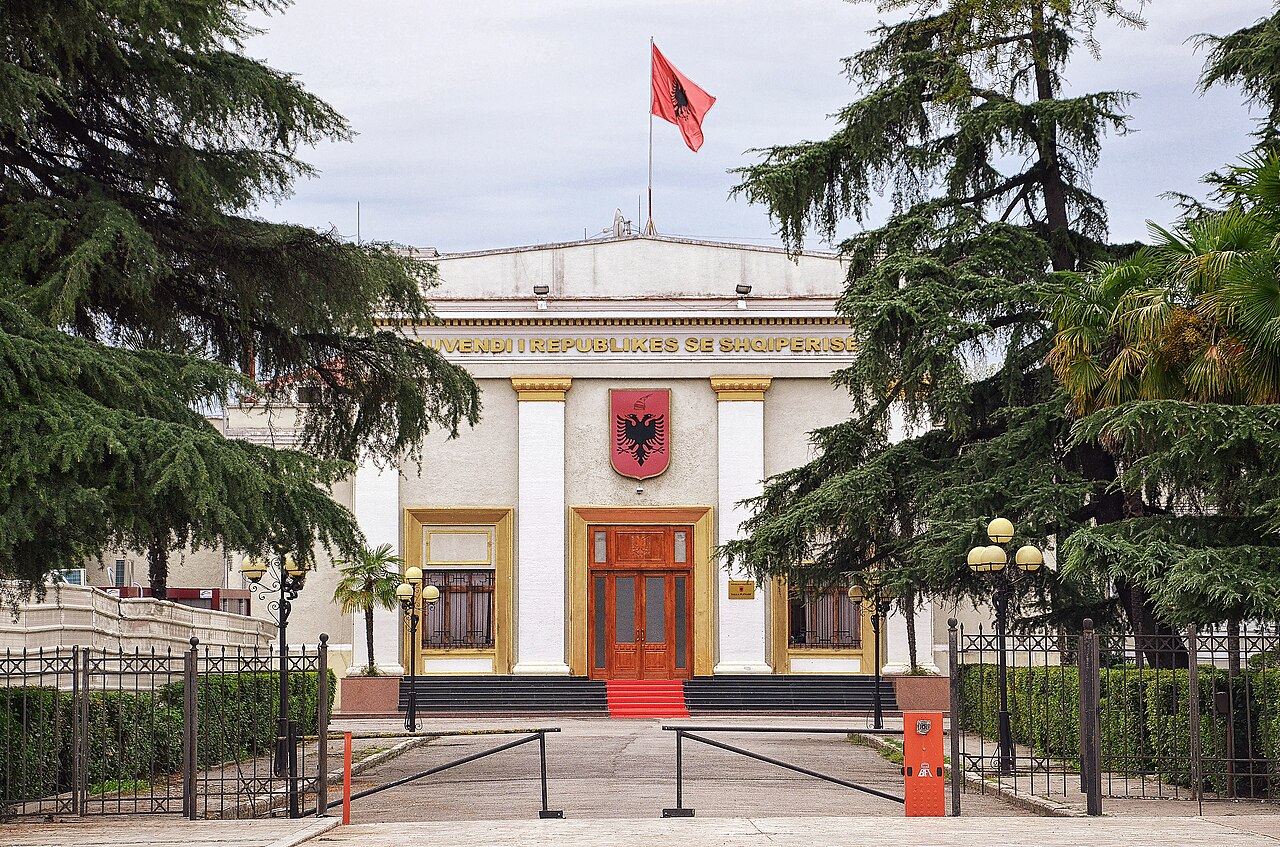
Albania’s National Cyber Security Authority is investigating a major breach after Iran-linked hackers claimed to have stolen months of private correspondence from MPs.
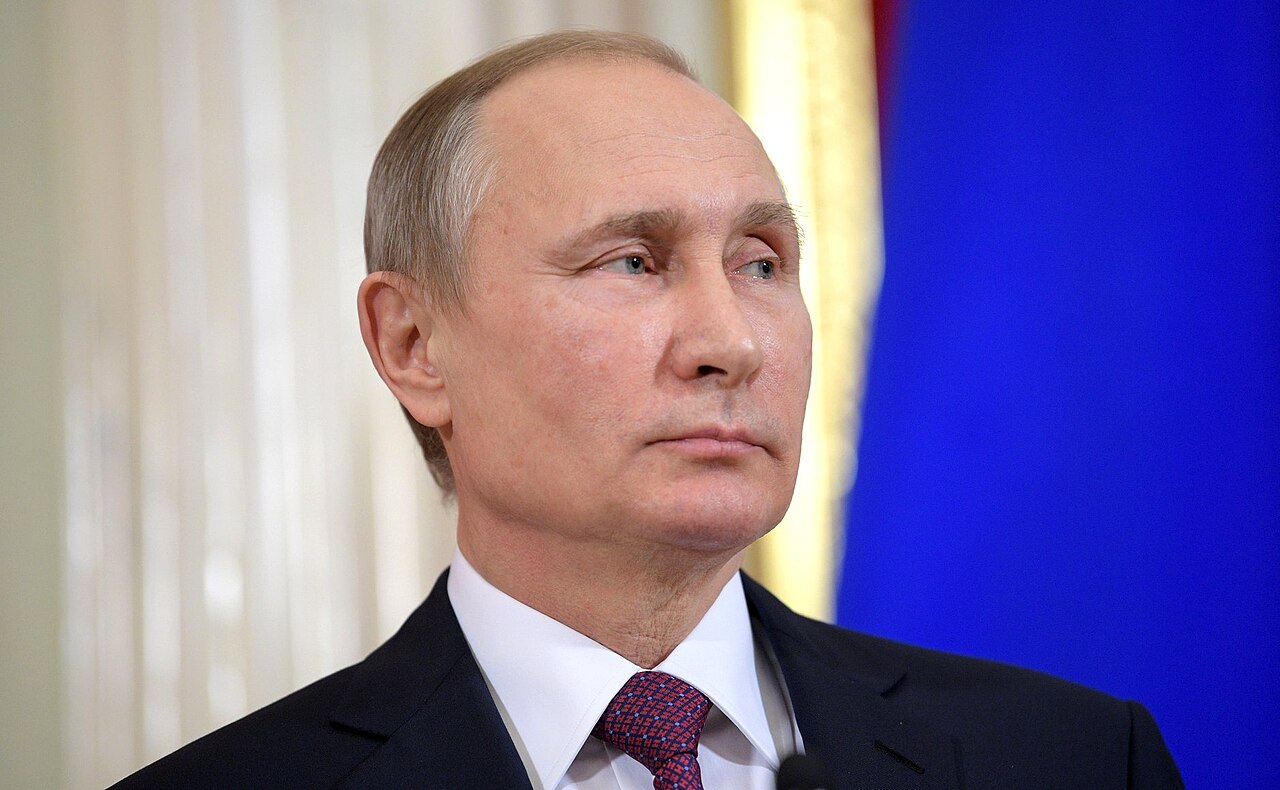
Tallinn notes that Putin’s fixation with controlling Ukraine remains central to Russia’s geopolitical ambitions.

On the eve of elections, several Danish political organization’s websites faced hacker interference.
The new Cyber and Electromagnetic Command will use AI to hit back at foreign threats—amid warnings that the British Army still lags behind.
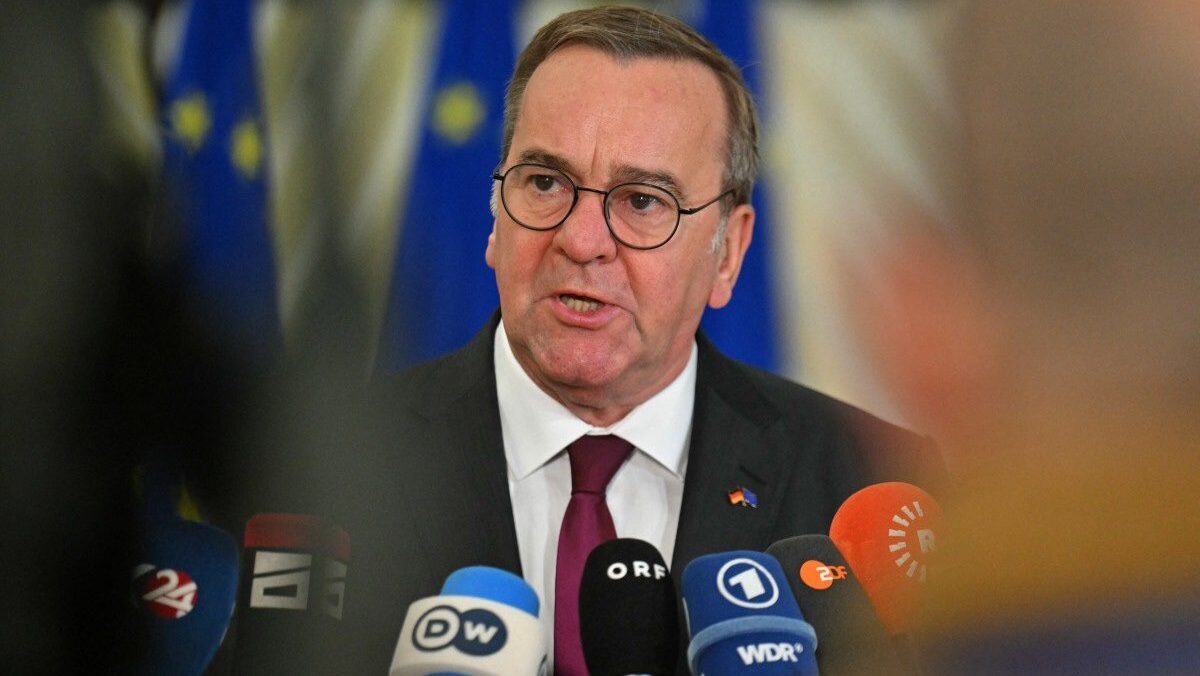
NATO states are stepping up surveillance of pipelines and cables.

“It raises suspicions when a cable breaks, prompting questions about why it happened,” says cybersecurity expert.