
Germany Ramps Up Military Budget to 3.5% of GDP by 2029
In a break with decades of fiscal orthodoxy, Germany will fund its largest defence buildup in generations through debt.

In a break with decades of fiscal orthodoxy, Germany will fund its largest defence buildup in generations through debt.

Under pressure from his fragile left-wing coalition, Pedro Sánchez says he won’t meet NATO’s defence target. But NATO says he will—eventually.
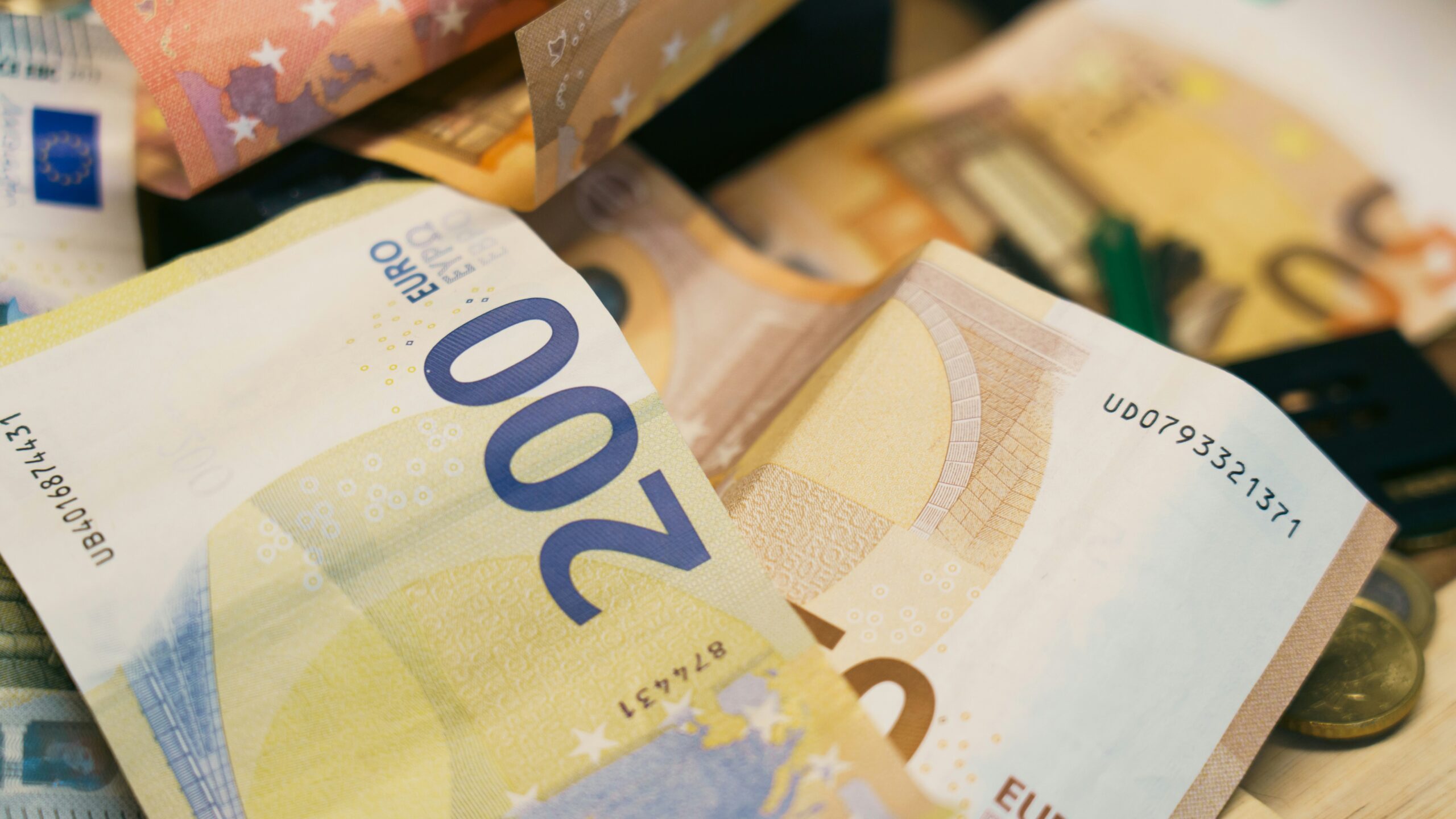
As many EU states still feel the burn from 2022’s inflation peak, new policies risk reigniting the fire.
Rutte warned that Russia could be ready to attack NATO countries “in five years.”
Europe’s largest economy is already trailing its 2018 troop targets, raising concerns as the country now faces pressure to significantly boost its active-duty forces.
Corruption and inefficiency in aid programs means it’s “not solidarity, but waste,” they said.

To date, there are no credible estimates of the fiscal danger associated with NATO’s planned military expansion. We put numbers on it. Prepare to be shocked.
U.S. Ambassador to NATO Matthew G. Whitaker said, “It’s definitely more than just missiles, tanks and howitzers—but it’s got to be defense-related.”
“As governments increasingly prioritize military security, often at the expense of other budget areas, the economic and social trade-offs could have significant effects on societies for years to come.”
Brussels did not conduct any impact assessments before making the decision.