

German Democracy and the Docta Ignorantia
Democracy is not paradise, ideology, or a blank canvas for every political desire. It is a set of rules that demand restraint—and the humble recognition that we can be wrong.

Democracy is not paradise, ideology, or a blank canvas for every political desire. It is a set of rules that demand restraint—and the humble recognition that we can be wrong.
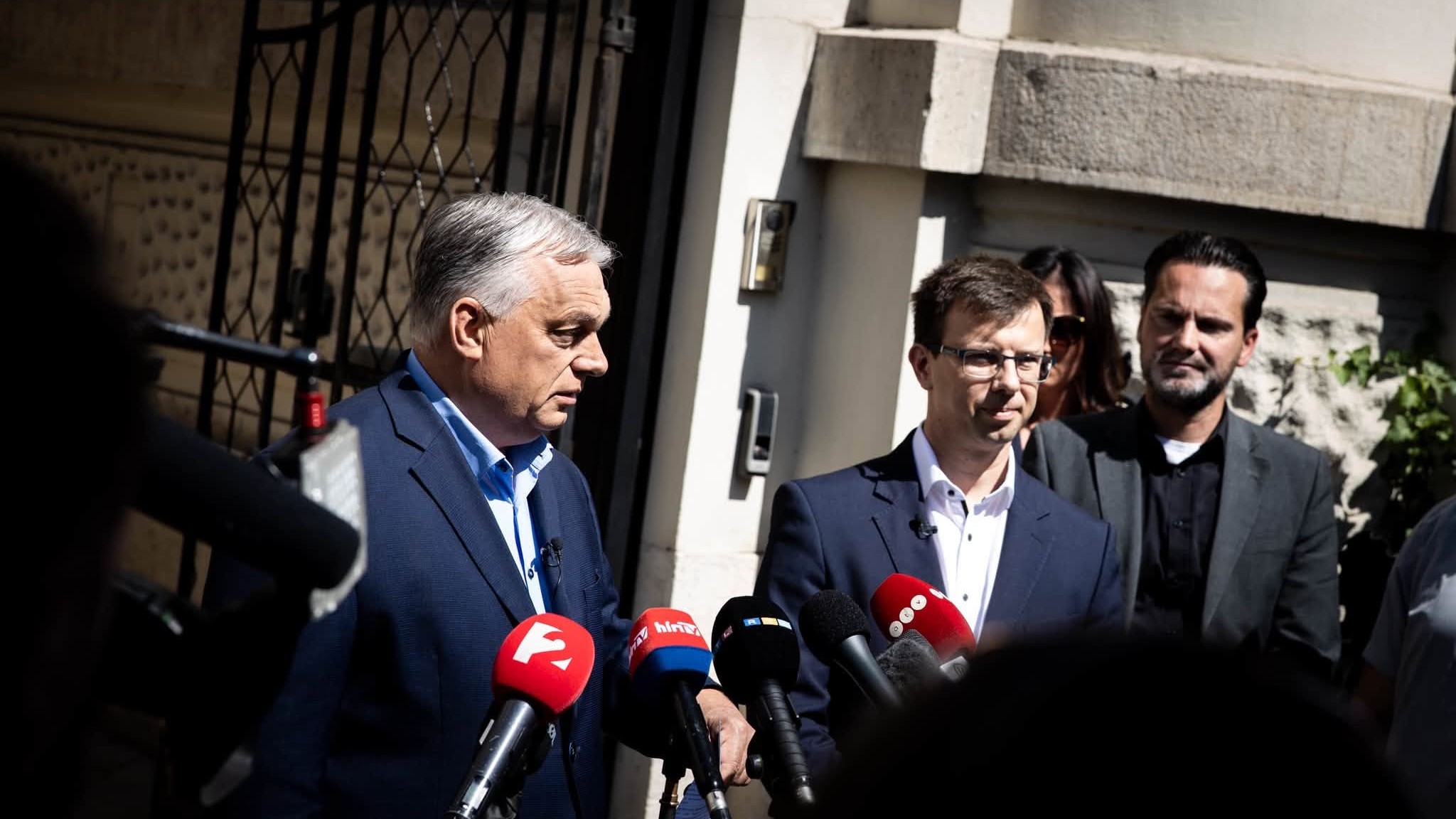
The raid on Fidesz’s communications infrastructure is another sign that Hungary’s new, pro-Brussels government is using prosecutorial powers to harm its largest political opponent.
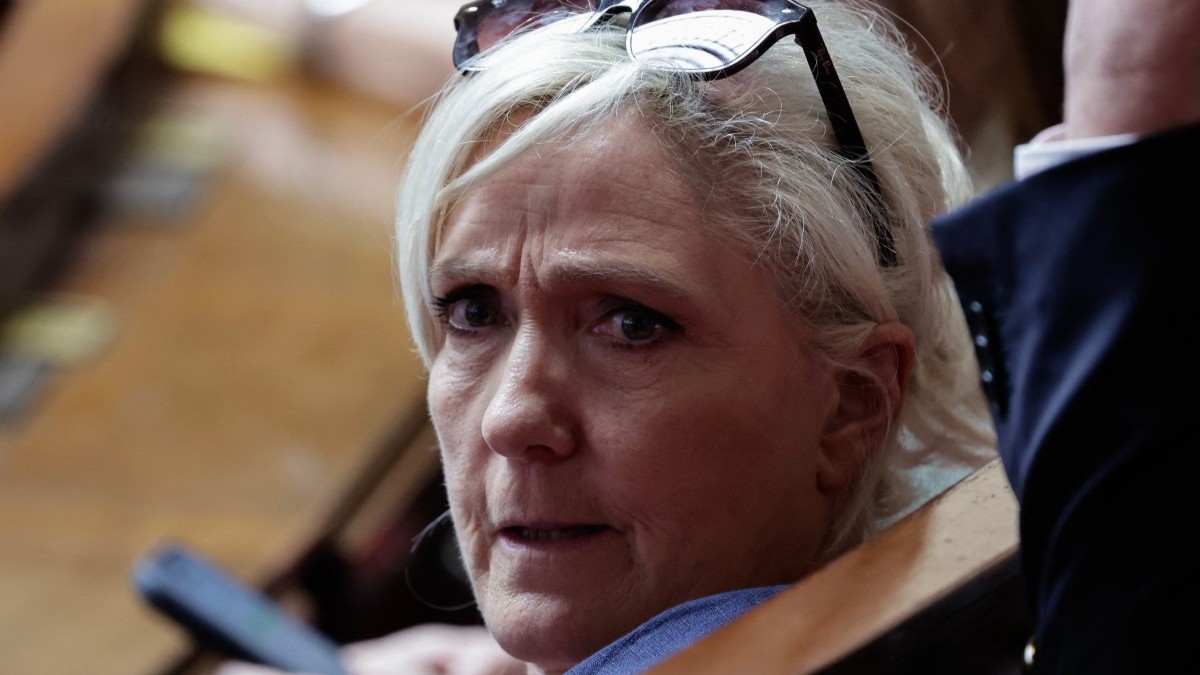
The frontrunner in France’s presidential election has accused Hungary’s government of systematically violating the rule of law.

“The Constitution should be the limit of power, not its instrument,” the prominent Hungarian watchdog warned.
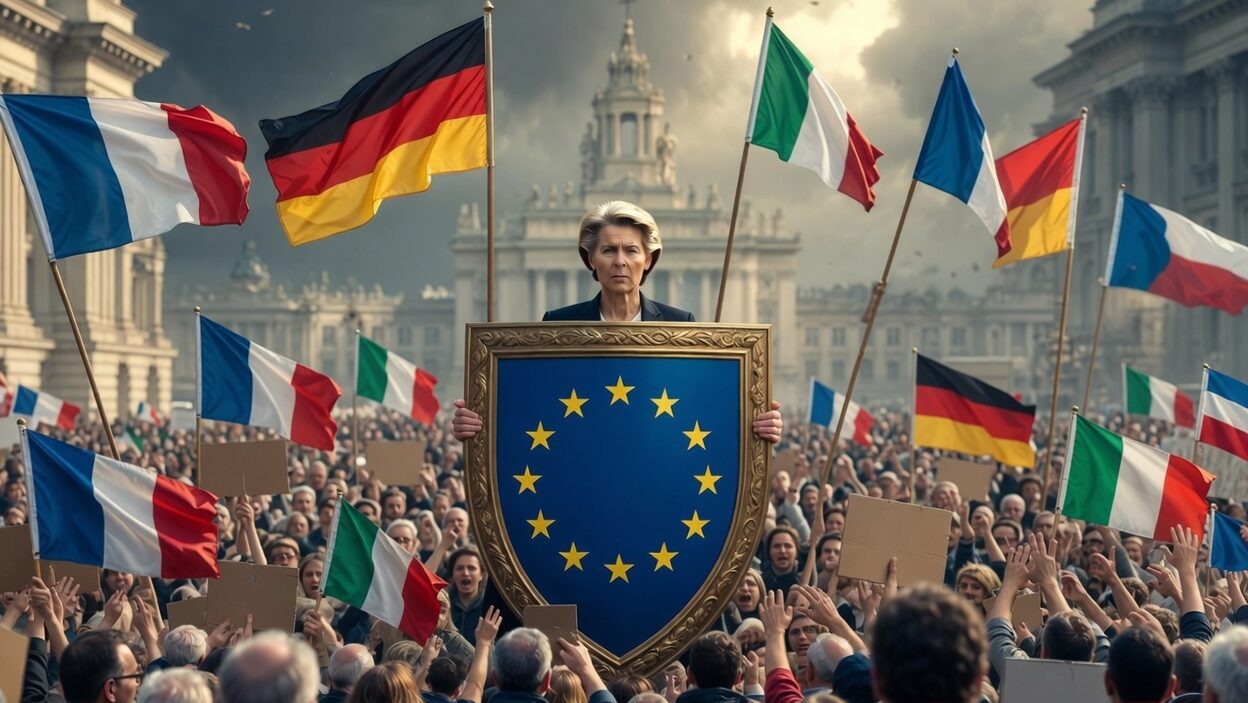
A committee established to defend democracy from manipulation has become the cheerleader for a system that treats democratic speech itself as a manipulable object.
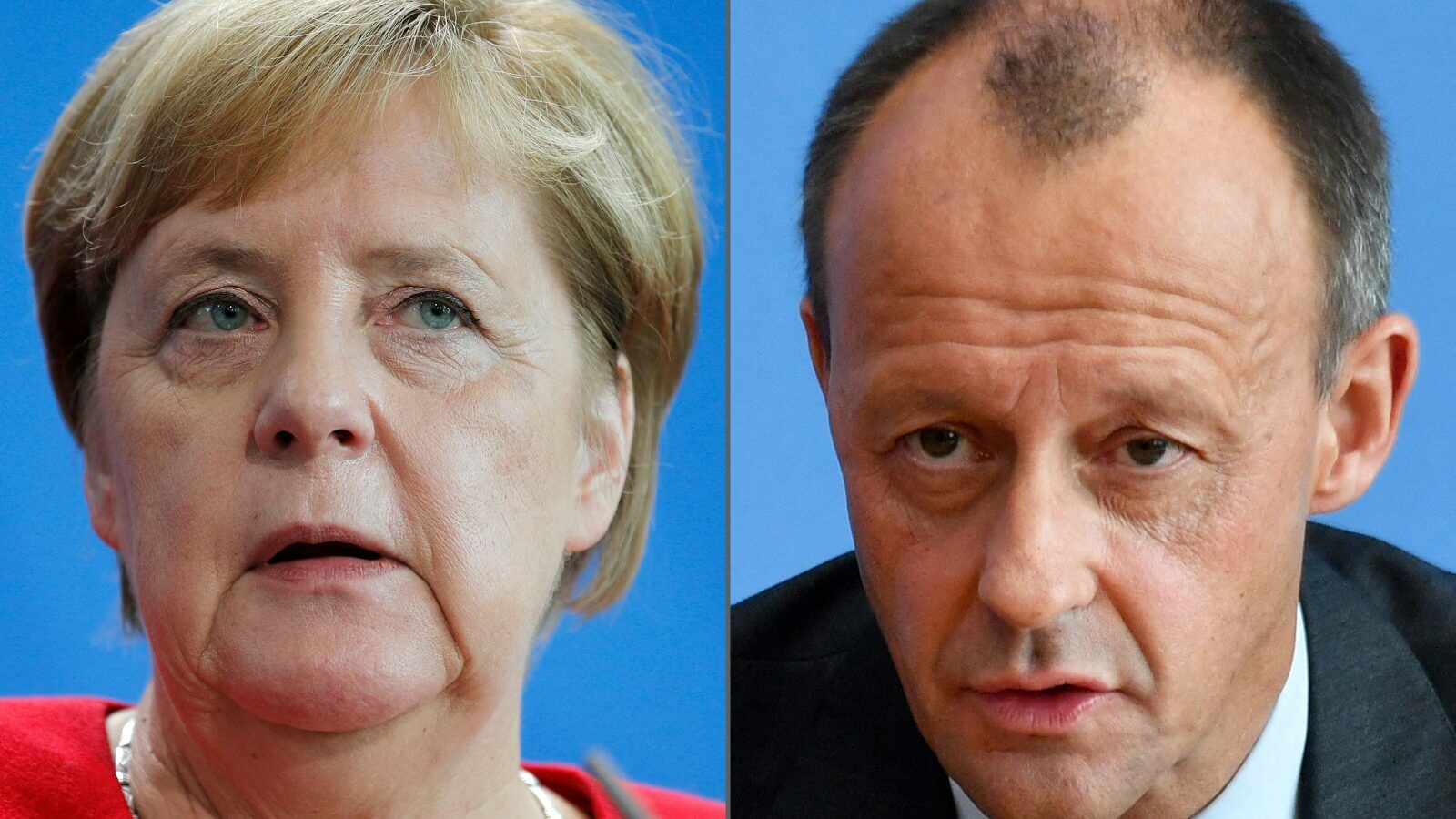
It was not compromise but the avoidance—even suppression—of critical debate that lay at the heart of the technocratic governing style for which Merkel and her successors stand.

The man who told young Muslims democracy is a “great sin” is reportedly connected to an Islamist group banned in many countries.
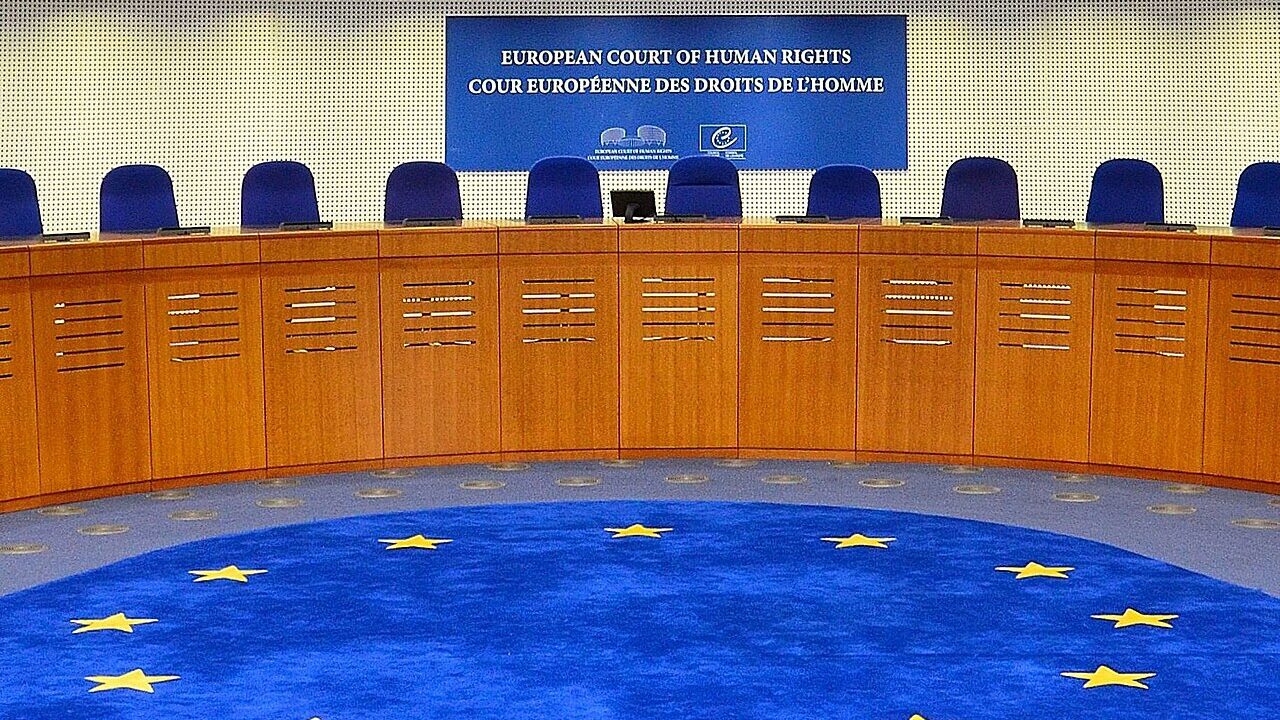
A people permitted to vote, but not truly to decide, will not indefinitely remain loyal to an order that denies the force of its own consent.
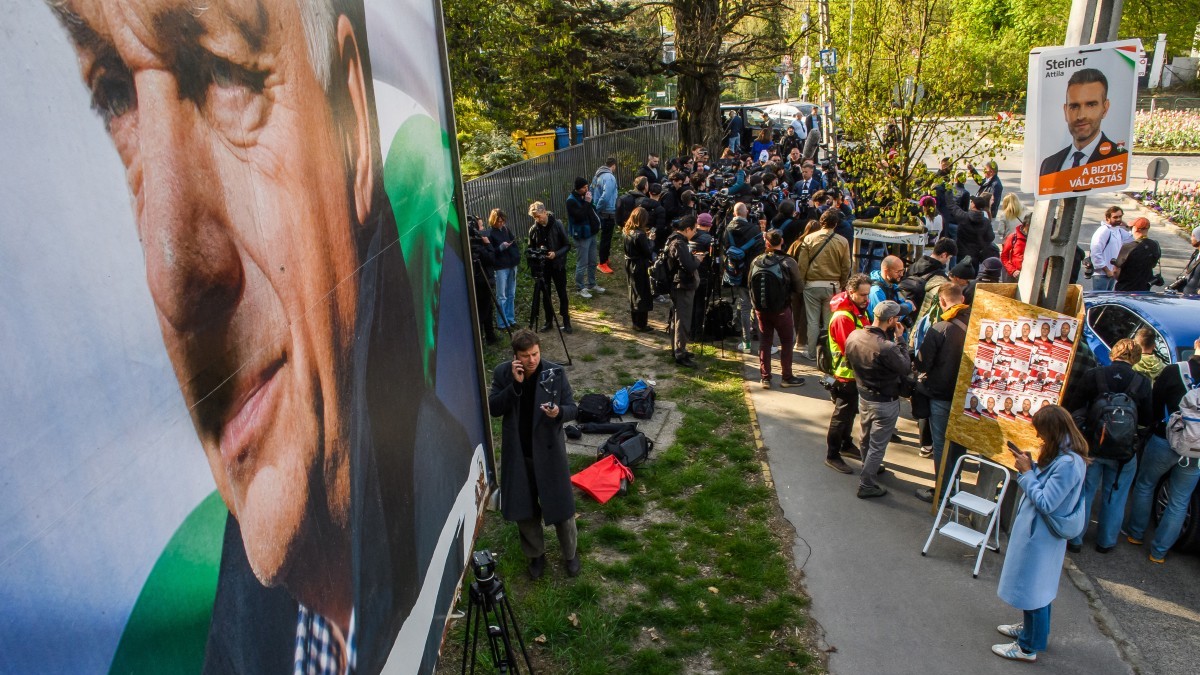
For years, it was claimed that Viktor Orbán had turned Hungary into an autocracy where political alternation was impossible. Last night’s election proved the opposite.
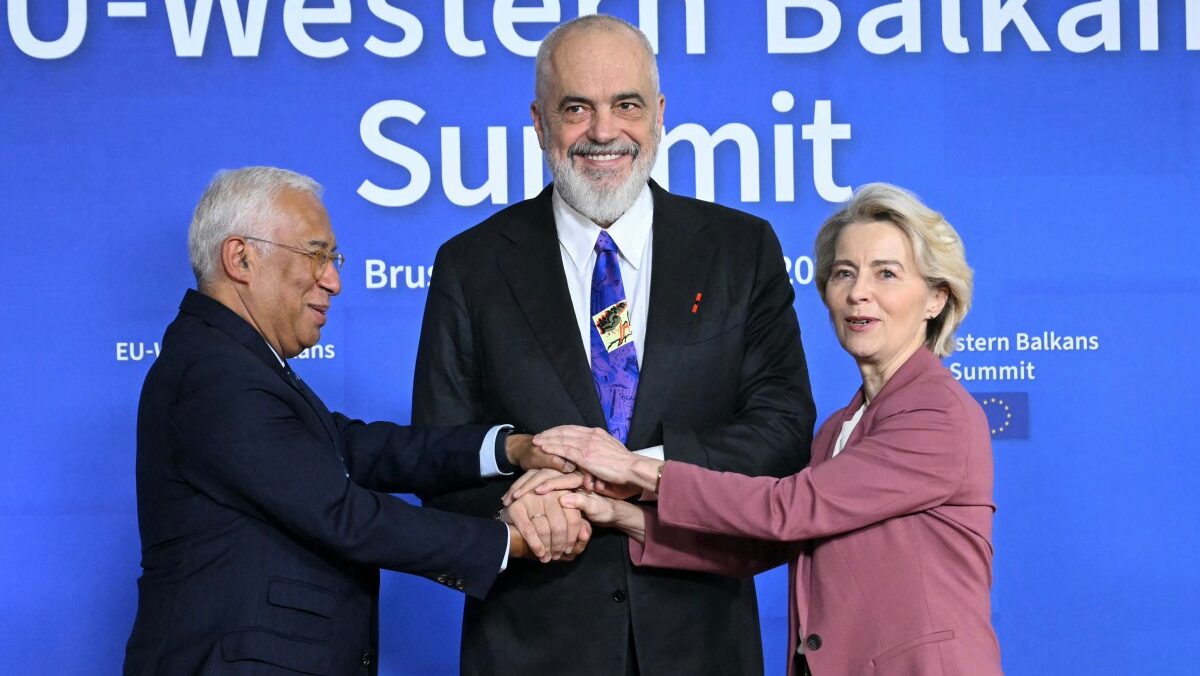
EU leadership prioritises enlargement over rule of law in Albania, accepting democratic backsliding in exchange for political stability.