

France Targets Online Anonymity Under the Guise of Child Protection
The government’s new social media law is presented as a safeguard for minors, but critics warn it creates the infrastructure for mass identity verification.

The government’s new social media law is presented as a safeguard for minors, but critics warn it creates the infrastructure for mass identity verification.

The European Commission has hit Chinese retail giant AliExpress with a record €550 million penalty for violating consumer protection rules, far exceeding a previous fine levied against rival Temu.

An episode of a Finnish podcast that dared discuss the concerns regarding the mass surveillance of EU citizens’ conversations online has been removed by the tech giant for users within the European Union.
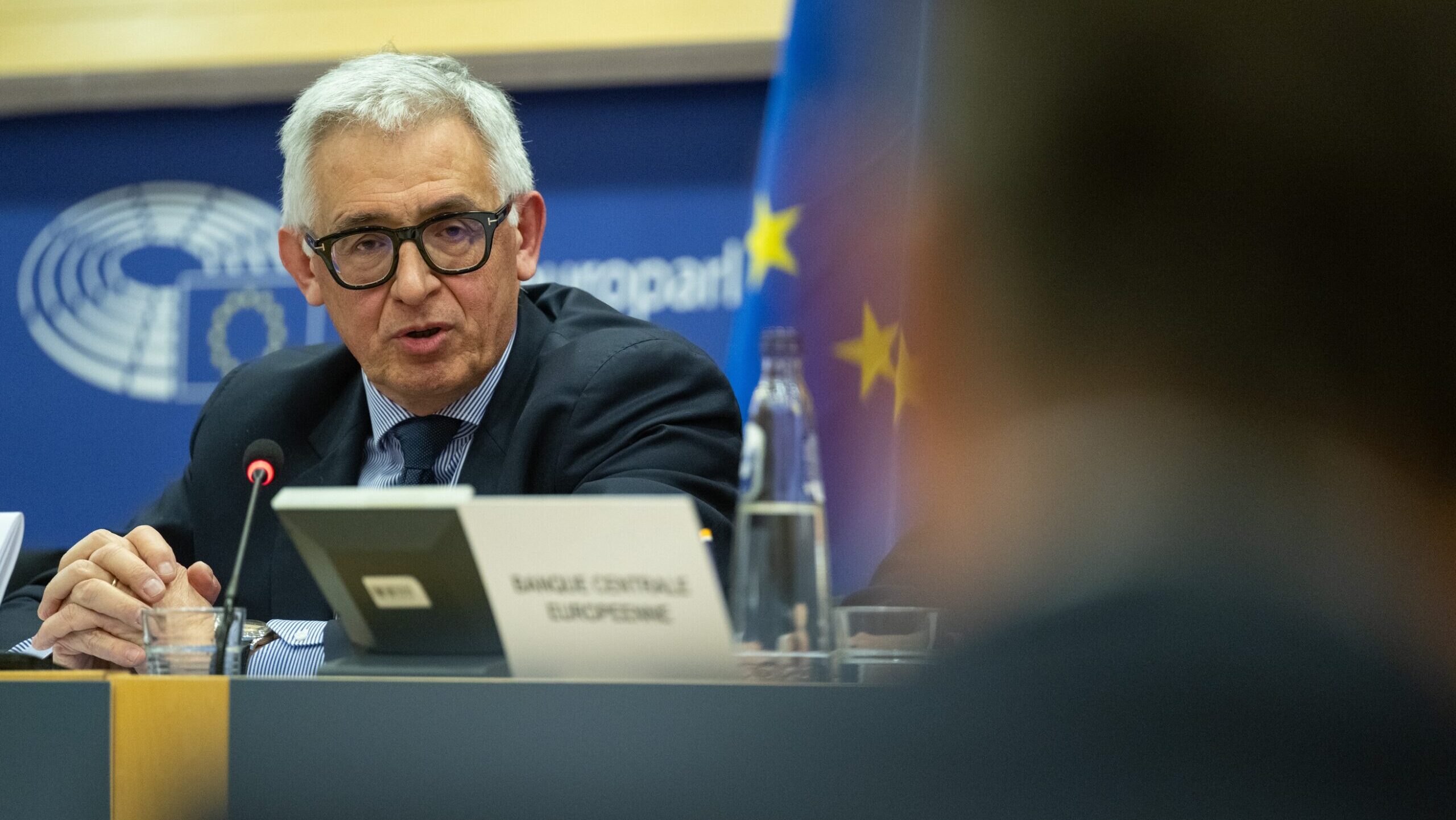
The European Parliament voted to open negotiations on the most ambitious monetary project in Europe since the creation of the euro—without any independent body having examined whether the ECB had the Treaty authority to propose it in the first place.
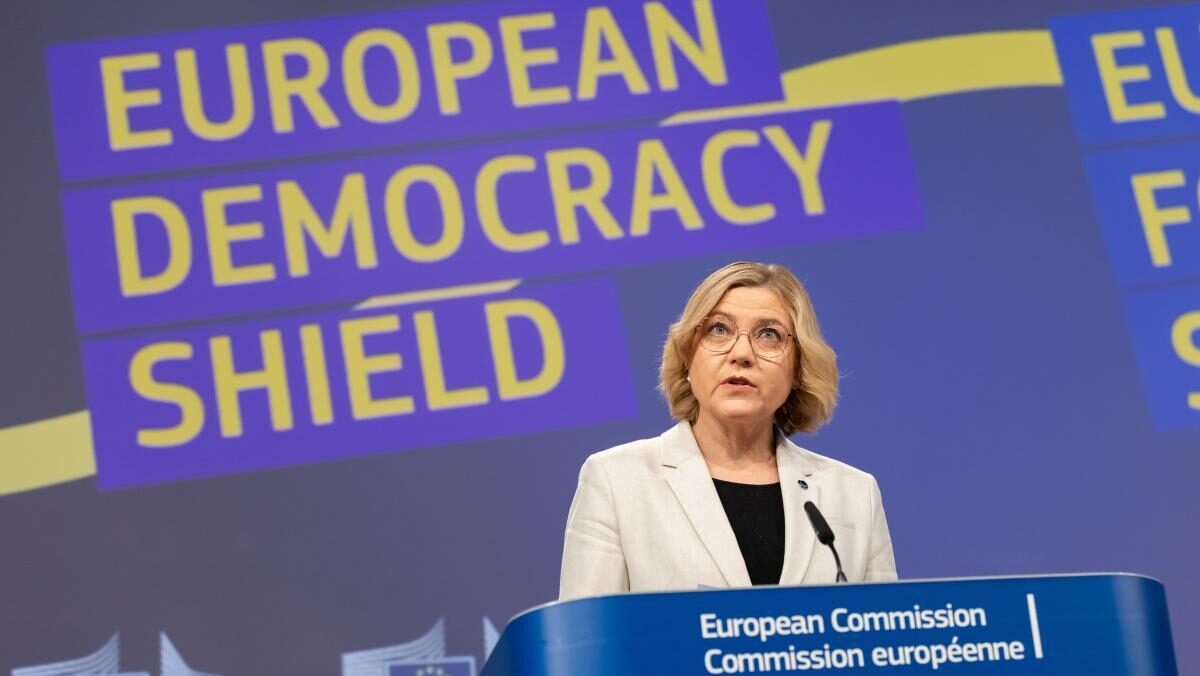
A new report claims Brussels’ expanding digital rules risk narrowing what voters can see and share—especially during election campaigns.

Washington indicates that European companies could face new regulatory burdens if the proposed rules move forward.

The combination of control of funds, digital rules, and legal procedures allows the EU to sway the political context ahead of elections in member states.

A new EU system will track online content during the campaign, even as evidence of foreign interference remains absent.

The era of unregulated paid-for verification may be coming to an end in Europe as X attempts to align its platform with the requirements of the Digital Services Act.
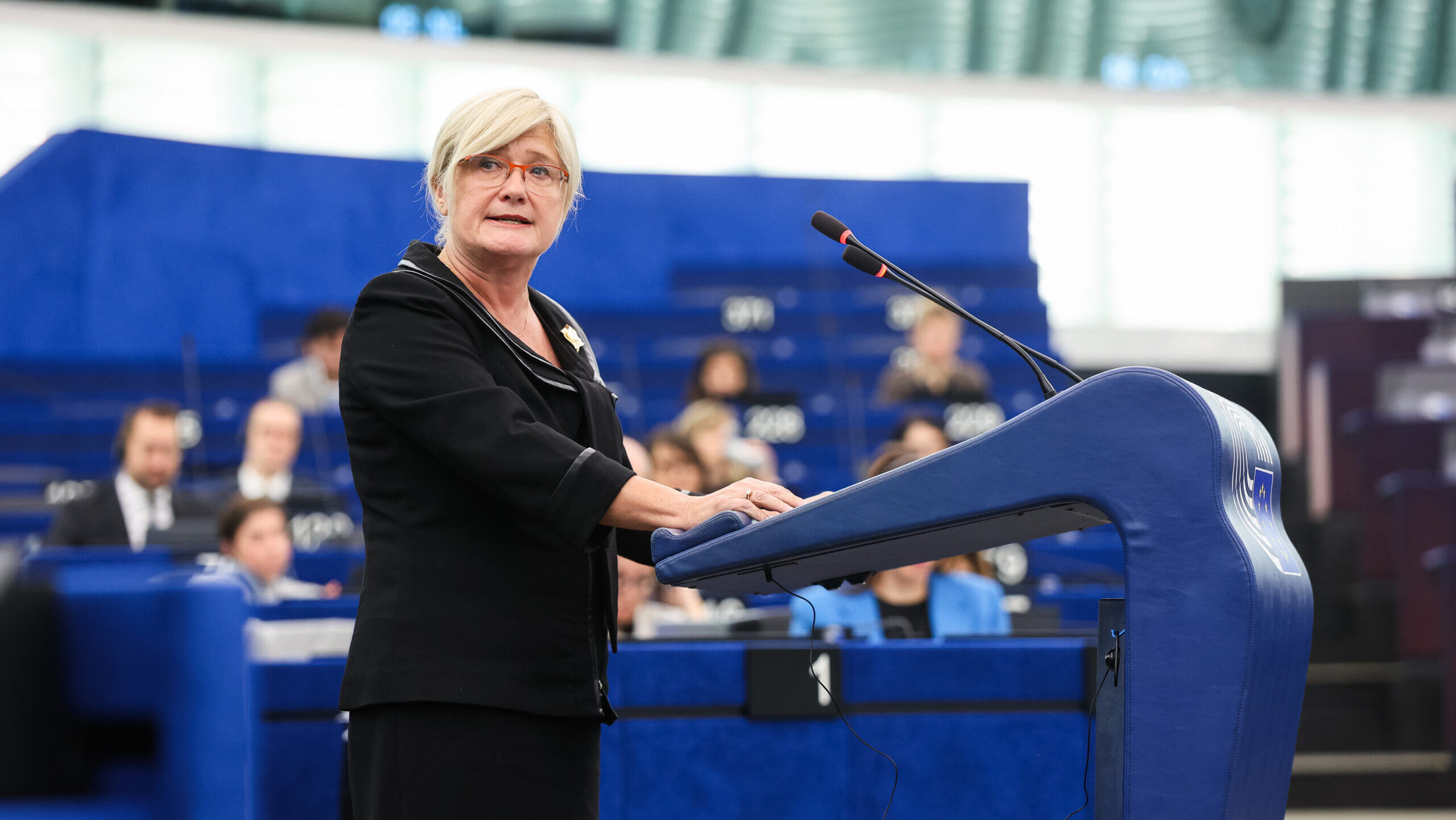
Patriots for Europe say Brussels pressured tech firms to police political speech during elections.