

Musk’s X Appeals €120M EU Fine
The appeal marks the first courtroom battle over a penalty issued under the EU’s sweeping Digital Services Act.

The appeal marks the first courtroom battle over a penalty issued under the EU’s sweeping Digital Services Act.

The initiative raises uncomfortable questions for Brussels, which presents itself as a defender of rights abroad while regulating online platforms at home.

“No one denies that disinformation exists. The problem is that, in this case, the remedy may be worse than the disease.”

The GDI calls itself “independent”—but if it depends on funding from governments and public institutions like the European Commission, what kind of independence is that?
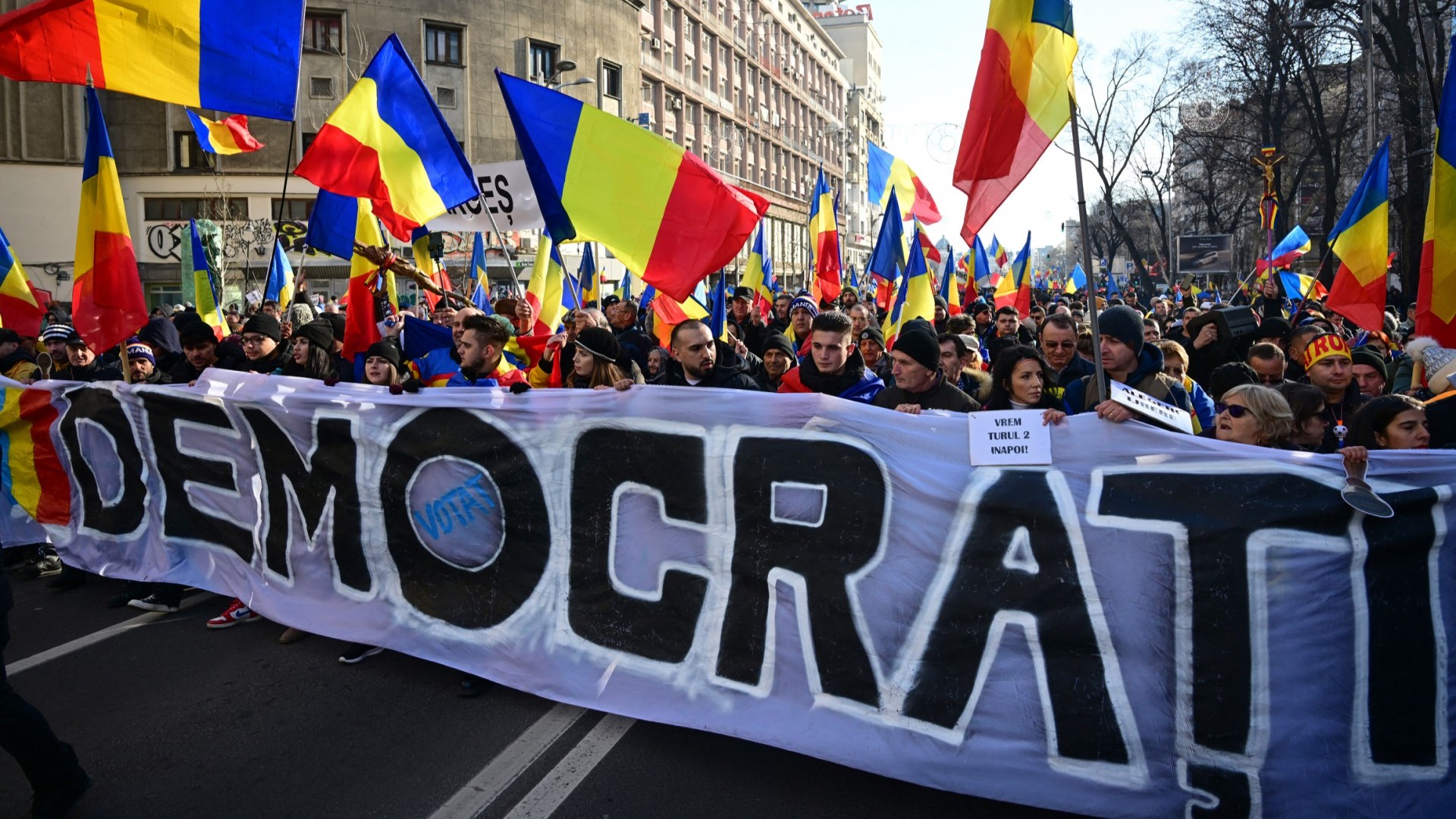
When electoral outcomes depend on conformity to approved narratives, voters are no longer citizens exercising constitutional rights—they are just pawns in a supervised process.

A U.S. report has reignited accusations that Brussels crossed from regulation into political control, with critics warning the implications reach far beyond one country.

Documents released by the Republican members of the House Judiciary Committee point to systematic intervention by the European Commission to shape political and electoral discourse across several countries.
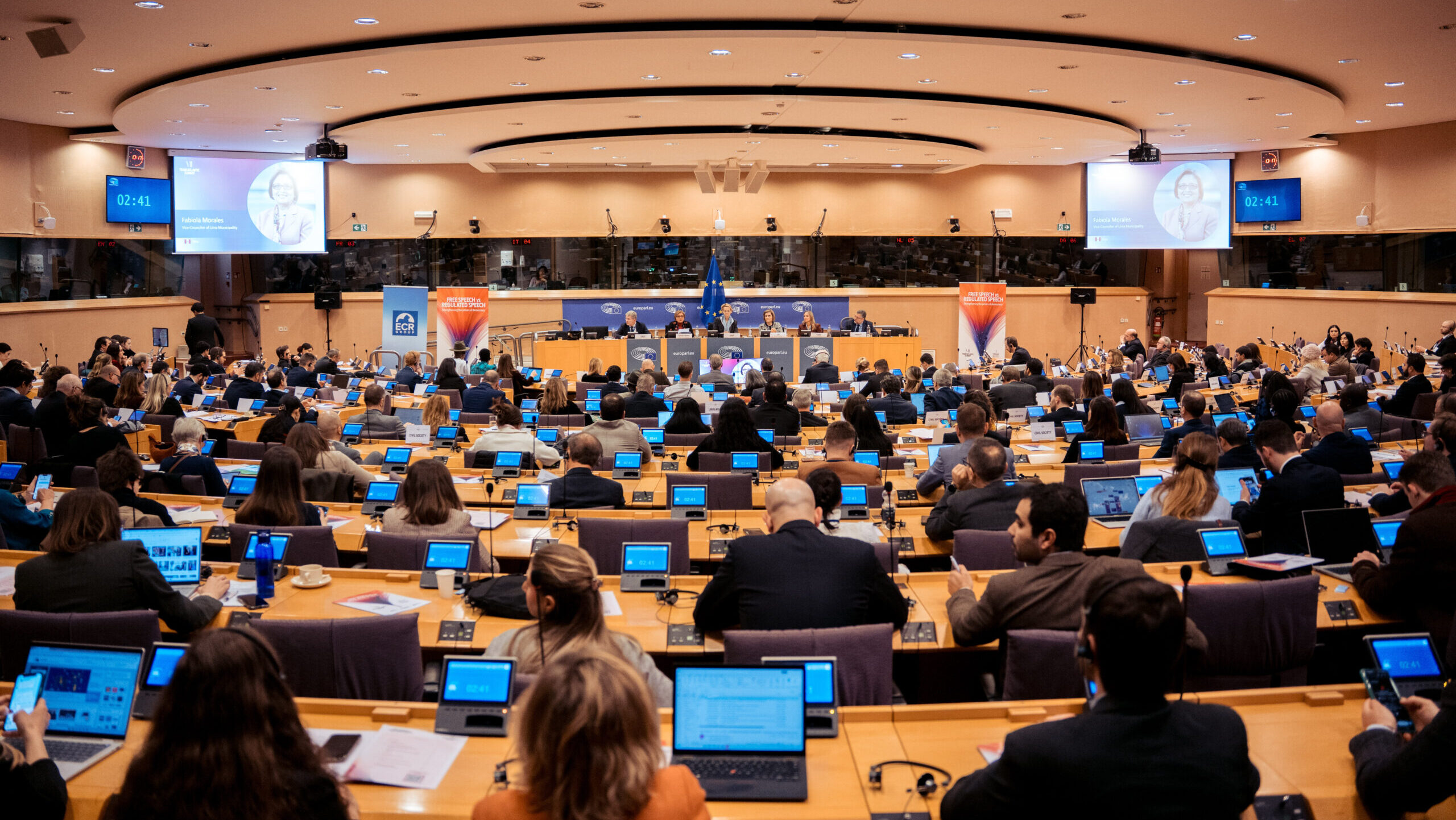
“It is not the role of government to police the public square or to decide which opinions citizens are allowed to see,” Croatian MEP Stephen Bartulica said.
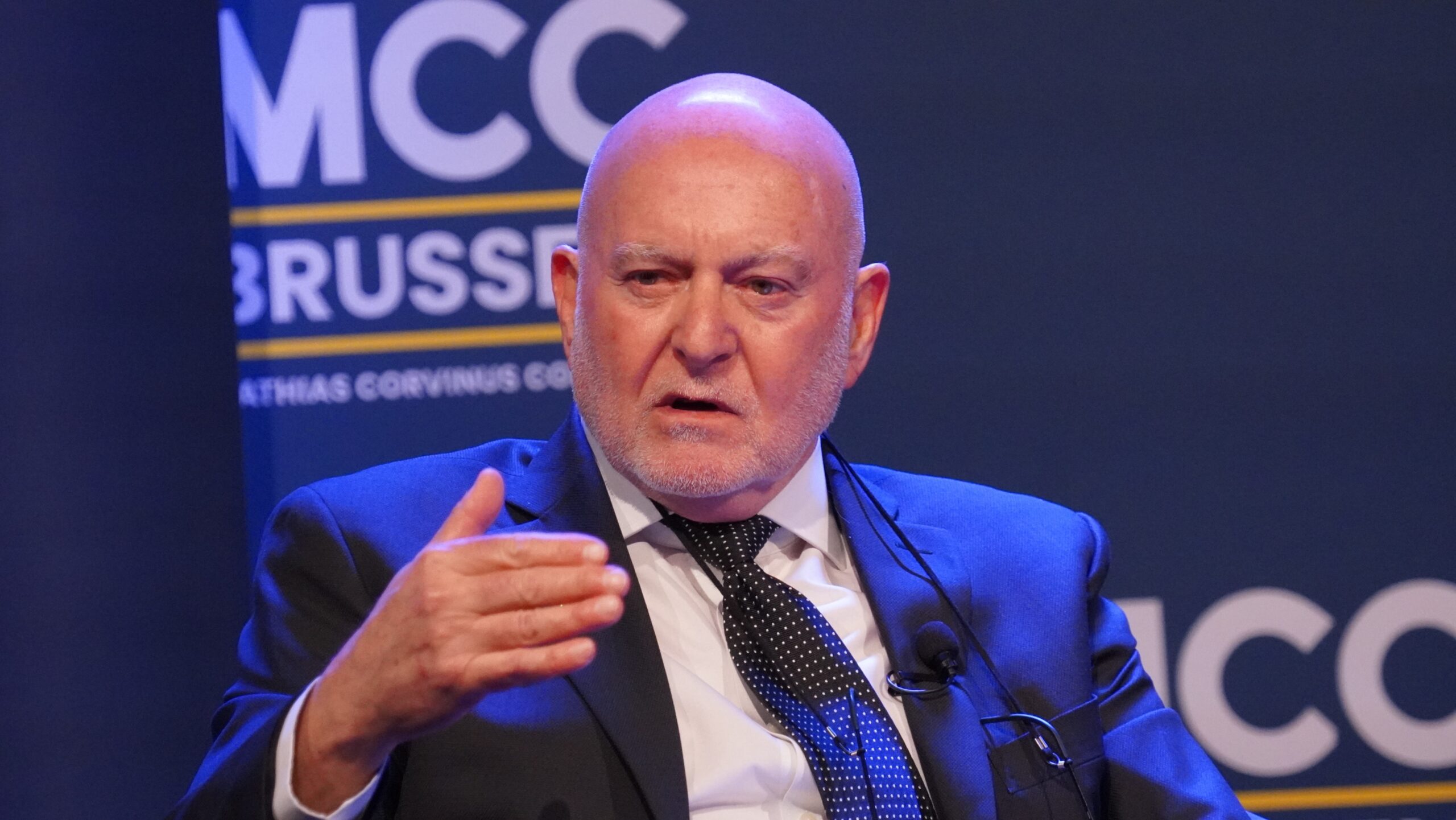
“It is no longer just about controlling the narrative, but about ensuring electoral outcomes that are compatible with institutional interests.”

In the name of ethics, Brussels is building a regulatory framework that stifles innovation and leaves Europe out of the global technological race.