

Ex-Commissioner Breton Called to D.C. as U.S. Hits Back at EU Censorship
The House Judiciary Committee considers Brussels’ regulatory model a threat and will include Nigel Farage as a confirmed witness.

The House Judiciary Committee considers Brussels’ regulatory model a threat and will include Nigel Farage as a confirmed witness.

As the Netherlands prepares for a snap election, EU regulators are ramping up pressure on major platforms to police online content, raising fresh questions about who decides what voters get to see.
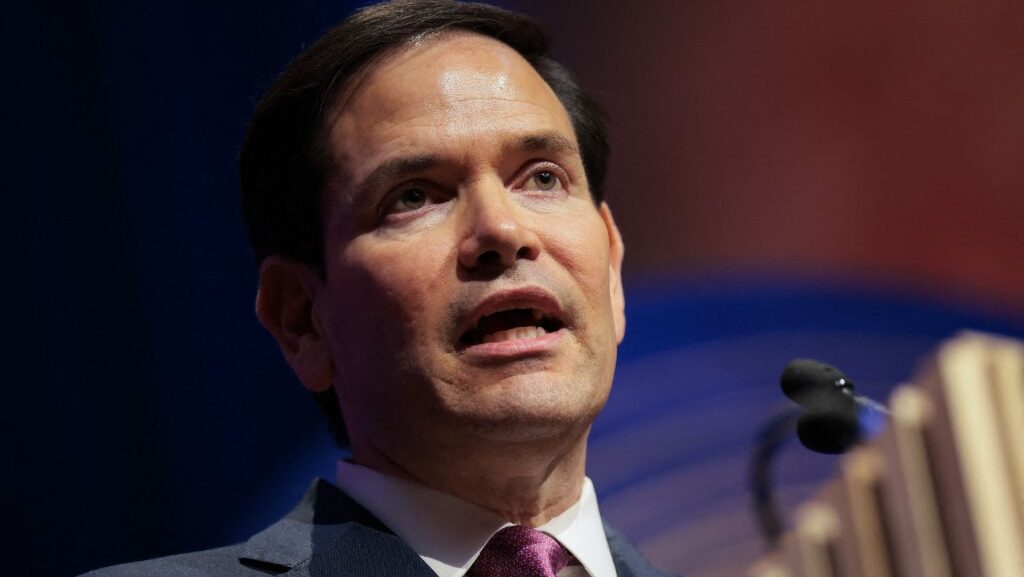
Free speech advocates in Europe are getting support from the U.S. administration in fighting the EU’s attempts at limiting online expression.

Brussels’ digital mass surveillance regime is about to get so much worse.

Eurocrats and politicians are desperately trying to convince us that there is no censorship crisis.

According to Labour MP Barry Gardiner, the law—framed as a measure to protect children—is also aimed at targeting “harmful” adult discourse online.

Intrusive age-verification checks under the UK’s Online Safety Act are the latest step towards total censorship of the web.
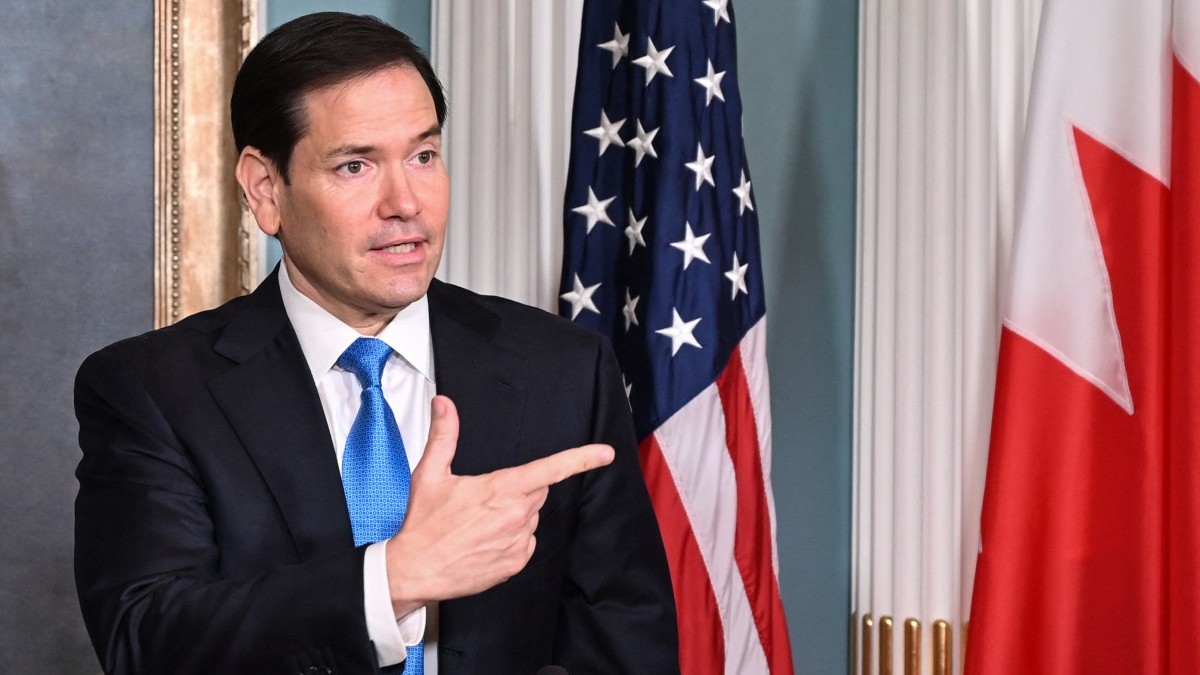
The Digital Services Act is shielding European politicians from public criticism, the DoS stated on social media.

As EU officials defend the Digital Services Act, a deeper concern emerges: the quiet convergence of state and corporate power in policing digital discourse.

“Free speech is again under threat on this continent in a way it hasn’t been since the nightmare of Europe’s authoritarian regimes just a few decades ago,” the head of ADF International said.