

Credit Crunch Spells Bad News for Europe
Europe’s banks are in credit-crunch mode. The ECB’s decision to keep interest rates unchanged is meant to help, but it also raises the white flag on inflation.

Europe’s banks are in credit-crunch mode. The ECB’s decision to keep interest rates unchanged is meant to help, but it also raises the white flag on inflation.

The Bank of England anticipates that economic policy will successfully reduce inflation by half in the British economy before the end of this year.

One of the design ideas focuses on cultural heritage. The rest either pander to our individualistic and inflated sense of self-importance through vaguely defined European ‘values’ or pick comfortably neutral topics, such as landscapes or animals.

A euro-zone membership would put Sweden on a fast track to a fiscal crisis like the one in the 1990s. That would be bad: the country cannot absorb the fallout from repeating its disastrous mistakes from back then.
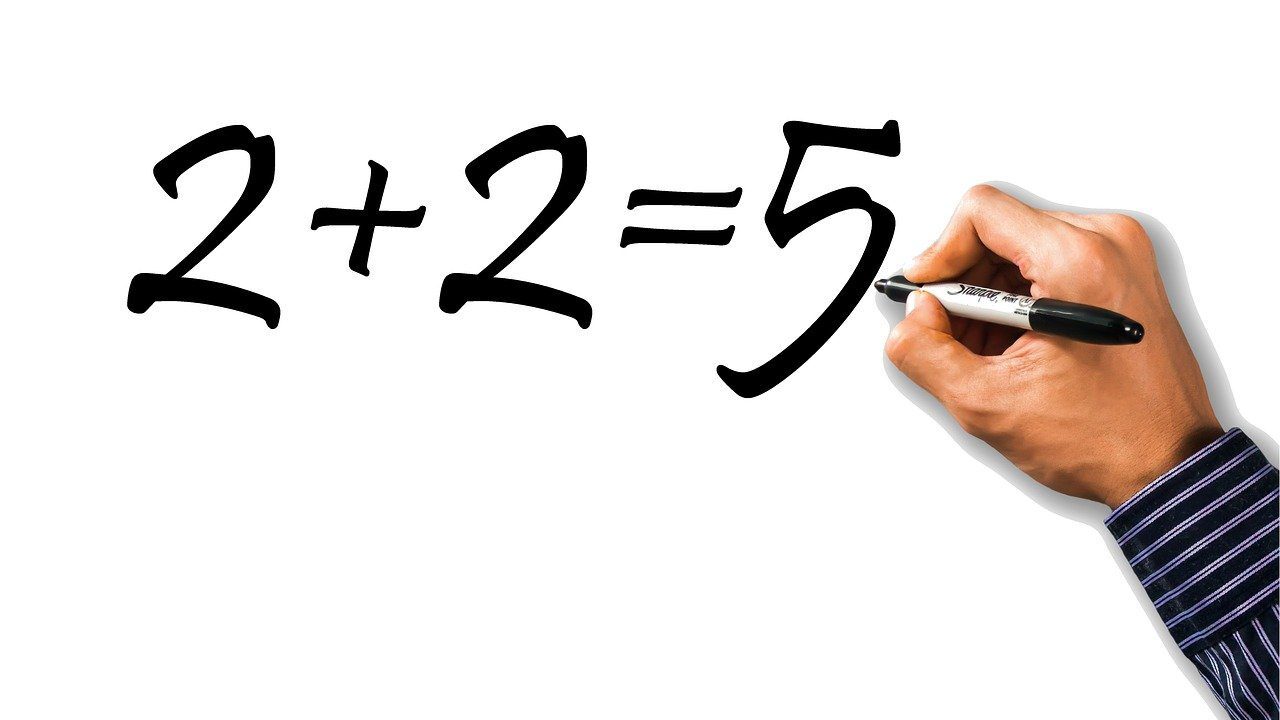
The Greek economy was almost destroyed because politicians prioritized the Greek budget deficit over the Greek economy, and because economists at the IMF were not properly educated.
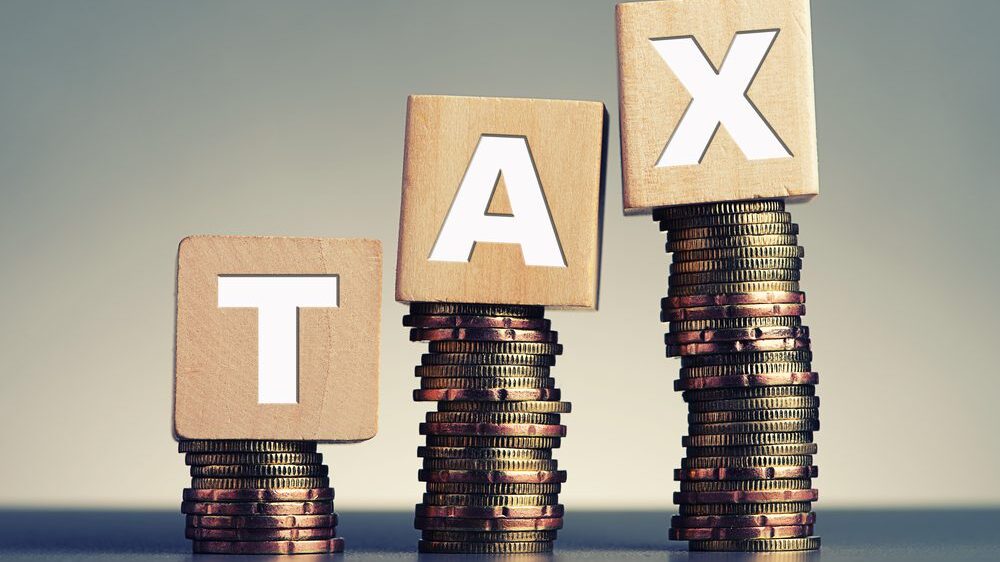
If neither wages nor energy prices can explain why the ECB is right in being concerned about persistent inflation, then what can explain it? There is a candidate that nobody wants to talk about: taxes.

According to the data and predictions of economists, the worst of the inflation spike may have passed but interest rates will still go up in the coming months and banks will be hawkish, imposing the tightest requirements for lending since 2011.

While the stars are lining up for another fiscal crisis in Europe, the ECB’s chief economist fails to even mention the threat. Is the ECB ignorant on what is coming down the pike?
With a welfare state that dominates their budgets, European governments are exceedingly vulnerable to a recession. When tax revenue declines and entitlements force governments to spend more, the inevitable result is larger budget deficits. What will the ECB do in response to that?

The expected raising of the interest rate by the ECB sent a short-term positive signal to the stock market.