
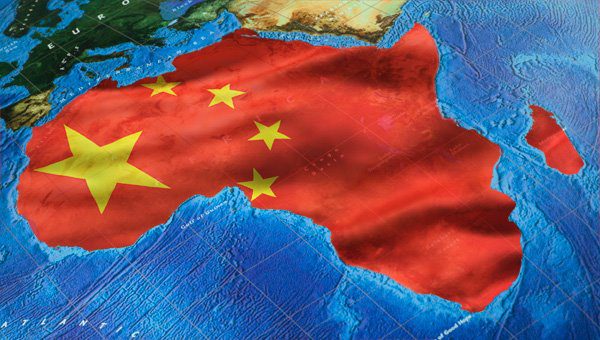
China’s African Adventure May Soon be Over
It looks like the Chinese are beginning to suffer the consequences of their own central economic planning model.

It looks like the Chinese are beginning to suffer the consequences of their own central economic planning model.

Real estate prices on the German market have been skyrocketing for years, which has led to a dangerous overrating of housing. Fragile supply chains have now made the system even more volatile.
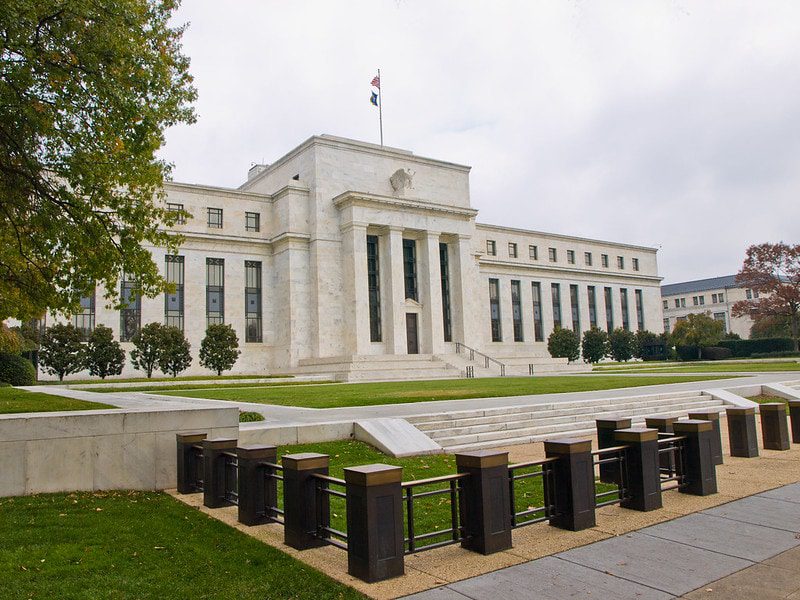
The ECB has thus far stayed committed to low, steady interest rates. But there is growing anticipation of a rate increase by the ECB during 2022.
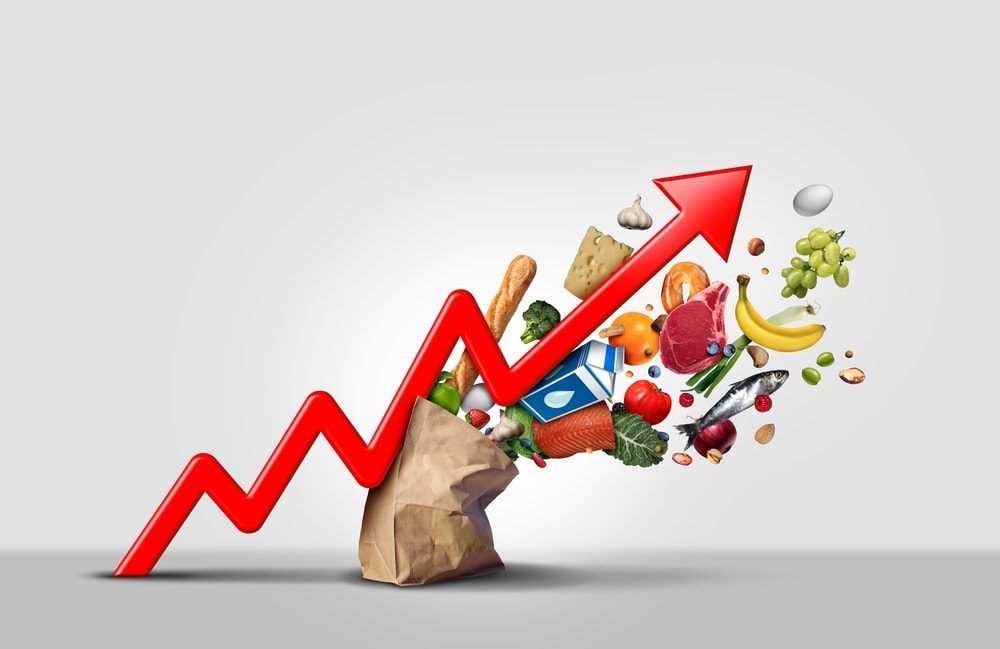
Reflecting concerns for continued high inflation, a survey of professional forecasters published by the ECB showed a considerable 1.1 percentage-point rise in expected euro-zone inflation for the first quarter of 2022.

The ECB predicts that for the first three months of 2022, euro-zone inflation will be 3.0%. With 5.1% in January, for their forecast to become reality, a sharp deceleration in consumer prices will have to take place in February and March.

The Spanish center-right Partido Popular (PP) has complained that the socialist-led government is overwhelmingly directing European funds to municipalities governed by its party, in what seems to amount to systematic political discrimination.
Despite the strong growth rates in the 4th quarter, the European economy has only barely recovered from the pandemic.

Government has a negative impact on the economy through spending, taxes, and its budget deficits. The most hard-hitting impact does not come through taxes, as conventional wisdom suggests, but through spending—spending governed by ideological preferences, which determine what money is spent, where, and when.
Two factors contribute to the decline in the consolidated budget deficit: the tapering of pandemic-related stimulus spending and the gradual return of economic activity to pre-pandemic normal.

The euro itself is only part of the failure. An entire structure of government institutions, laws, and even constitutional provisions were erected around it in order to secure its success. It all looked impressive two decades ago; today, the structure itself, from the European Central Bank (ECB), to the so-called Stability and Growth Pact, is a package of sordid evidence that even under democratic governments, central economic planning is a bad idea.