

Stagflation Still a Threat to Europe
The twin villains of high inflation and high unemployment have not left Europe. They are just taking a nap under a pile of moderately optimistic economic data.

The twin villains of high inflation and high unemployment have not left Europe. They are just taking a nap under a pile of moderately optimistic economic data.
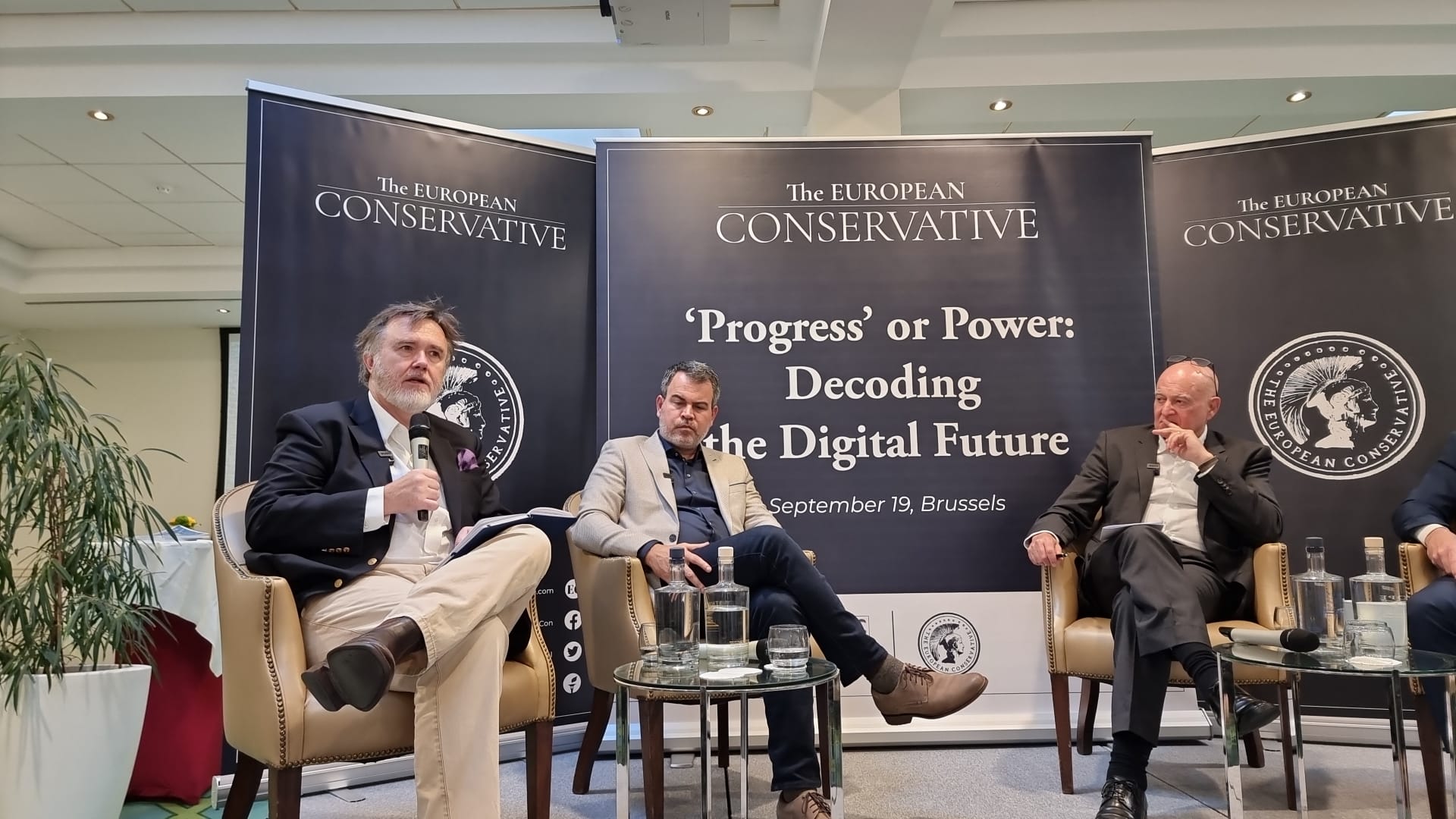
“I love being a human—and we’re losing our humanity.”

Europe is stuck in unending economic stagnation. Everything suffers, from family budgets to health care to green policies. But there is a way back to growth and prosperity.

Fewer people think that inflation and the war are the biggest challenges facing the EU, while considerably more pointed to migration than six months ago, according to the Commission’s latest EU-wide survey.
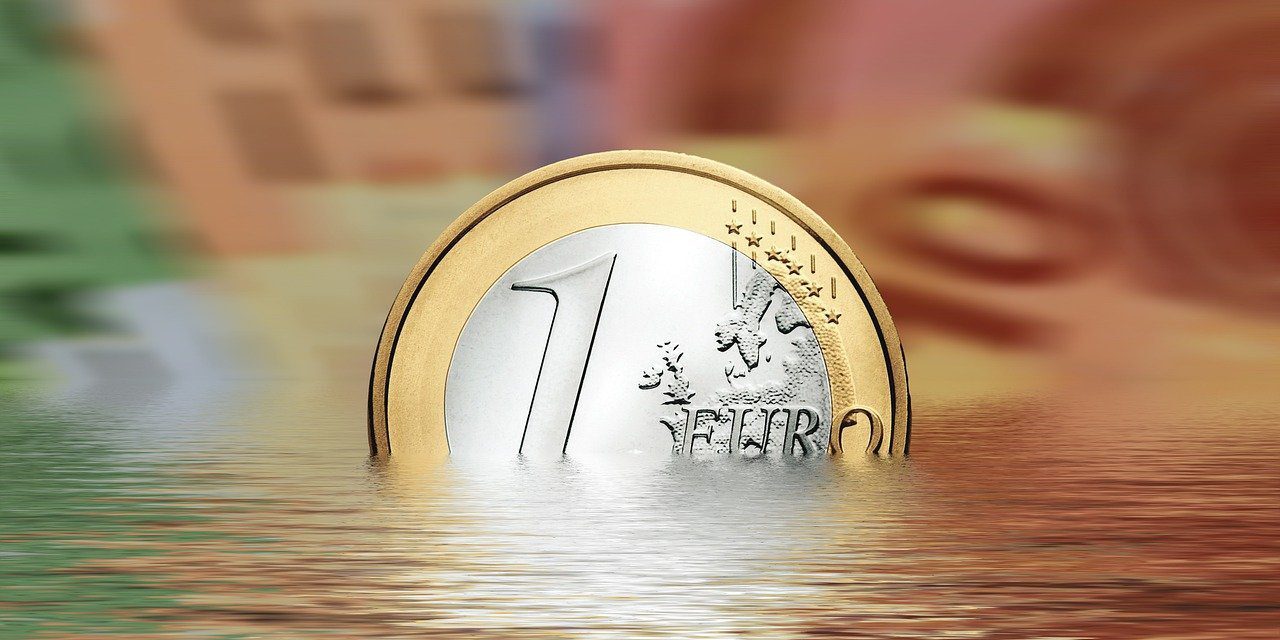
If Sweden were to join the euro, its economy would be less unstable, but more stagnant. The situation for Swedish households and domestic-oriented businesses would go from bad to worse.

One day, a government official will announce that the stories are indeed true: his government has for decades been in possession of alien vessels and alien technology. That day will mark the beginning of the galactic era for humanity.

Judging from the comments by central bank president György Matolcsy, Hungary could join the euro in 2030 or soon thereafter. Would such a membership be good for Hungary?

“Maybe it is not too late to wake up and save the EU economy from another unbearable burden with the worst possible timing.” —Enikő Győri
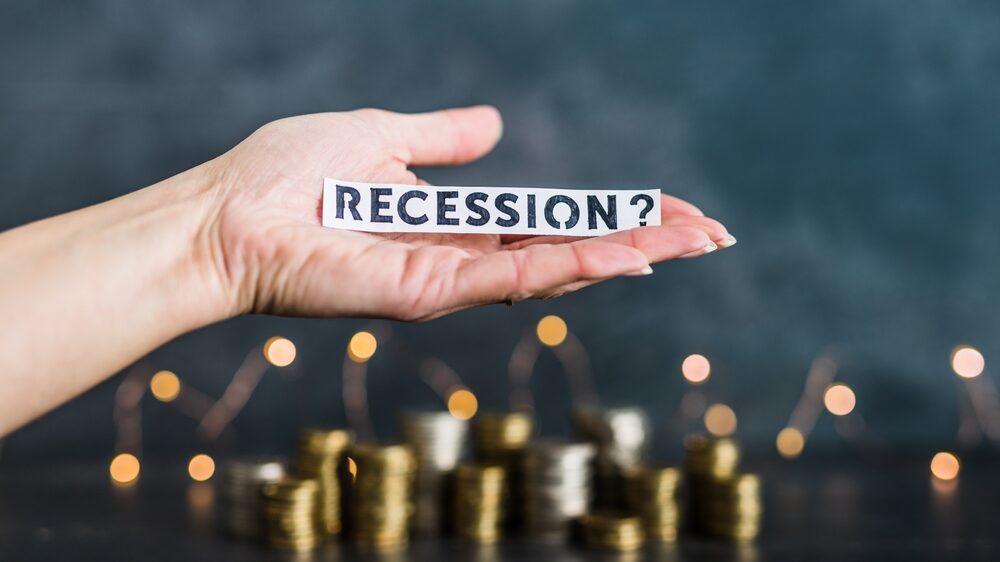
Based on Eurostat numbers, it is inaccurate to declare the German economy in recession.

According to the data and predictions of economists, the worst of the inflation spike may have passed but interest rates will still go up in the coming months and banks will be hawkish, imposing the tightest requirements for lending since 2011.