The Anti-European Commission
In its toxic cocktail of war mania and pathological hatred of Orbán, the EU is betraying its very purpose—and obliterating trust in itself.

In its toxic cocktail of war mania and pathological hatred of Orbán, the EU is betraying its very purpose—and obliterating trust in itself.

Budapest warns that the blocked access endangers the energy supply to Hungarian families, prompting the PM to demand immediate action from Kyiv.

Four years into the war, we are facing a reality where the EU is attacking its own members, Slovakia and Hungary, while still caressing a non-EU member, Ukraine.

A small state can leverage its geography, diplomatic credibility, and regional expertise to strengthen Europe’s strategic role in one of the world’s most complex geopolitical arenas.

The Danish government has set up a framework to investigate the risks and benefits of new nuclear technologies.

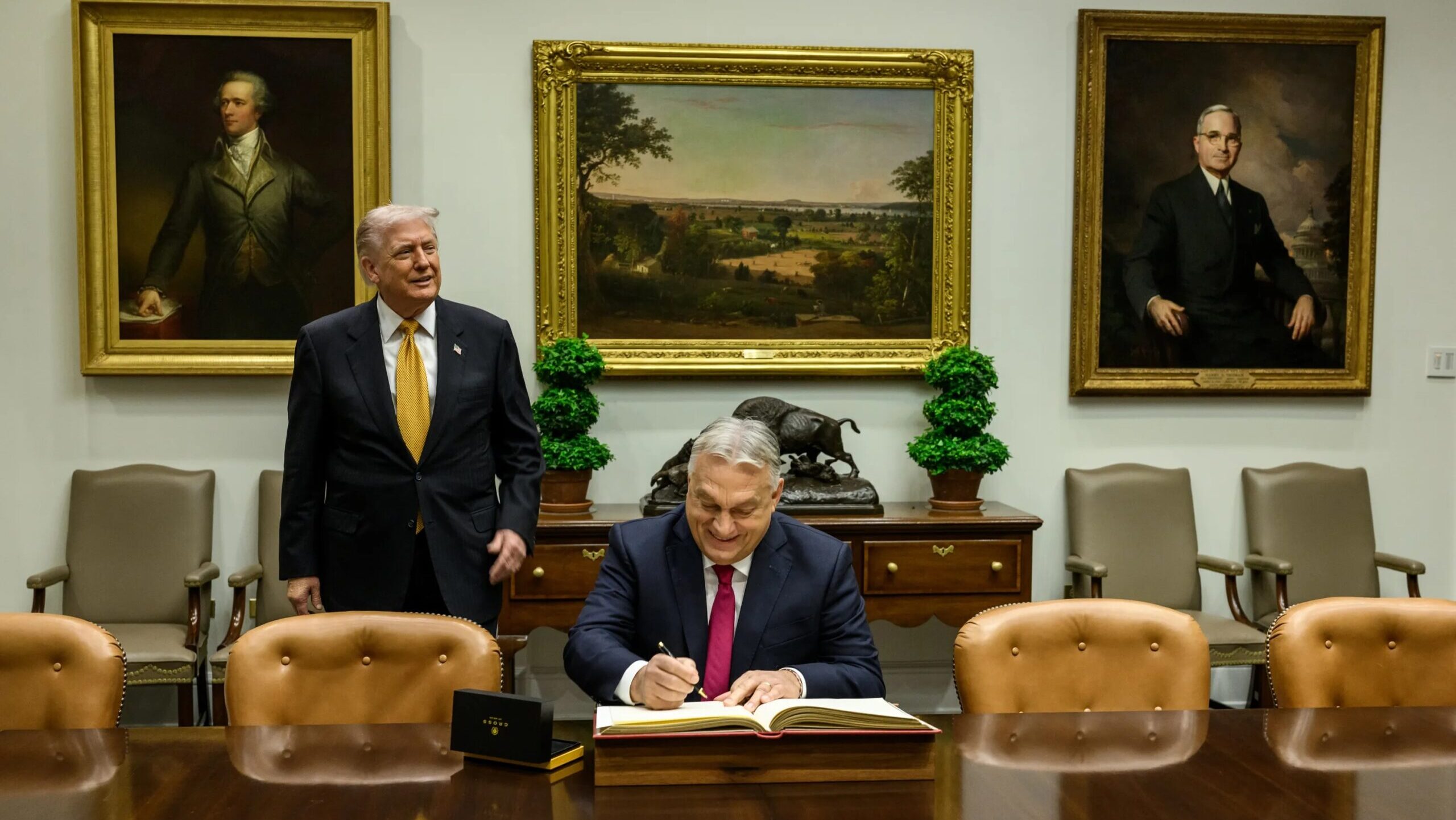
The pact includes $20 billion in nuclear projects, new U.S. gas routes, and $700 million in defense cooperation.

The Washington meeting marks a decisive moment for Budapest, combining energy independence with renewed transatlantic partnership.

“Hungary will continue to have the lowest energy prices in Europe,” PM Viktor Orbán said.

The pipeline bombings were intended to pressure Budapest over stalled EU talks. Now Kyiv downplays the risk—while attacking a country supplying nearly half of its imported electricity.

Foreign Minister Péter Szijjártó has questioned why the EU has not upheld its commitment to protect energy security.