
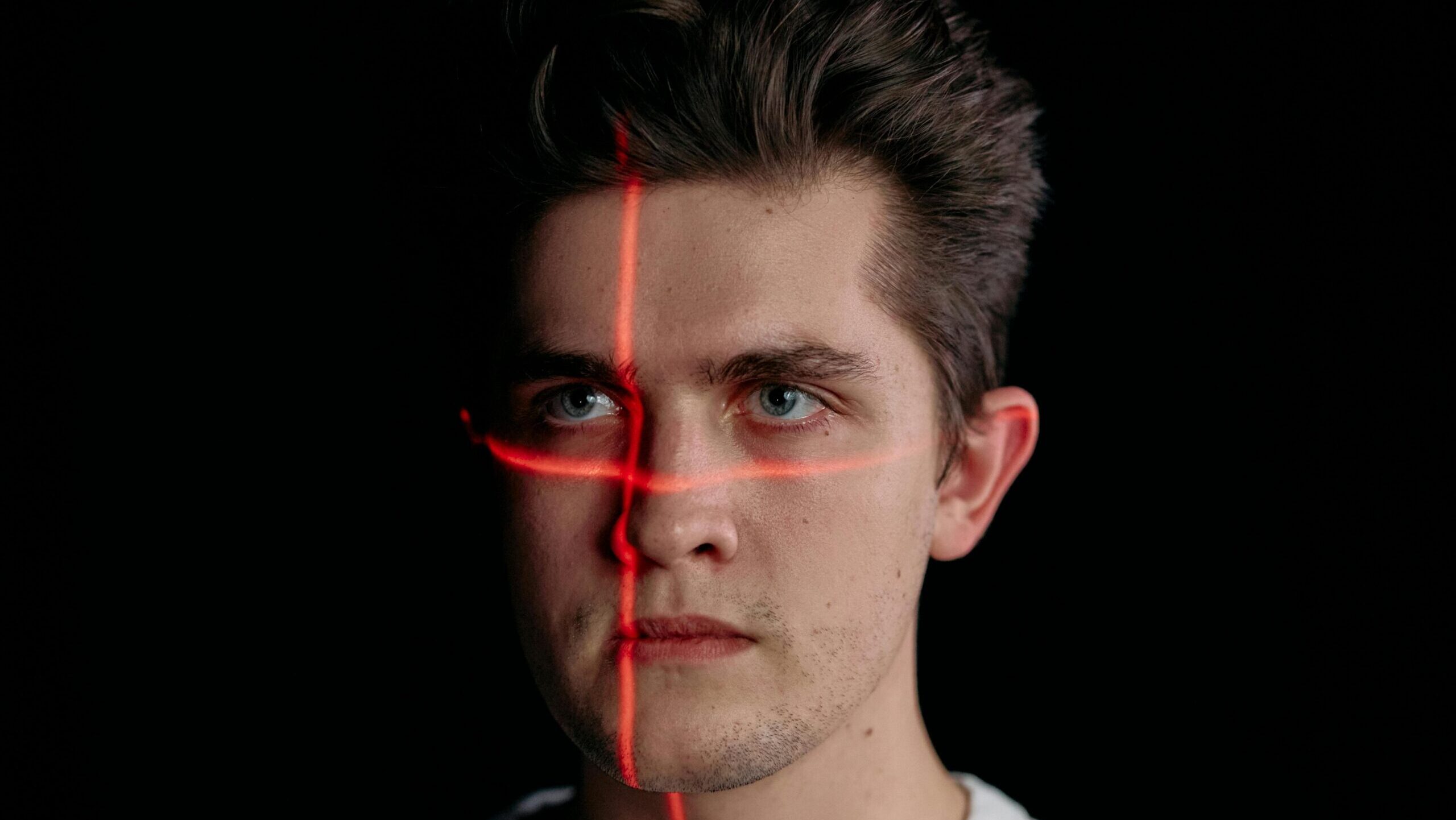
Brussels’ High-Tech Border System Is Creating Real-World Delays
The same European Union that spent years claiming to champion privacy and data protection now requires millions to hand over biometric data just to legally cross a border.

The same European Union that spent years claiming to champion privacy and data protection now requires millions to hand over biometric data just to legally cross a border.
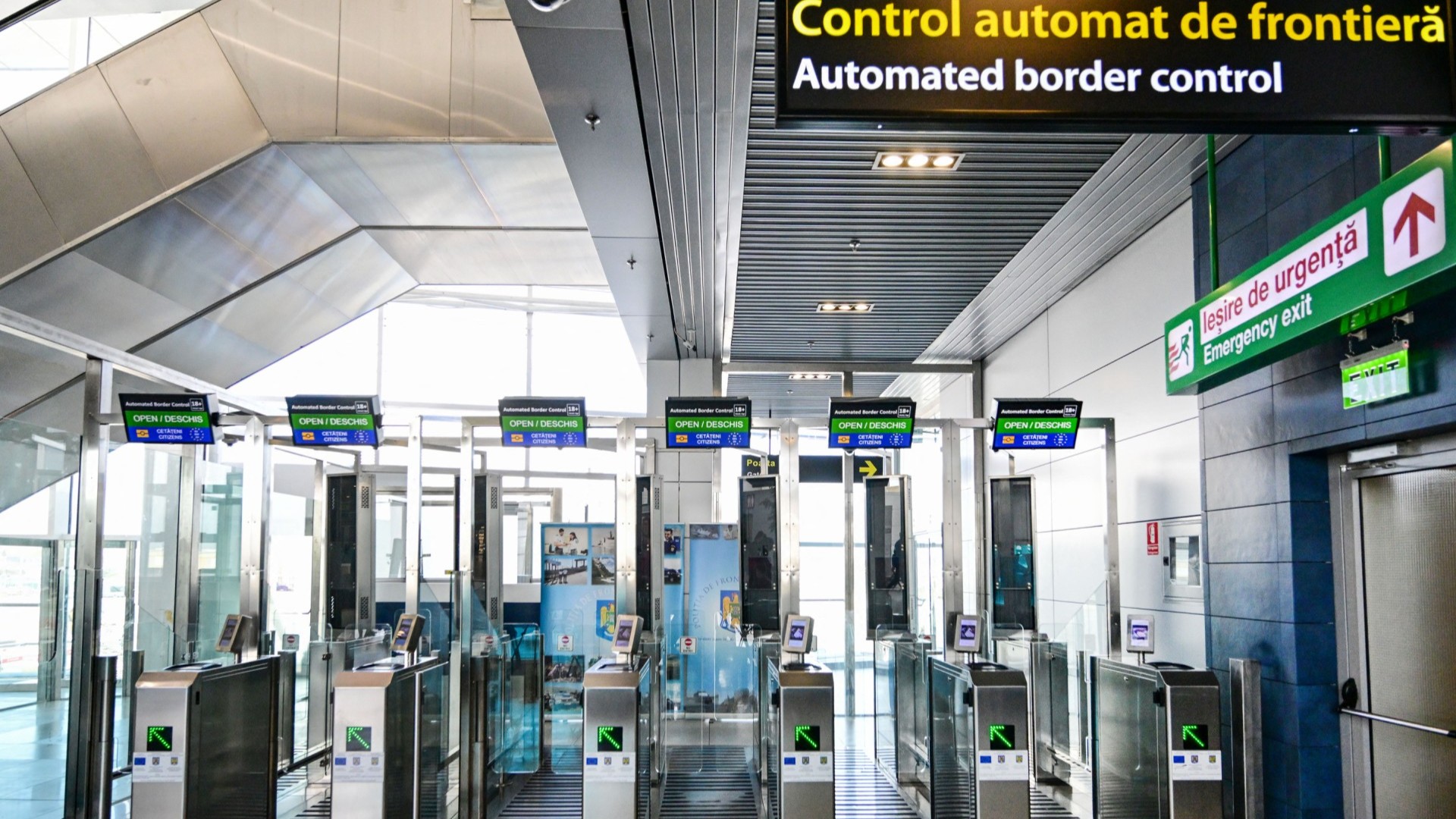
The new Entry/Exit System (EES) requires non-EU travellers to register fingerprints, a facial photograph and passport details when entering the Schengen Area.
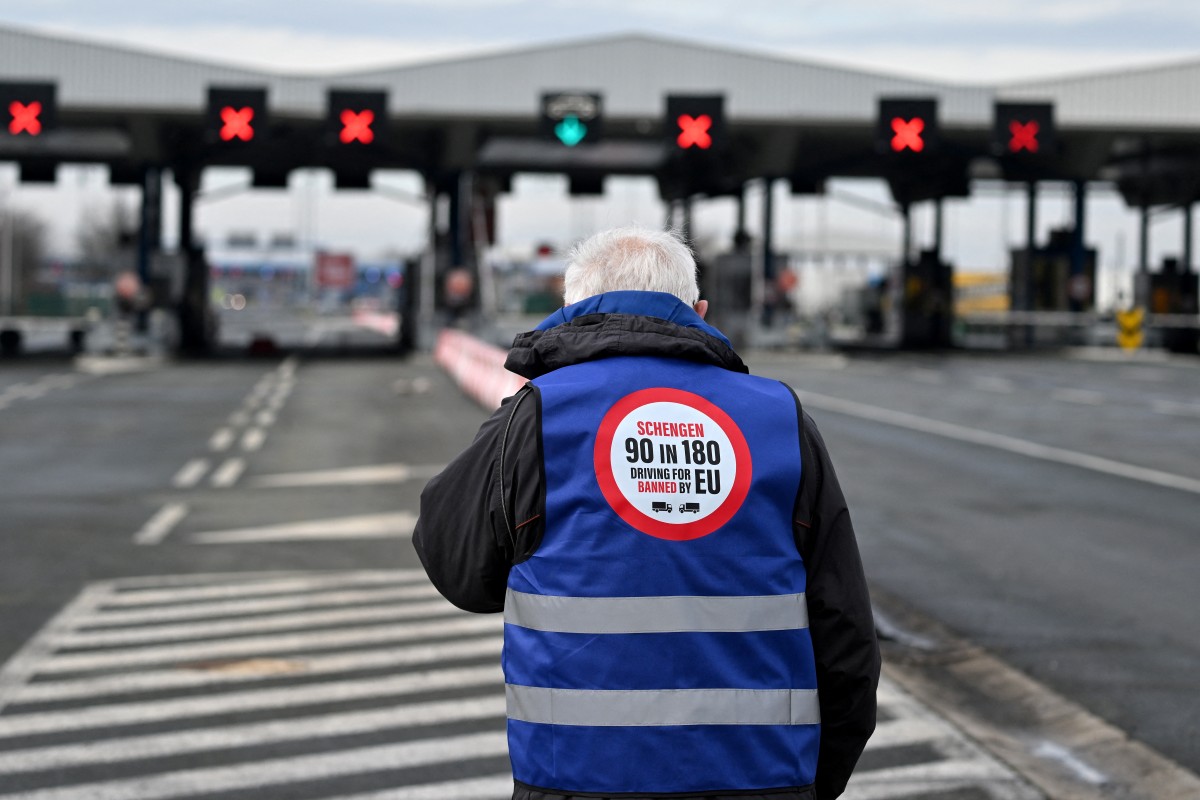
Checkpoints across Bosnia, Montenegro, and North Macedonia are blocked, with Serbian crossings also affected.

The EU’s new biometric border system goes live this October, ushering in a new era of surveillance, automation, and questions about privacy and freedom of movement.

Facial scans, fingerprints, and automatic tracking will replace manual checks for non-EU travellers under a new Schengen-wide border regime.
The advanced digital technology allows for better cooperation between member states and stricter control over letting dangerous individuals into the Schengen area.
Traditional passports will be replaced by registering travelers digitally along with their fingerprints, photo, and passport details.