
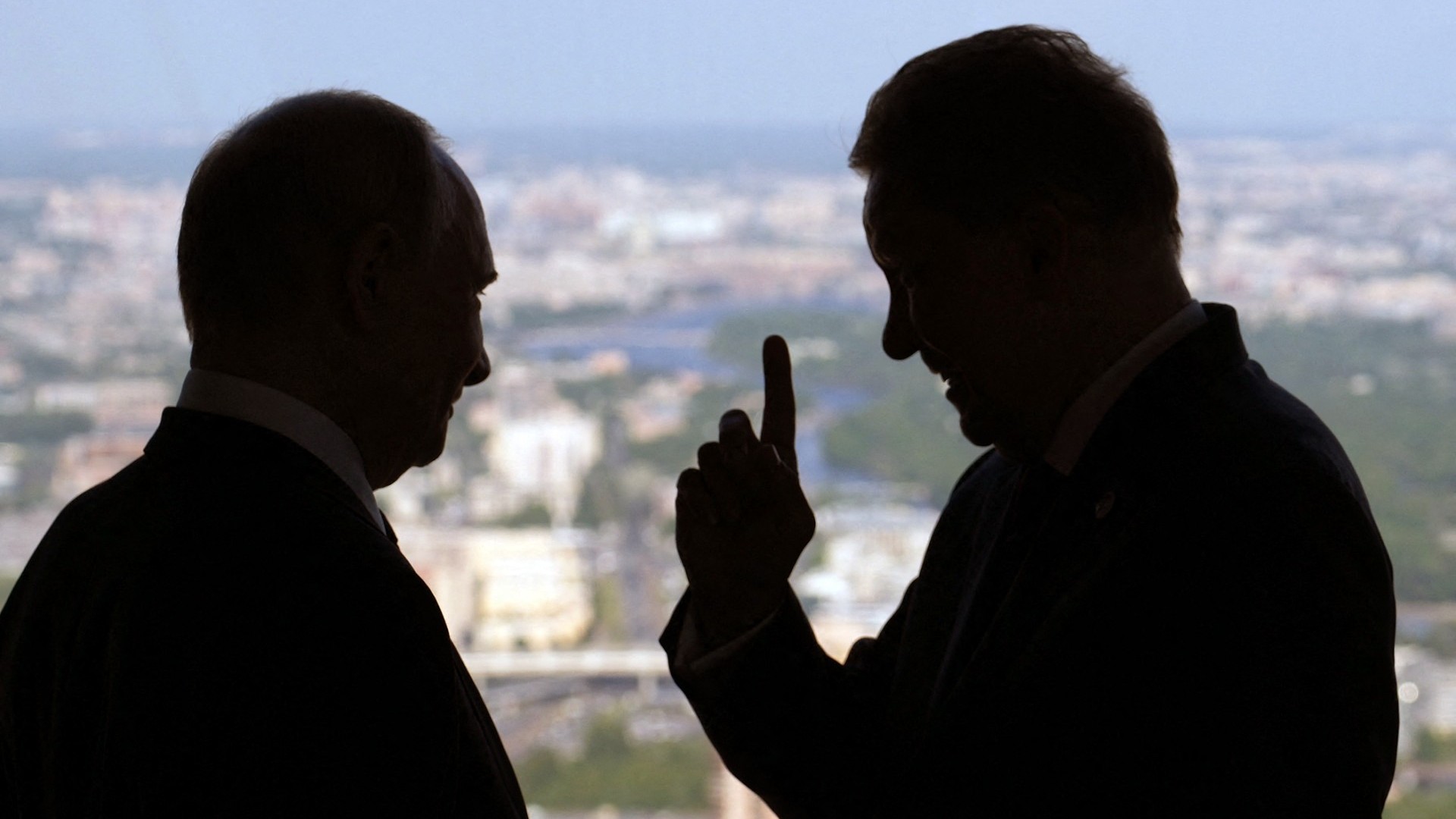
Russia Is Bad, But Its Energy Is Welcome?
Since the outbreak of the war, EU countries have purchased Russian fossil fuels worth €21.9 billion, more than the aid allocated to Ukraine.

Since the outbreak of the war, EU countries have purchased Russian fossil fuels worth €21.9 billion, more than the aid allocated to Ukraine.

While many other EU countries are considering a ban, concerns arise about the EU’s increasing control over the narrative online.

European officials are escalating the rhetoric while even some big mouths in Russia appear to be toning it down.

Hungary has neither sent nor will send drones to Ukraine, says Orbán, dismissing claims of airspace violations.
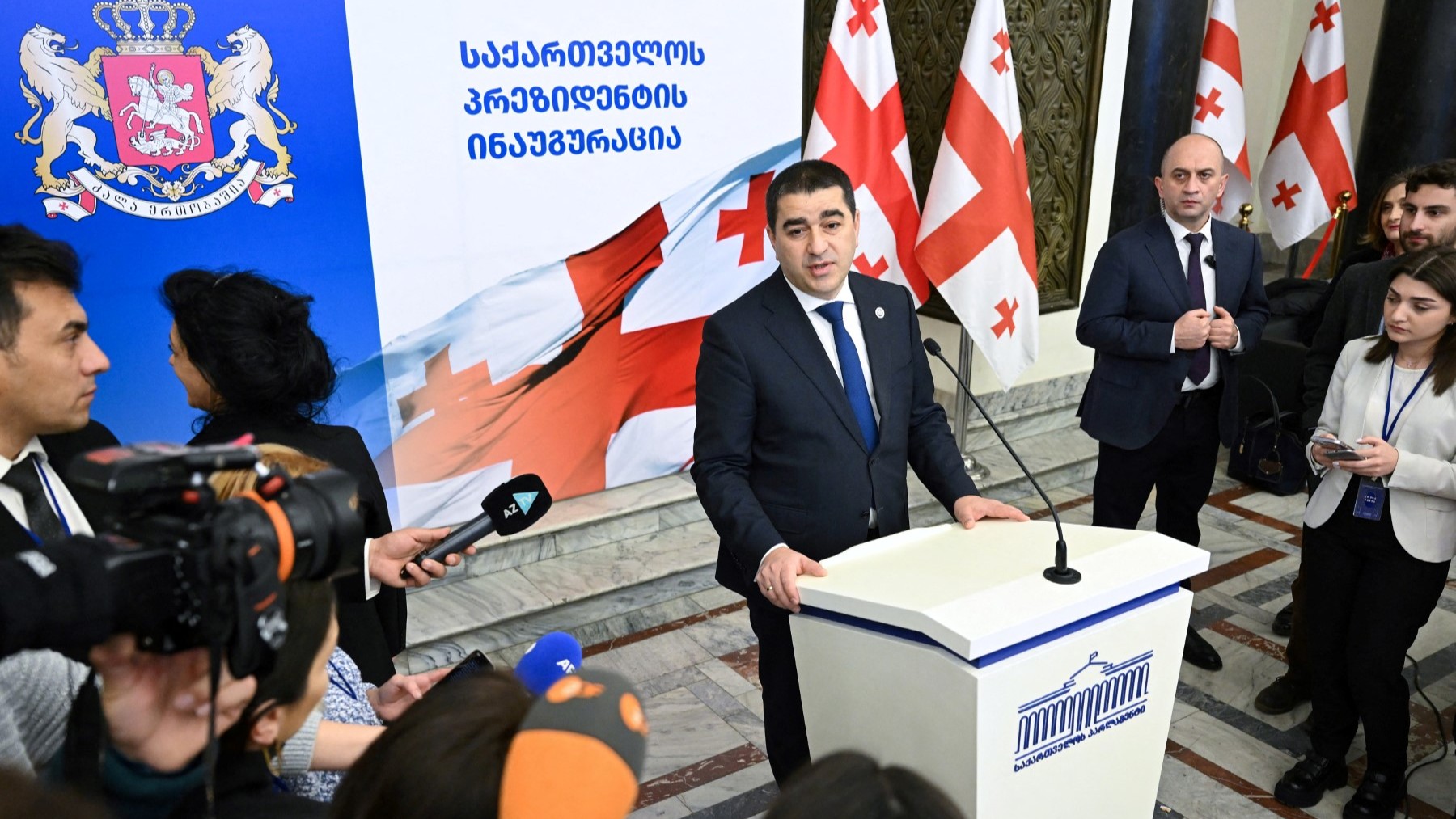
“Slovakia has taken a significant step towards restoring European values within the European Union. Common sense must prevail everywhere,” Papuashvili emphasised.
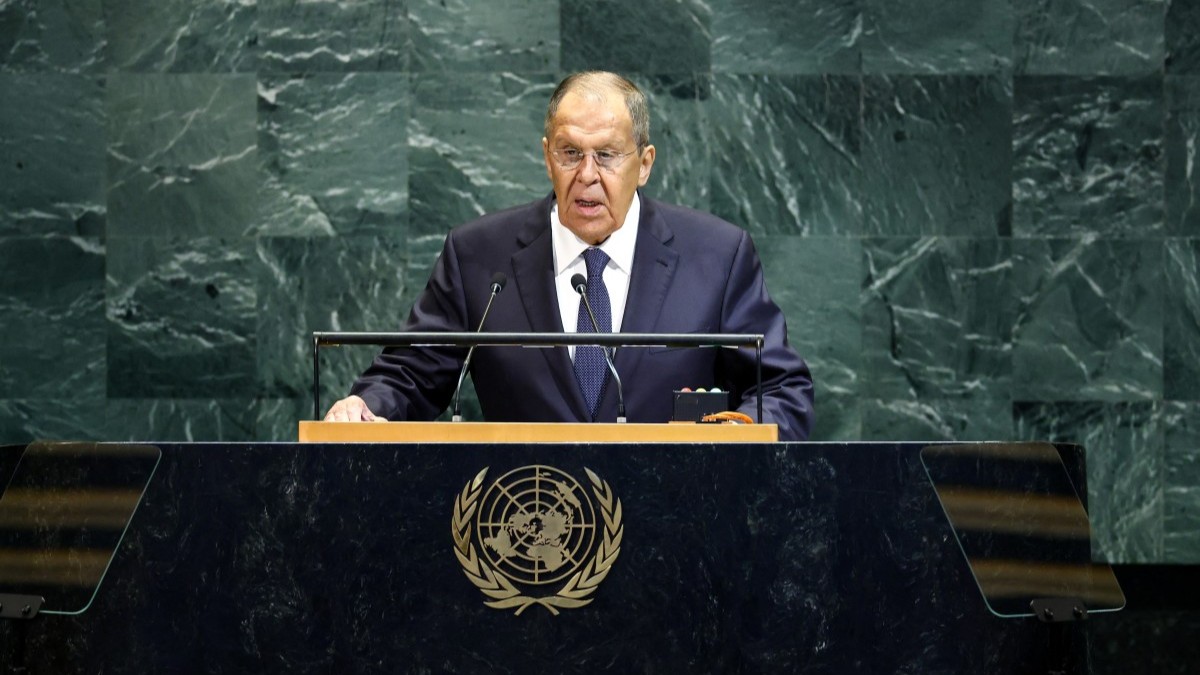
Russian Foreign Minister Sergey Lavrov delivered his strongest warning yet to NATO countries at the UN General Assembly on Saturday.
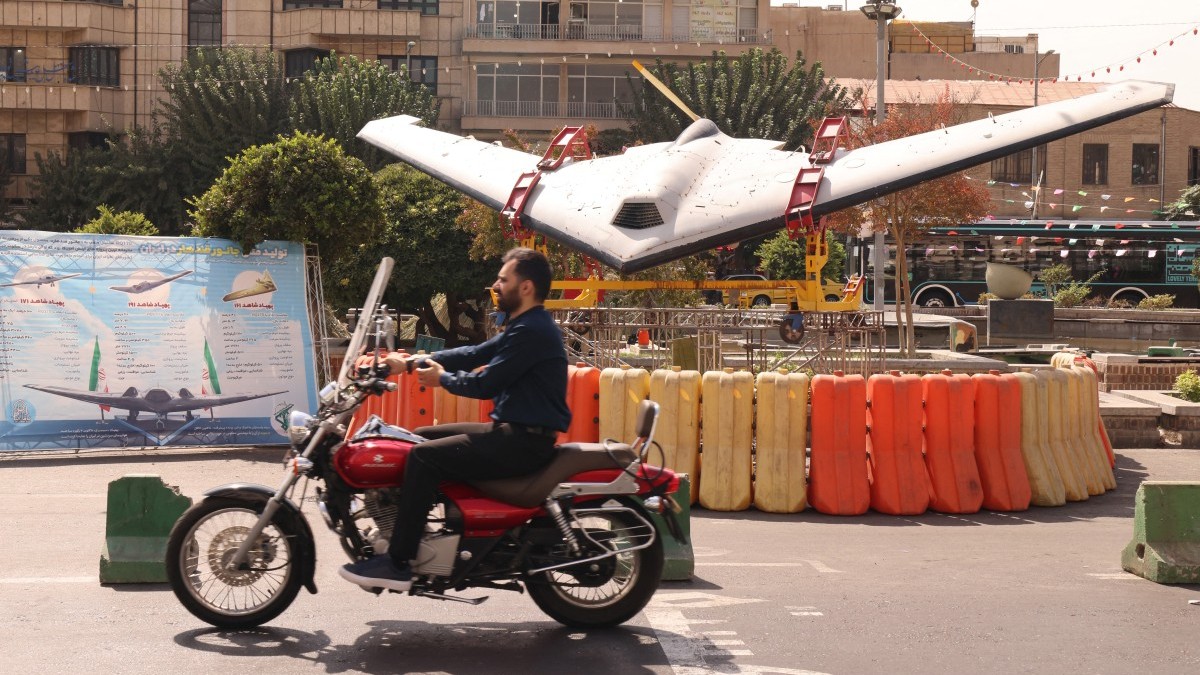
Tehran also vowed a “firm and appropriate response” to the sanctions, and urged countries “not to enforce it.”
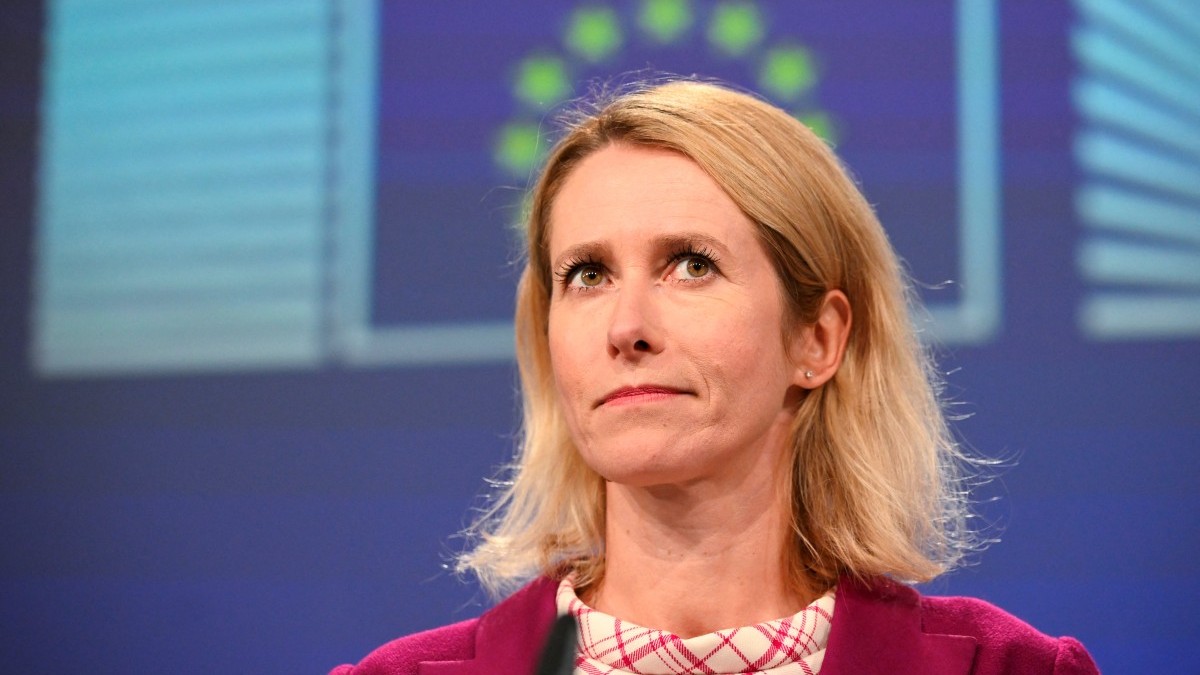
Talks centre on a free trade agreement, but India’s close links to Moscow are blocking progress on closer cooperation with Brussels.

Ahead of his UK visit, Donald Trump calls on EU and NATO countries to break with a key fossil fuels supplier—while warning that Ukraine is in serious trouble.
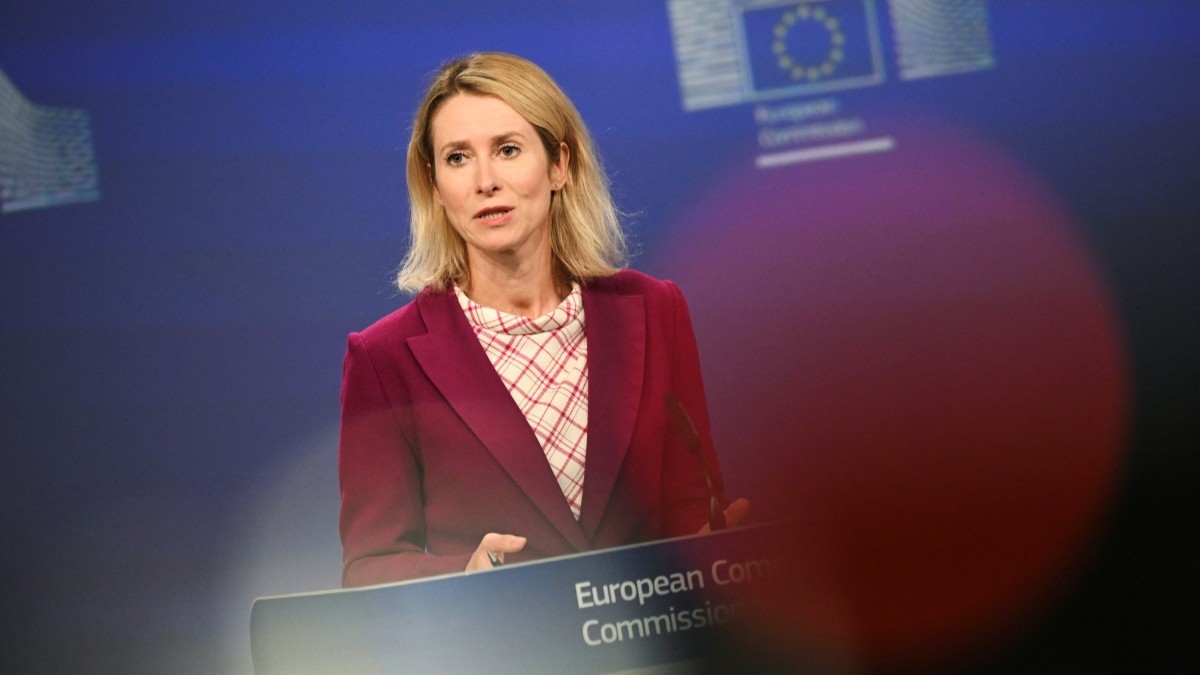
Kaja Kallas said the move would come at a high cost for Israel.