

ECB Rate Cut Aimed at Debt-Drowning Member States
In a stunning admission, the central bank concedes that more public debt is the only path to more economic growth in the euro zone.

In a stunning admission, the central bank concedes that more public debt is the only path to more economic growth in the euro zone.
Nearly half of Bulgarians oppose the move, fearing inflation and loss of economic sovereignty—but EU elites push ahead anyway.
The Prague government is reviewing national preparedness to join the eurozone—while ruling it out in practice, for now.
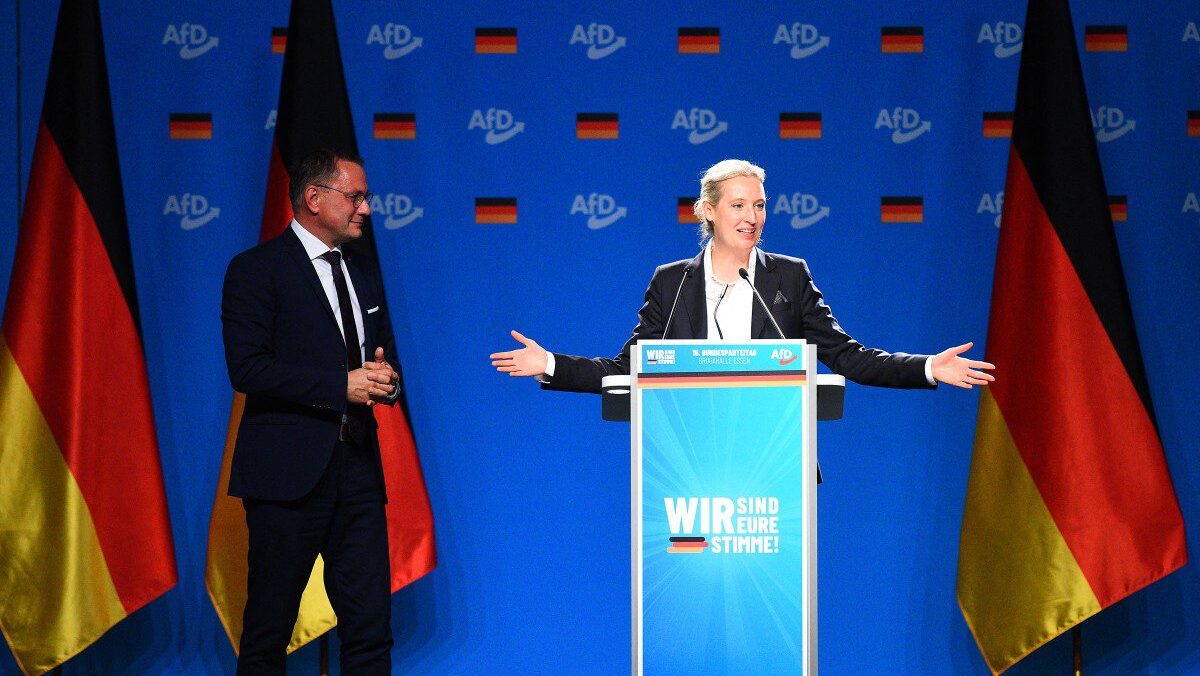
The party wants to pull Germany out of the EU, the euro, and the Paris Agreement.

The Hungarian economy has a lot going for it, but can it handle a big budget deficit and high inflation?

One of the design ideas focuses on cultural heritage. The rest either pander to our individualistic and inflated sense of self-importance through vaguely defined European ‘values’ or pick comfortably neutral topics, such as landscapes or animals.

Judging from the comments by central bank president György Matolcsy, Hungary could join the euro in 2030 or soon thereafter. Would such a membership be good for Hungary?
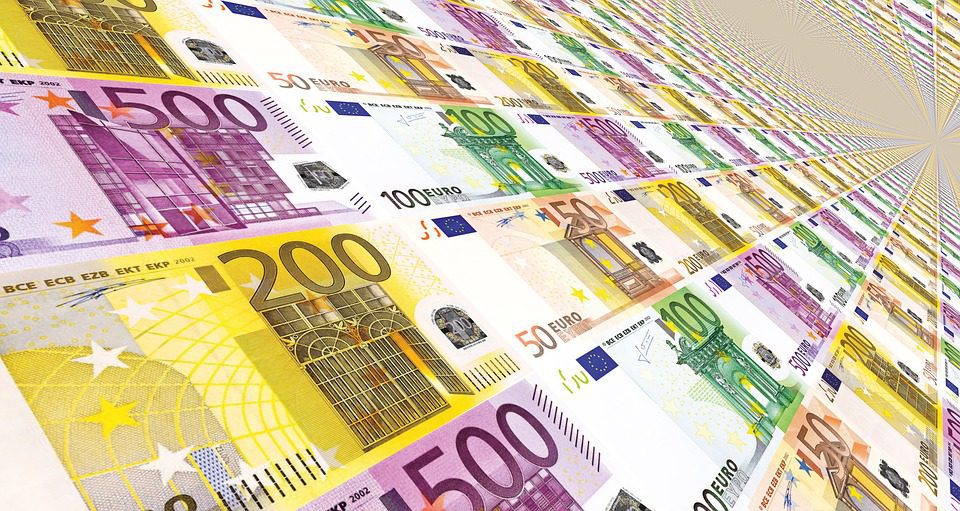
Only imaginary landscapes and monuments are depicted on banknotes, in order to have common visuals and not to privilege one national culture over another—now questionable choices in terms of monetary security.
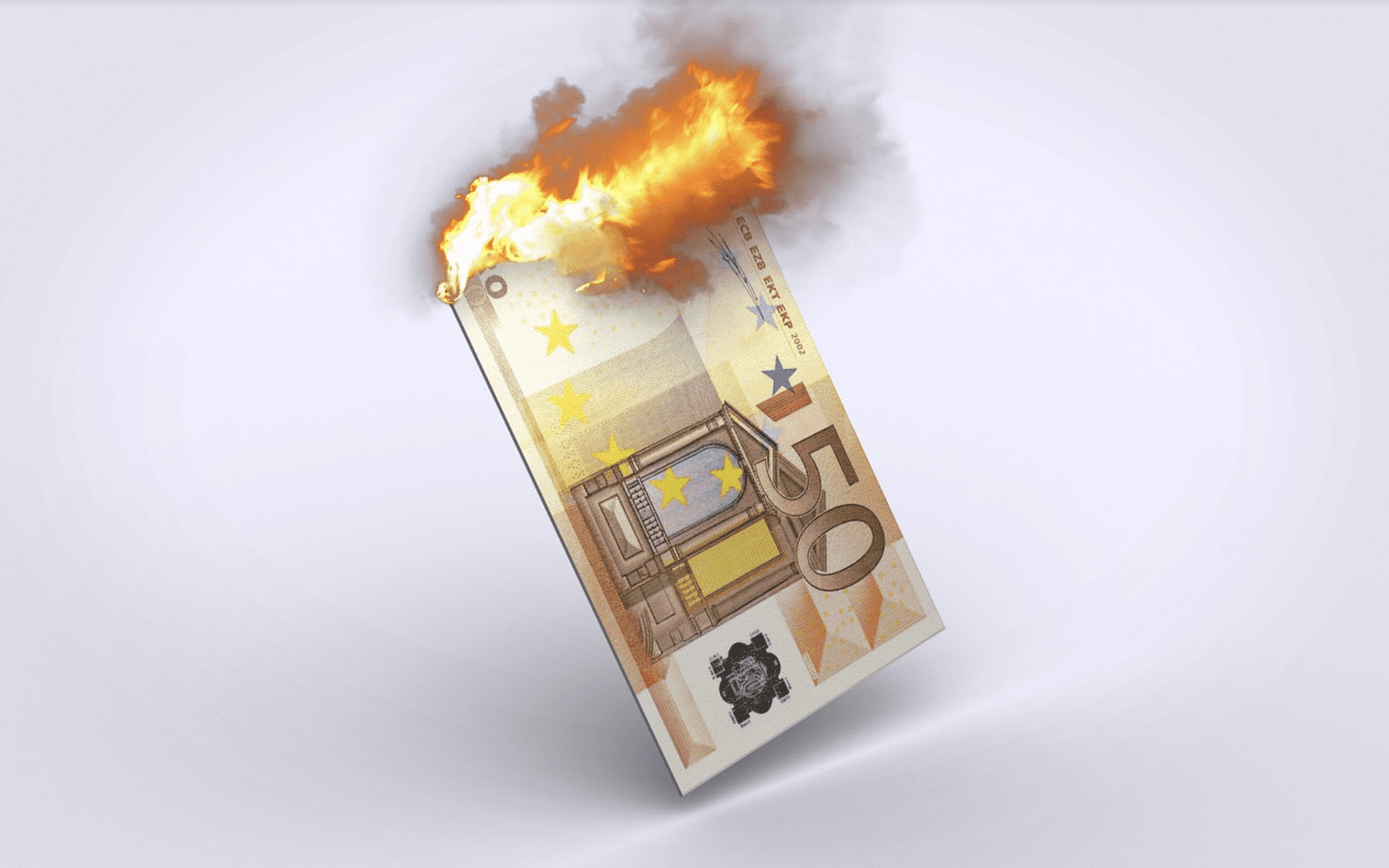
Euro zone inflation, which peaked at 9.1% in August, has reached its highest point since the introduction of the euro in 1999. Amidst fears of entrenchment, the ECB is preparing a major hike in interest rates that may also slow down the economy.

In the first quarter of this year, the euro area ran a combined trade and financial deficit vs. Russia of €-26 billion. Only the deficit vs. China was bigger, at €-38.8 billion.