

Central Banks Raise Interest Rates Again
The Federal Reserve and the European Central Bank both foresee having to continue raising interest rates significantly to roll back inflation to 2%.

The Federal Reserve and the European Central Bank both foresee having to continue raising interest rates significantly to roll back inflation to 2%.
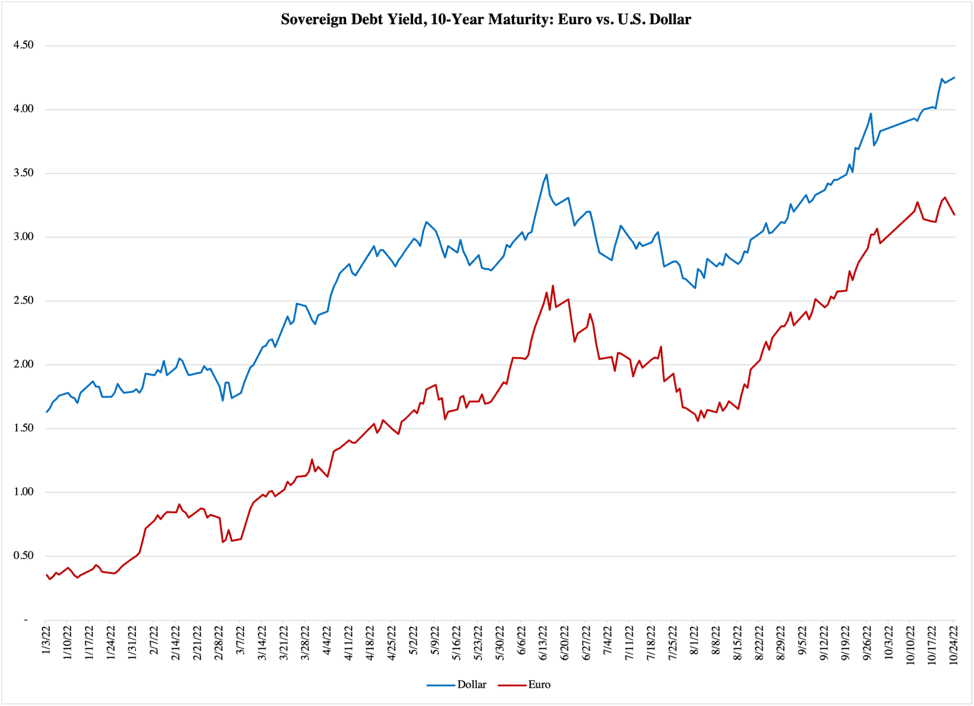
Inflation is of major concern, according to the ECB.

When a currency depreciates, it can lead to a self-reinforcing outflow of capital—especially when the depreciation is unprecedented. The euro has never been this weak against the dollar.

Government officials have carefully ignored the need for more fiscal conservatism. Looking at the threat of a new debt crisis, investors and taxpayers alike expect nothing more spectacular from their current leaders than a new round of put-out-the-fire austerity packages.

When the ECB raises interest rates, all other things equal it increases demand for euros on the global foreign-exchange market.

In the first quarter of this year, the euro area ran a combined trade and financial deficit vs. Russia of €-26 billion. Only the deficit vs. China was bigger, at €-38.8 billion.

There are more signs of a possible new debt crisis in Europe.
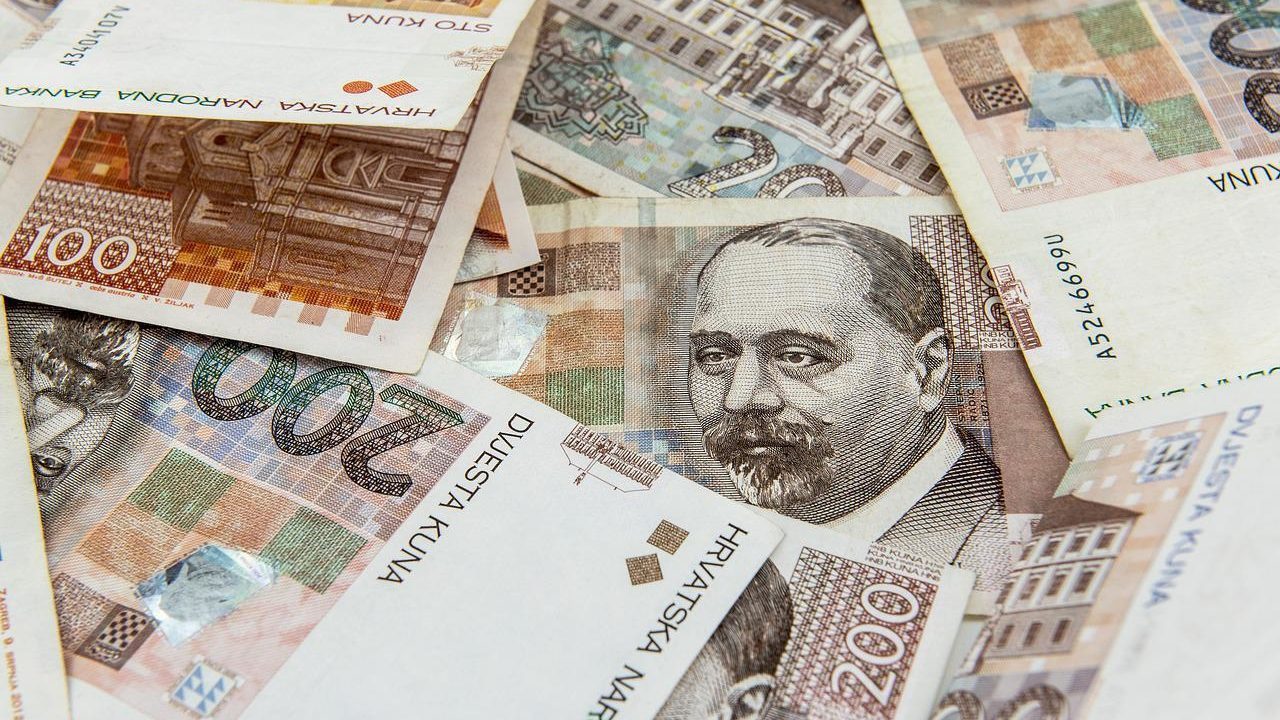
As Croatia’s lawmakers enter the final stretch toward euro membership, it is essential that they understand exactly what happened in Greece, and why. In five short years, 2009-2014, the Greek economy imploded: one quarter of it vanished. This was a direct result of the austerity packages that the EU and the ECB forced upon the government in Athens. What will Croatia do to avoid ending up in the same trap as Greece?

A new debt crisis looks unavoidable. There is practically no interest in fiscal reforms across Europe, leaving the continent vulnerable to a destructive downward spiral of rising interest rates and structural budget deficits.

In its press release, the ECB reports that bank credit to euro-area residents grew at 5.9% in March.