
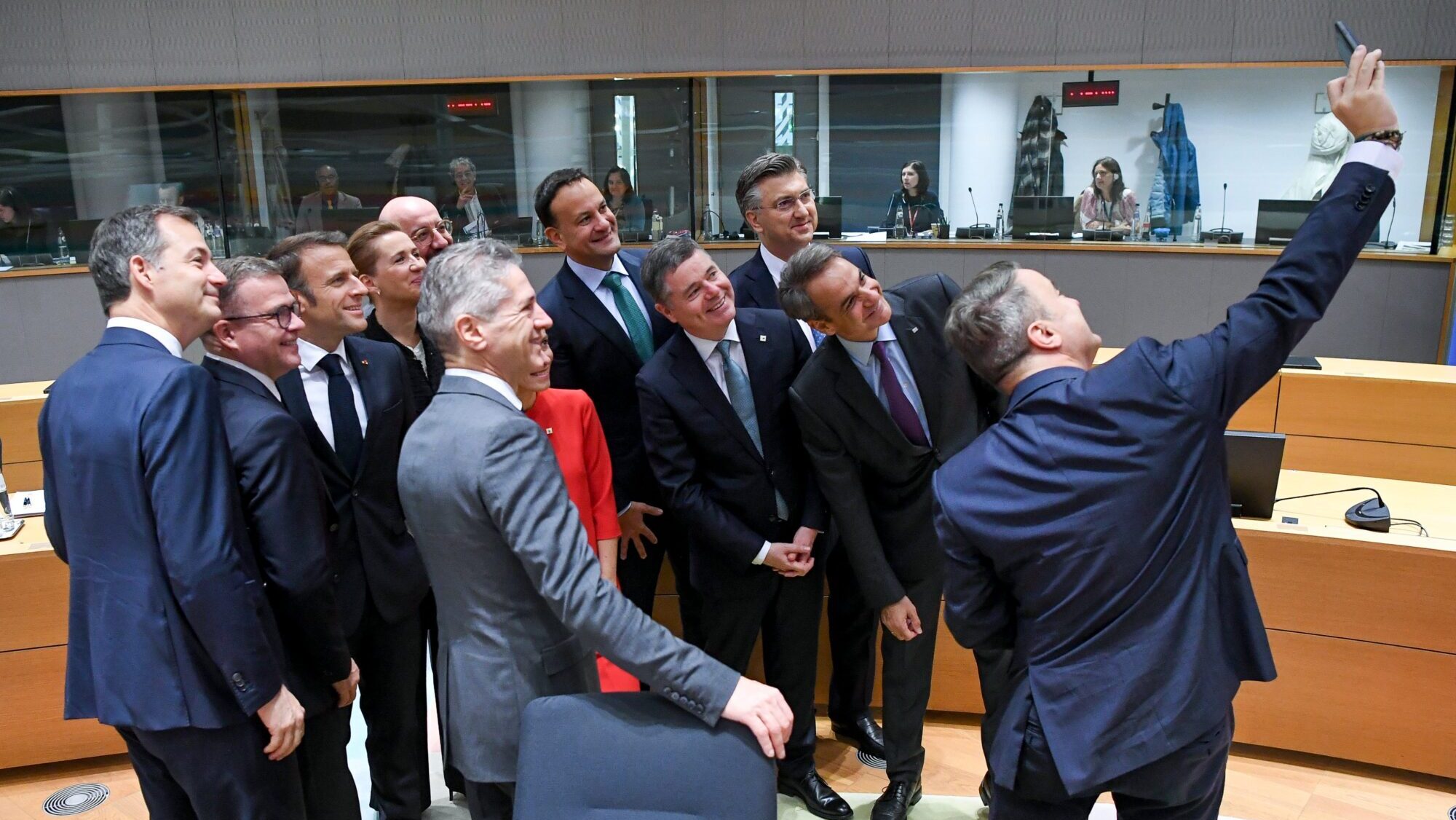
EU Foreign Policy Summit Sees Demands to Limit Ukraine Involvement
The European Council continues to struggle over a unified foreign policy.

The European Council continues to struggle over a unified foreign policy.

National sovereignty and independence remain the only foundations for democratic government.

Despite six countries blocking the proposal, Berlin’s support alone would be enough to reach a qualified majority. Now Scholz is on board, but the Greens still need to be convinced.
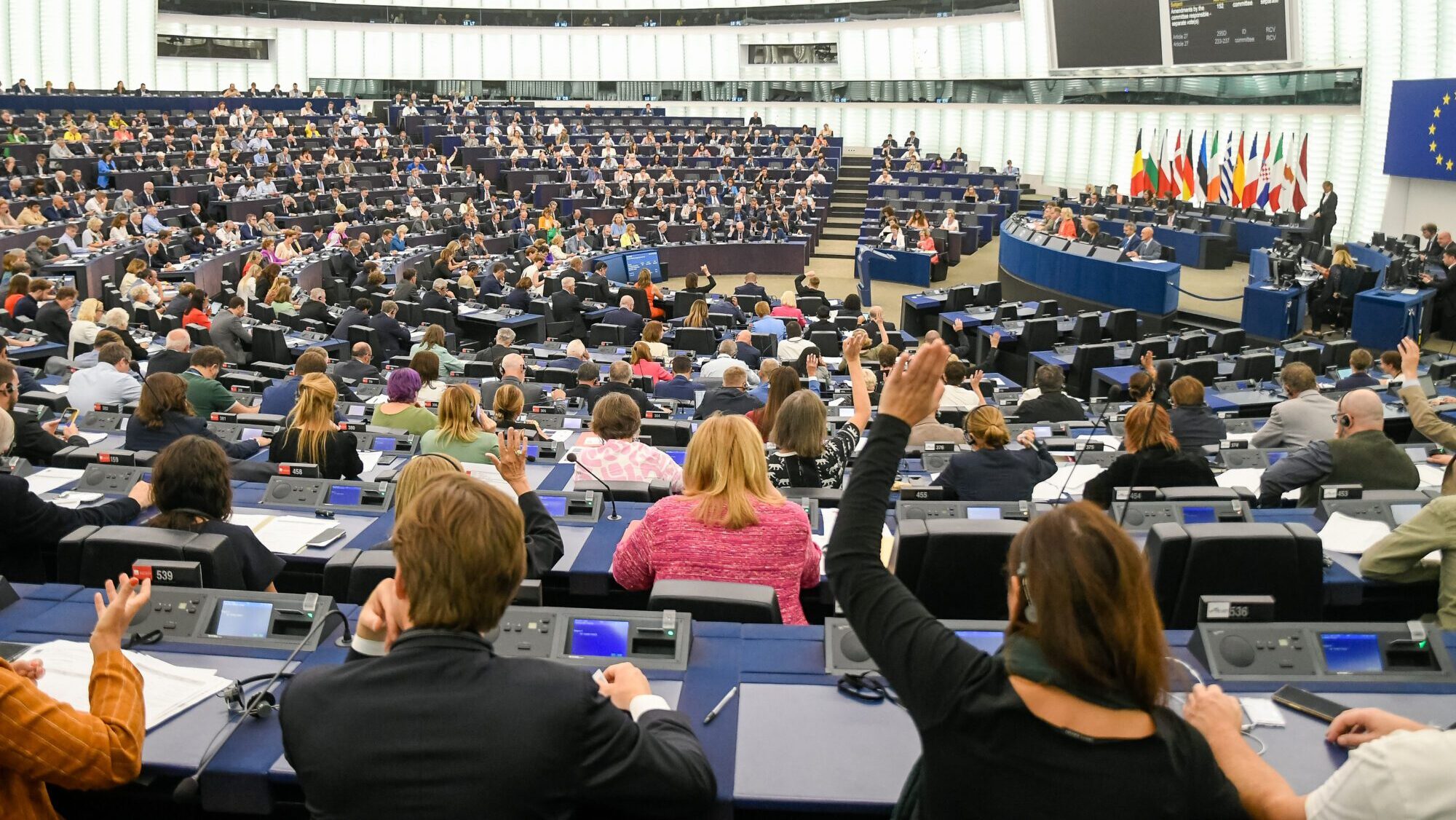
The Council’s modified version allocates 15 new seats instead of the proposed 11, while also asking the frustrated MEPs to make do with their current budget and just forget their attempted power grab.

The Brexit debate is set to potentially reignite over new customs arrangements set for October.

Most EU members demand more clarification, increased defense funds, or settling old scores before granting the Commission’s request for extra contributions, while the most frugal ones simply reject the idea altogether.
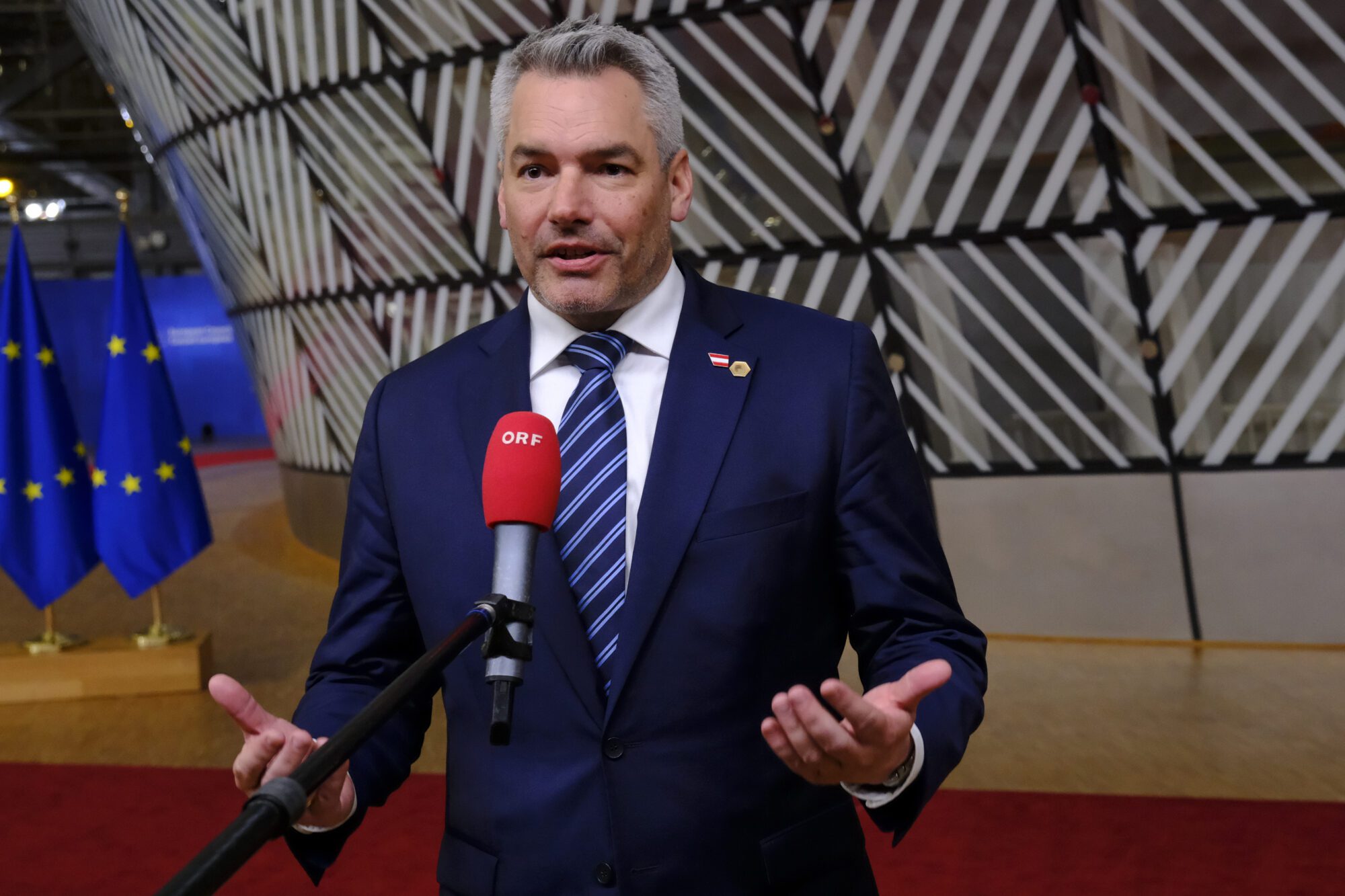
After the objections of Austria, Ireland, and Cyprus, the final text was watered down to respect member states’ neutrality when deciding on EU-wide defense commitments to Ukraine.
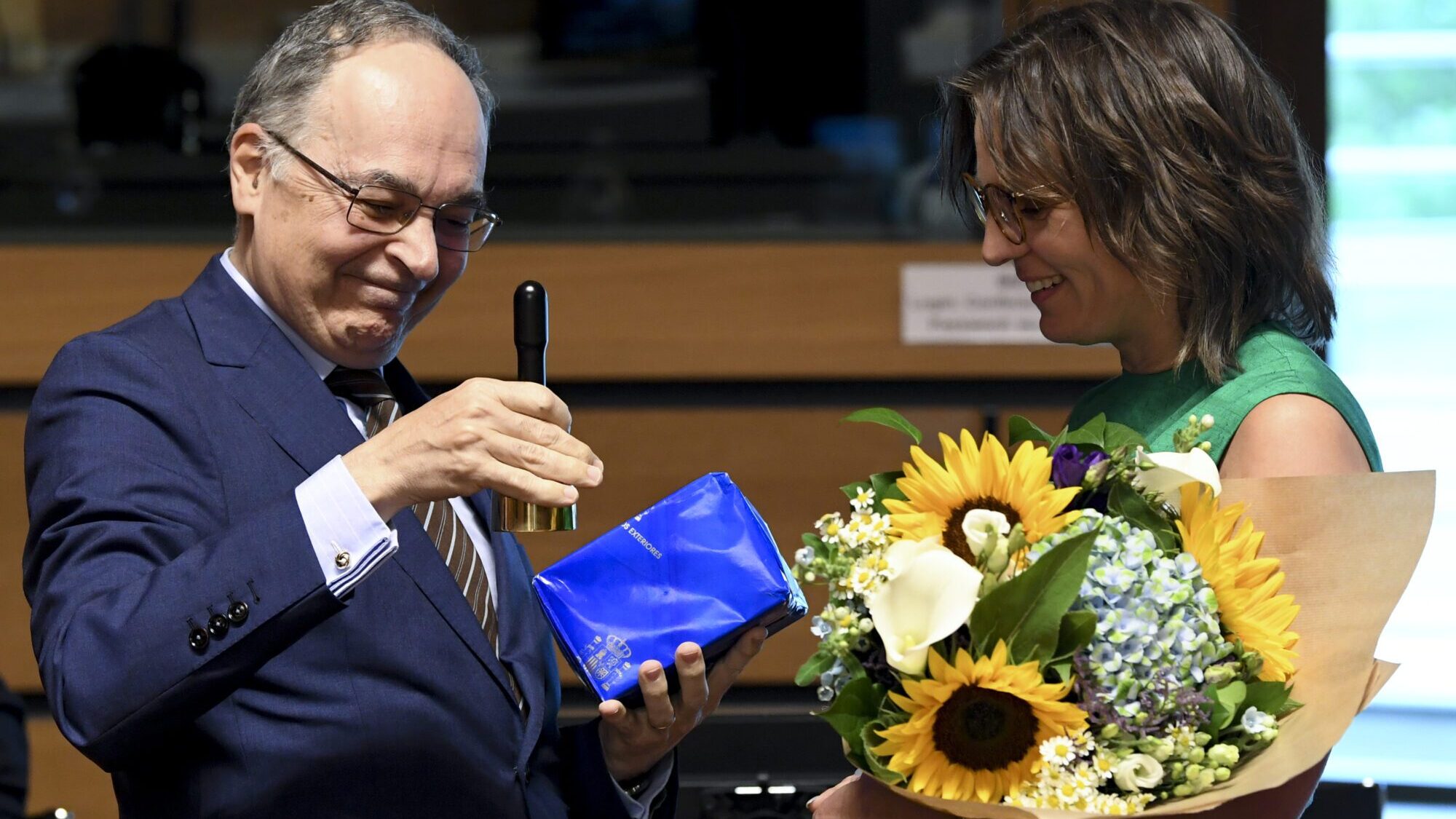
The Spanish-Belgian-Hungarian plan for the EU’s next 1.5 years is ambitious but vague, leaving much wriggle room for each of these very different countries’ unique legislative priorities. The long-term direction seems unchanged: more EU in everything.
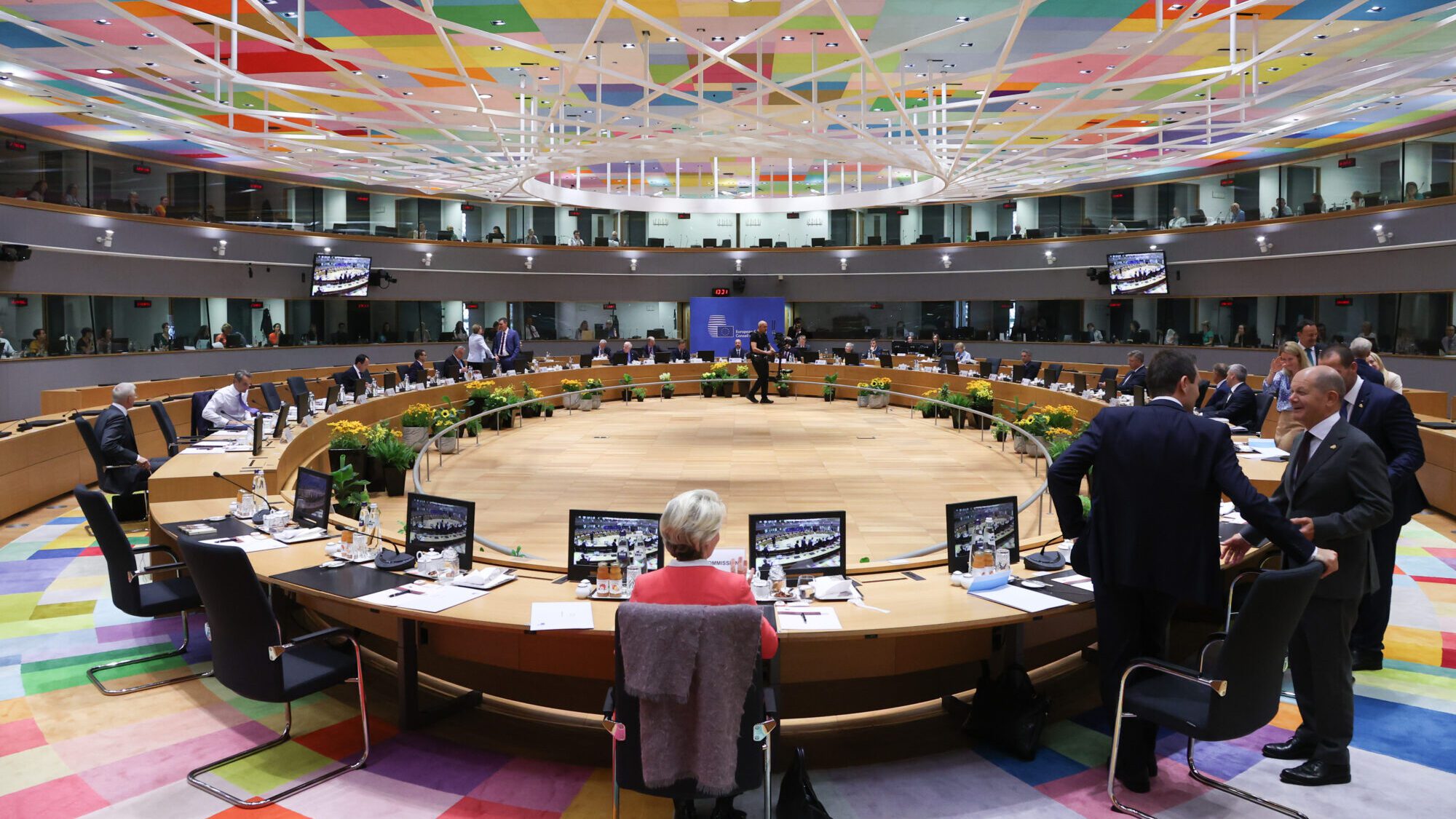
Poland promises to veto the migrant relocations, Hungary questions Brussels’s extra-budgetary requests, and others keep worrying about the possibility of a resurgent Wagner coming out of Belarus. All in one day.
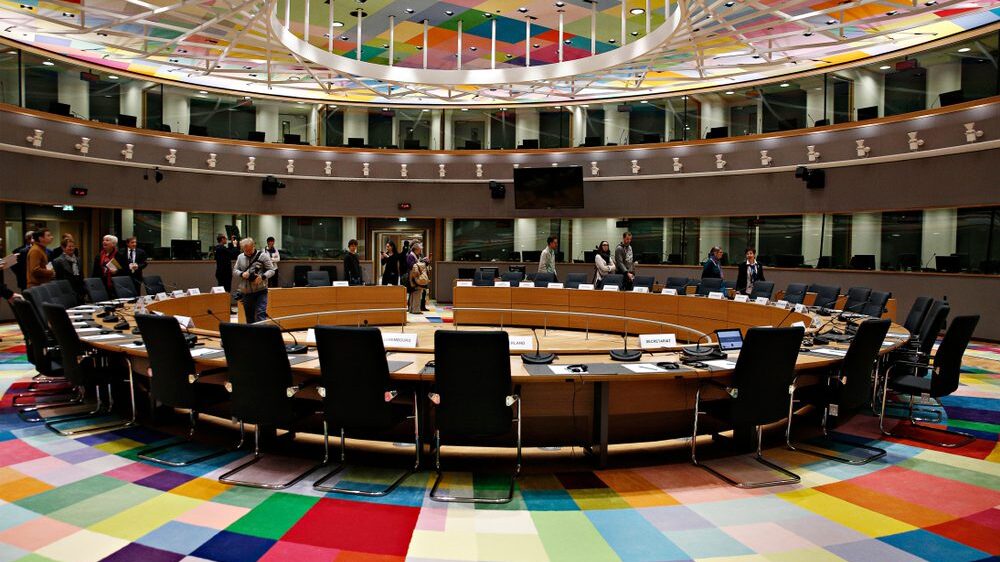
The sanctions were lighter than expected, largely on account of Chinese diplomatic efforts to assure the EU that it would prevent Western hardware from leaking to Russia.