
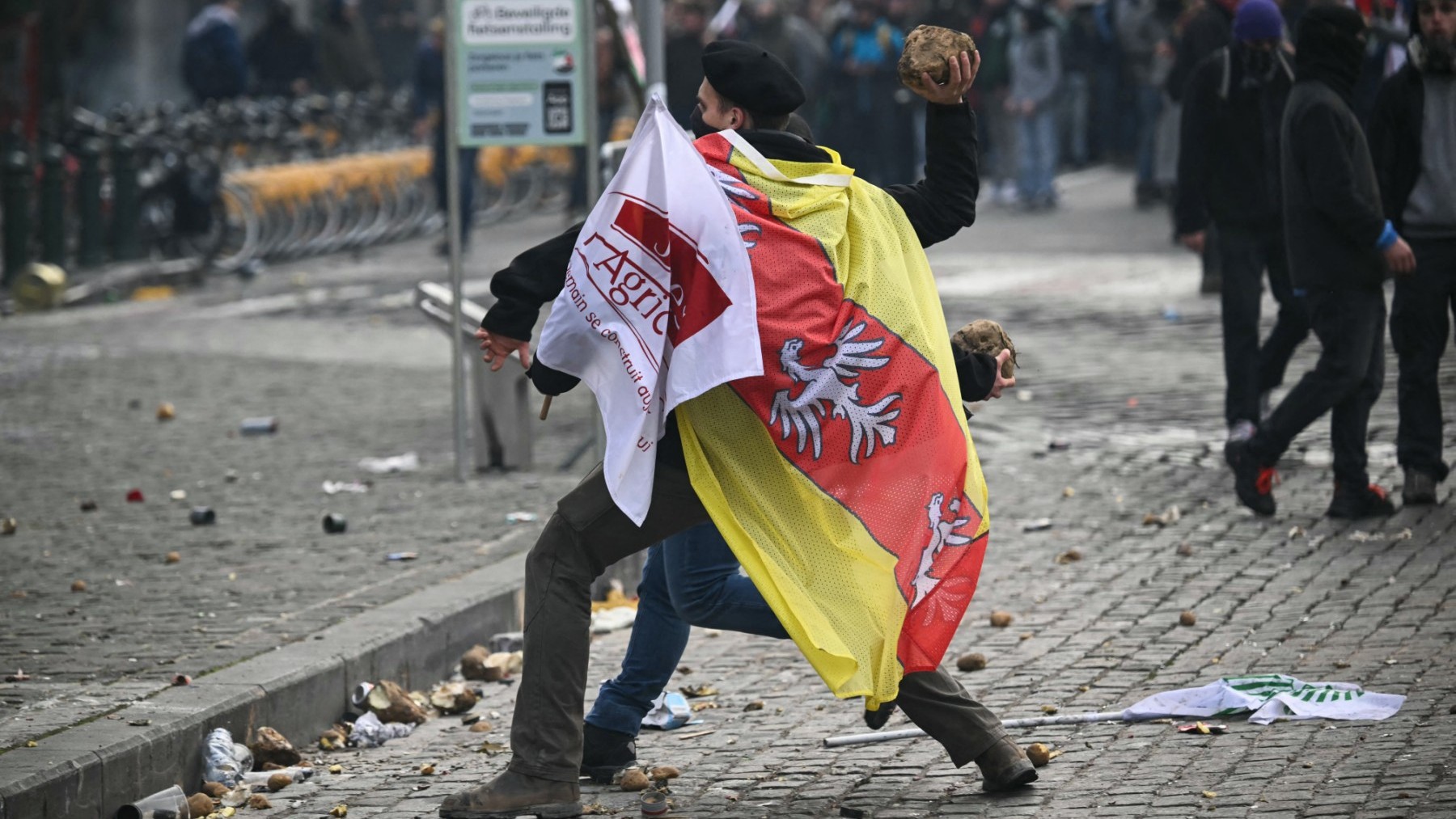
Mercosur Provisional Application Sparks Condemnation from Belgian Farmers
According to FUGEA, the provisional implementation of the agreement poses serious threats to European production.

According to FUGEA, the provisional implementation of the agreement poses serious threats to European production.
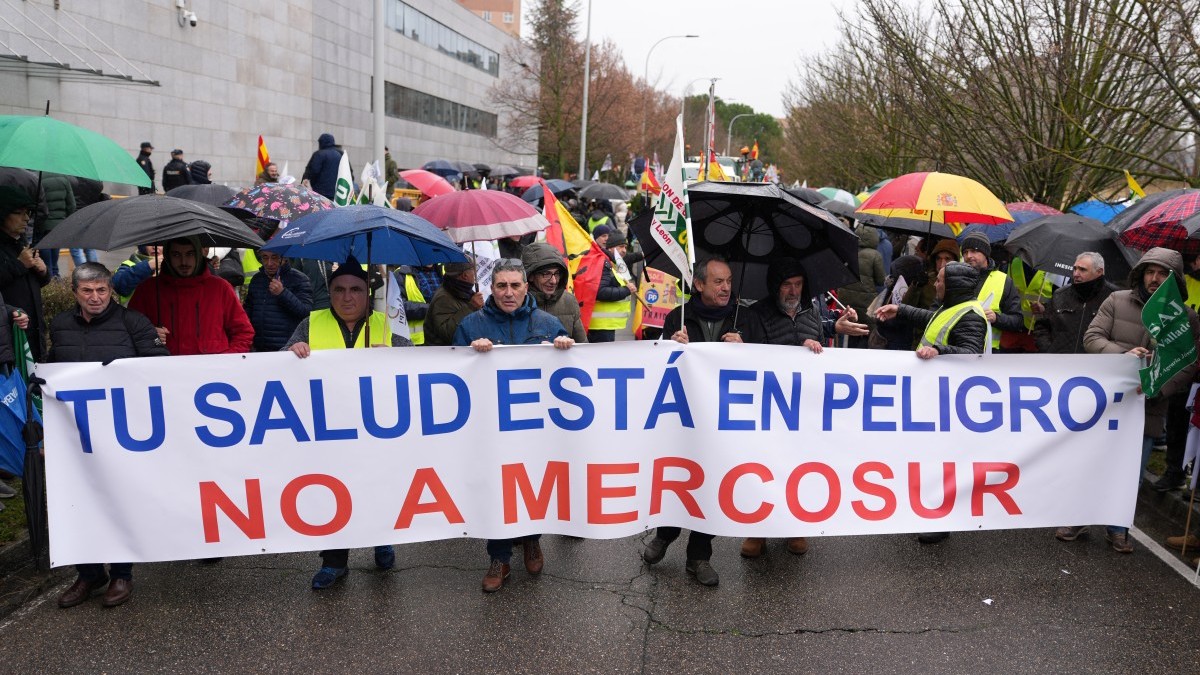
Benefits concentrated in a few industrial sectors contrast with dispersed costs borne by farmers, SMEs, and European consumers.
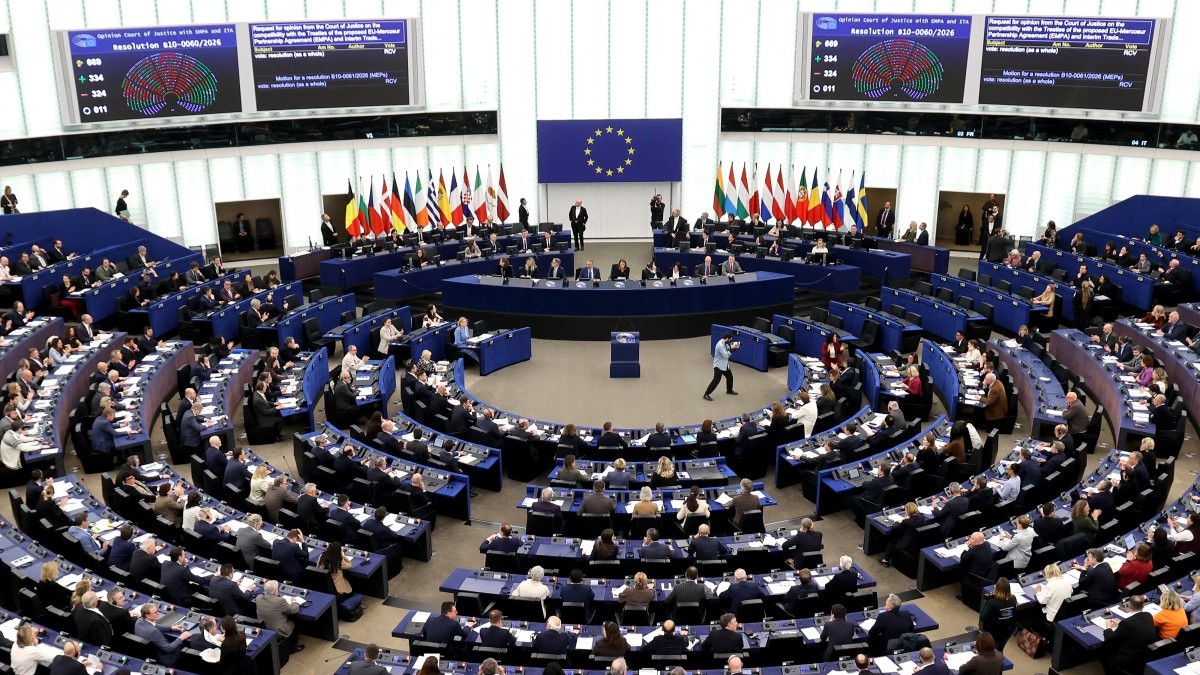
The trade agreement with Latin American countries pits the EPP’s members against each other as national agricultural interests collide with industrial goals.
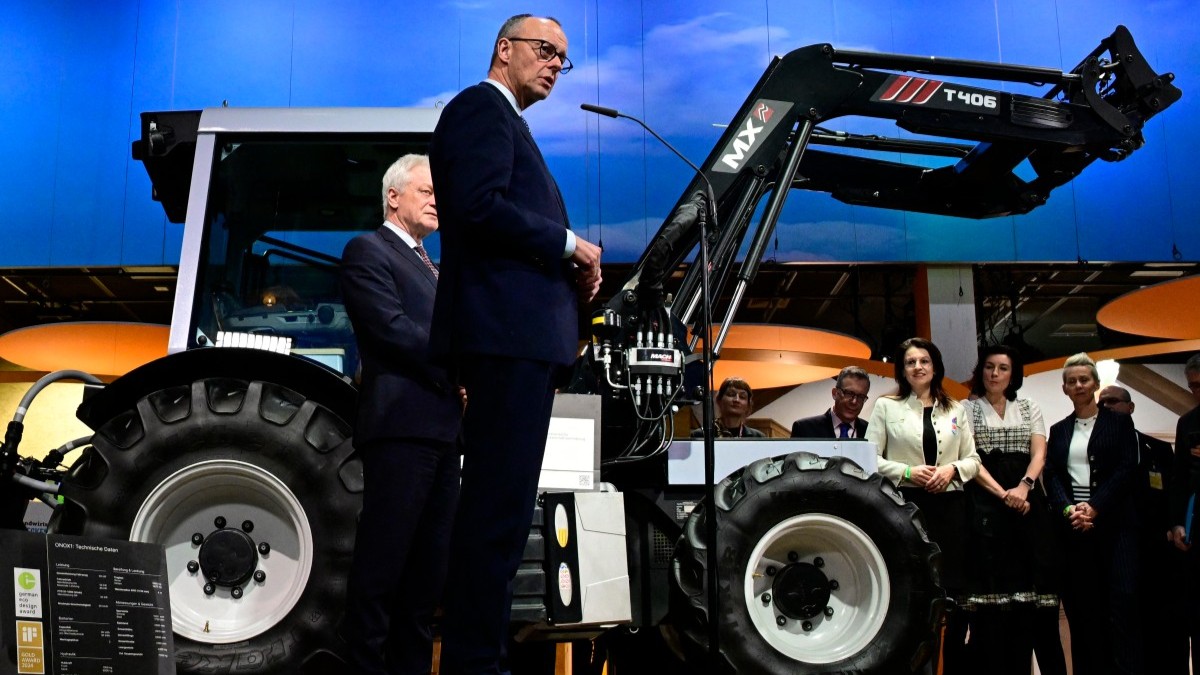
Officials give off the sense that they fear the agreement could still be totally foiled.

Pressure from the agricultural sector and the backing of conservative forces have managed, for now, to halt a key deal for Brussels.
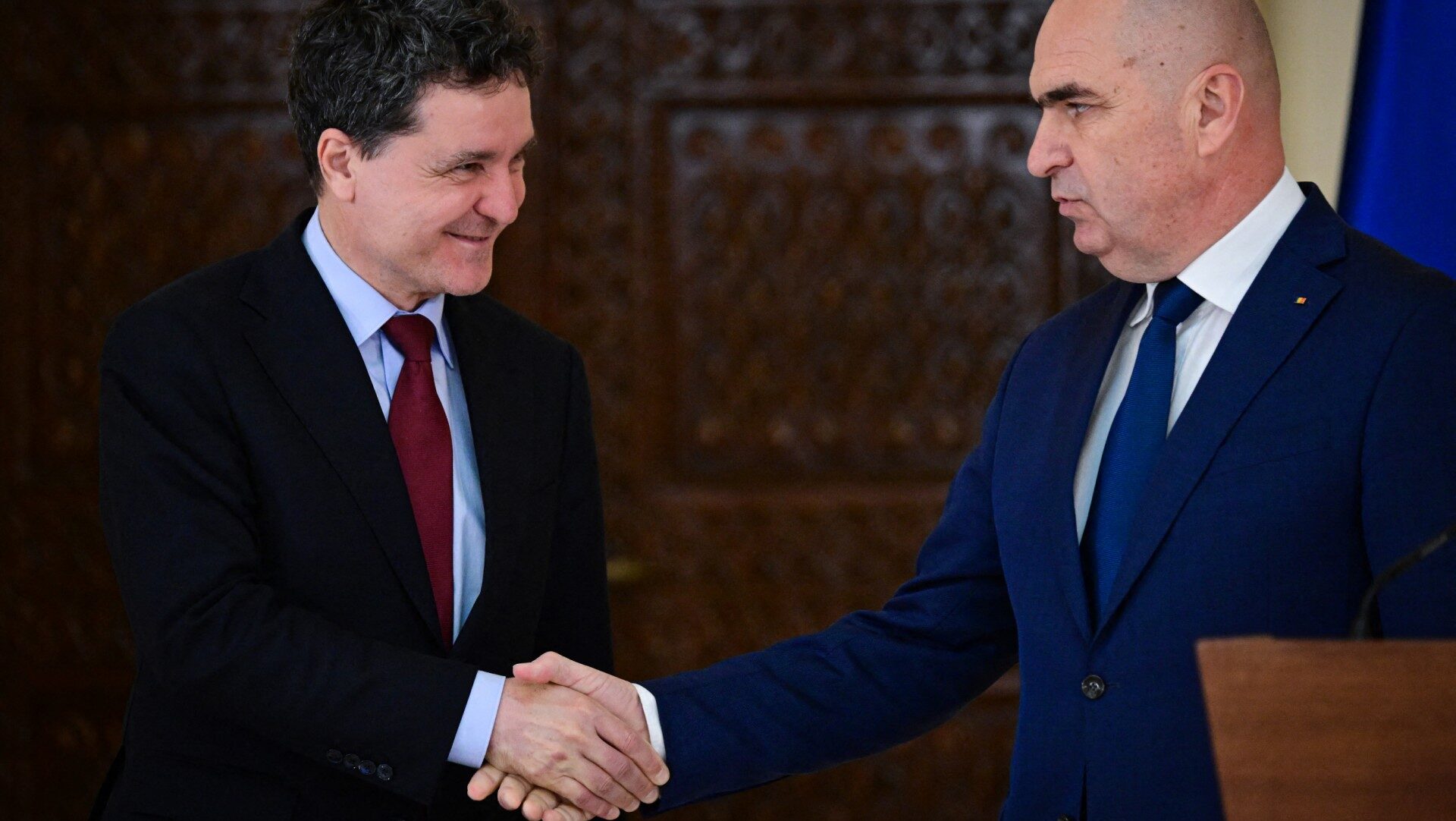
The Mercosur vote confirms a troubling pattern: Romania has become exemplary in compliance, yet persistently inadequate when it comes to defending its own national interest.
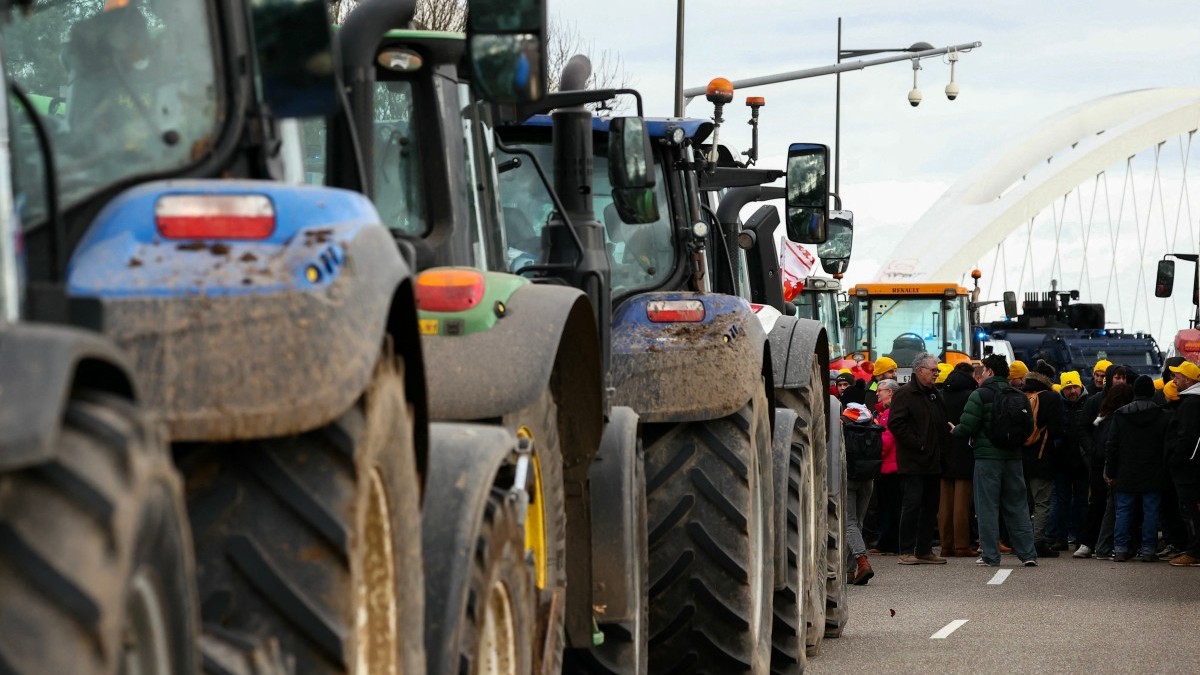
Leaders from multiple European countries have voiced alarm over the impact of the Mercosur deal on domestic agriculture, citing unfair competition and risks to sovereignty.

Brussels is offering farmers early access to billions in funding as it tries to overcome opposition to a long-delayed trade deal with South America.
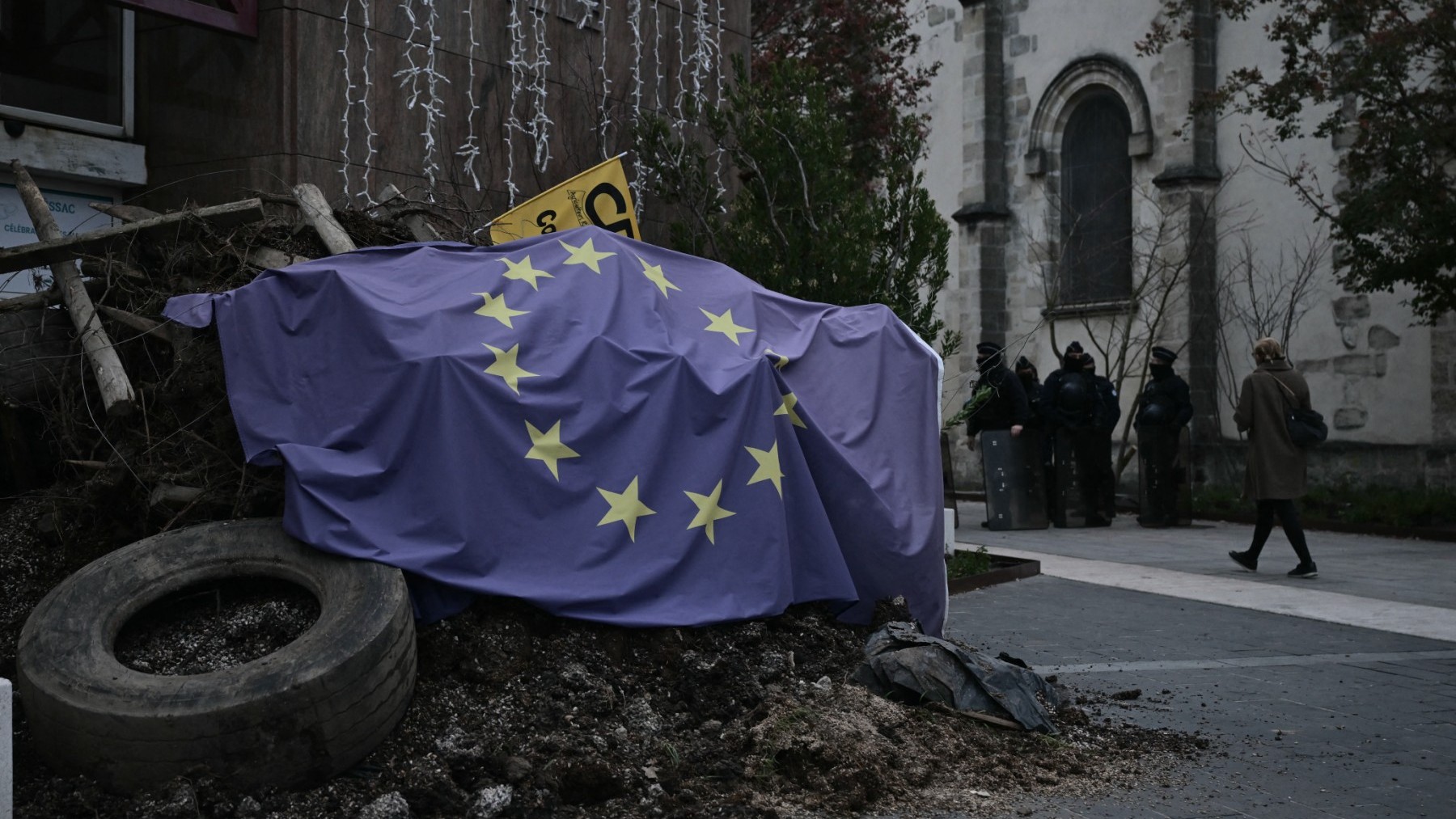
The trade agreement is set to be signed on January 12th after a December pause triggered by protests in Brussels.
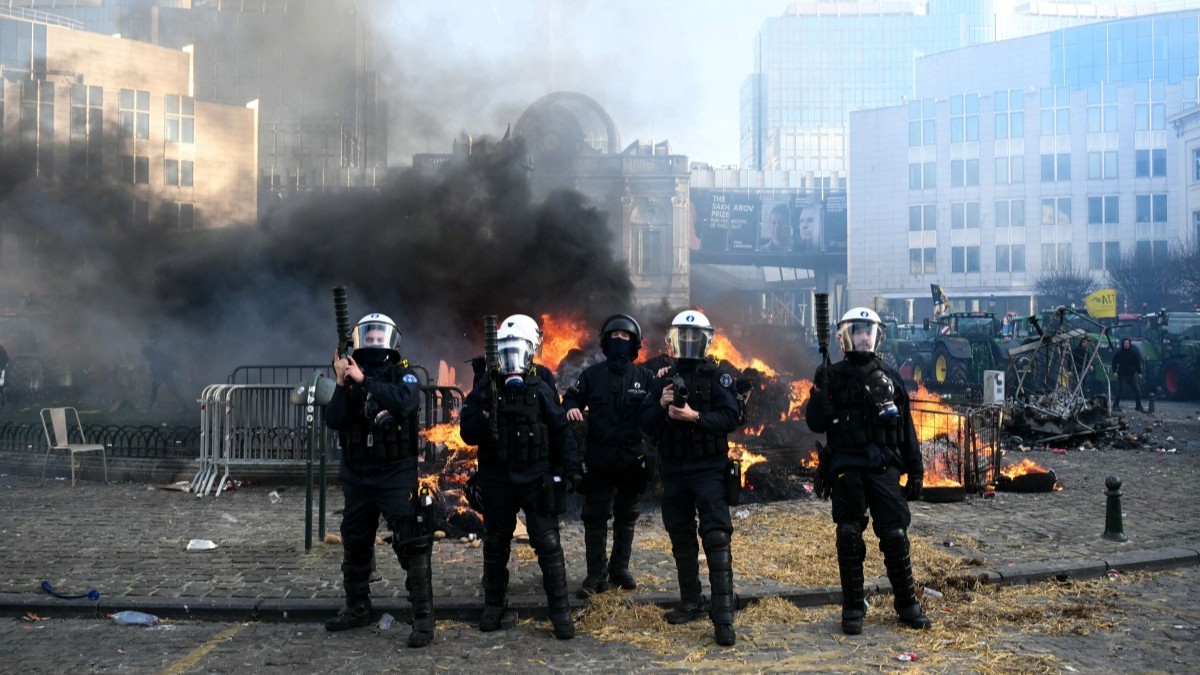
The fierce protest by farmers and livestock producers in Brussels delivered an unexpected result: a last-minute delay to the EU–Mercosur agreement.