

Israel Boycott Fizzles as Eurovision Confirms 35 Countries for 2026
Organisers declined to hold a vote on Israel’s participation despite months of pressure, prompting a limited walkout that failed to gather wider support.

Organisers declined to hold a vote on Israel’s participation despite months of pressure, prompting a limited walkout that failed to gather wider support.
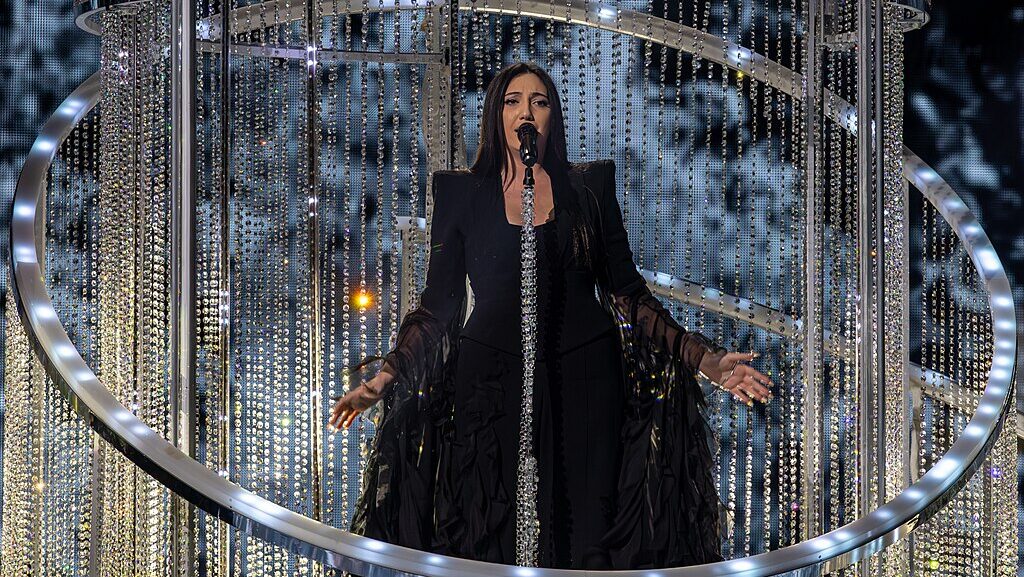
Without Spanish and Dutch participation—and funding—the event faces a significant drop in revenue.

Four nations have declared they will boycott next year’s song contest over the inclusion of the Jewish State. Good riddance.

The controversy over Israel is turning the song contest into a new cultural and diplomatic battleground of the continent.

The European Broadcasting Union (EBU) decided to overhaul voting rules in response to the controversy over the voting system’s vulnerability to influence.

Music competition bosses were due to hold a vote next month but have now delayed debating a decision on whether Israel can enter until December.

The EBU stressed that Eurovision is a contest between public broadcasters—not governments—and that Israel has not violated any rules by entering the competition.
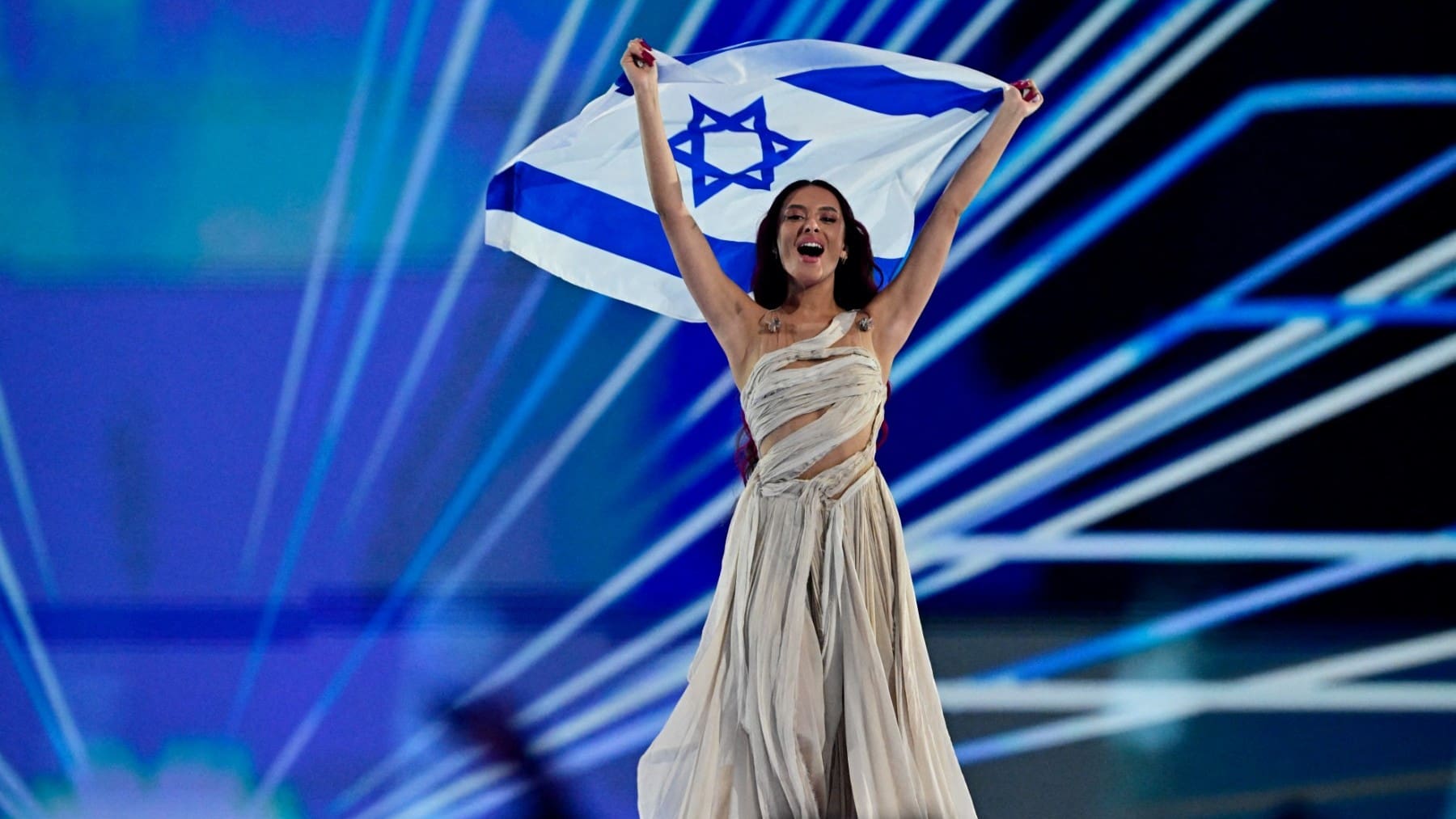
Ahead of the November vote, the EBU emphasizes the need for a “broader democratic basis” in deciding on the Jewish State’s participation in the televised song contest—weasel words in the face of previous violent intimidation.
Culture minister says boycott calls betray contest’s post-war spirit of unity amid Gaza war backlash.

Australia’s SBS stressed its support for diversity despite calls for boycott over Israel’s presence.