

Eurovision at 70: Bulgaria Wins—Israel in Second Place
Musically, it seemed like business as usual in Vienna, despite months of anti-Israel campaigning beforehand.

Musically, it seemed like business as usual in Vienna, despite months of anti-Israel campaigning beforehand.
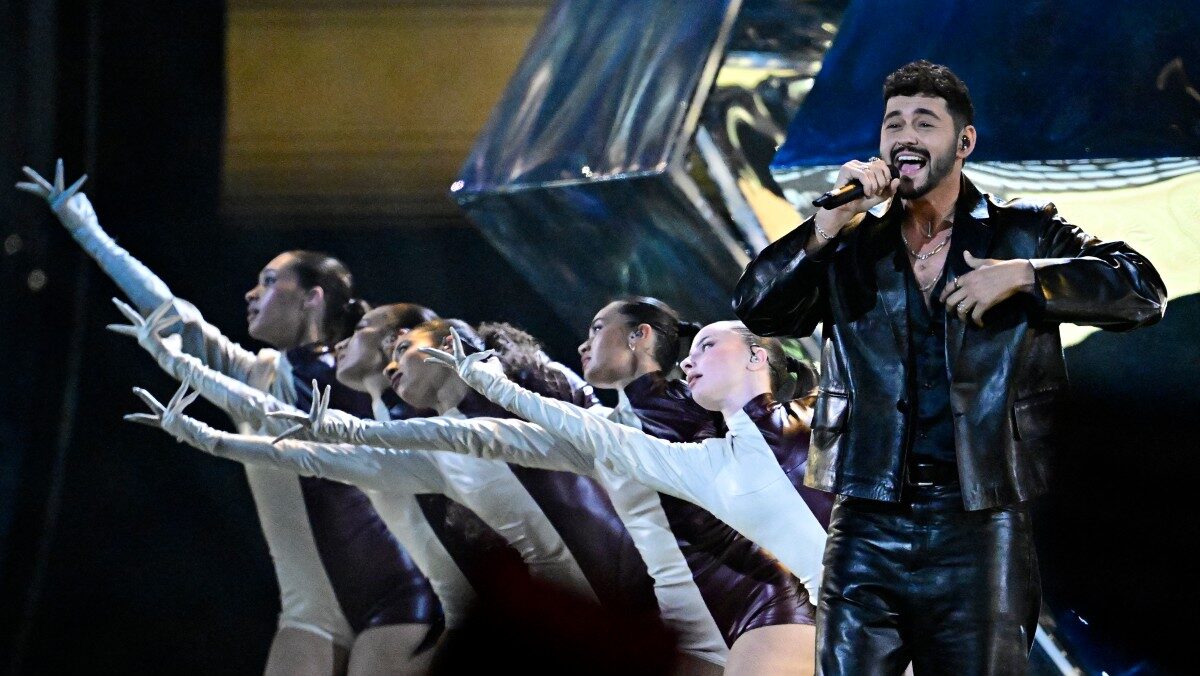
Israel progressed through the Eurovision semi-final despite a coordinated boycott by five countries over the Gaza conflict.
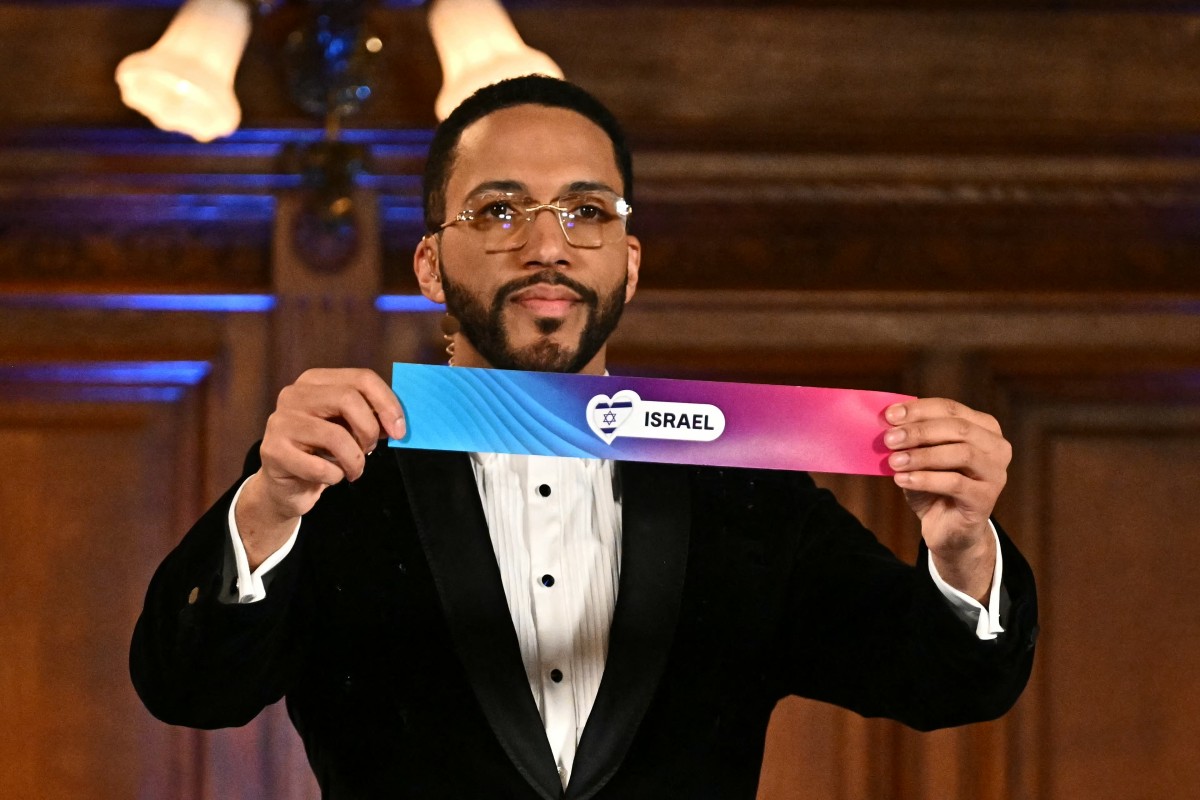
The European Broadcasting Union is facing an internal crisis after the broadcasters of Ireland, Slovenia, and Spain confirmed they will not offer their platforms to the 2026 music competition in Vienna.

Organisers declined to hold a vote on Israel’s participation despite months of pressure, prompting a limited walkout that failed to gather wider support.
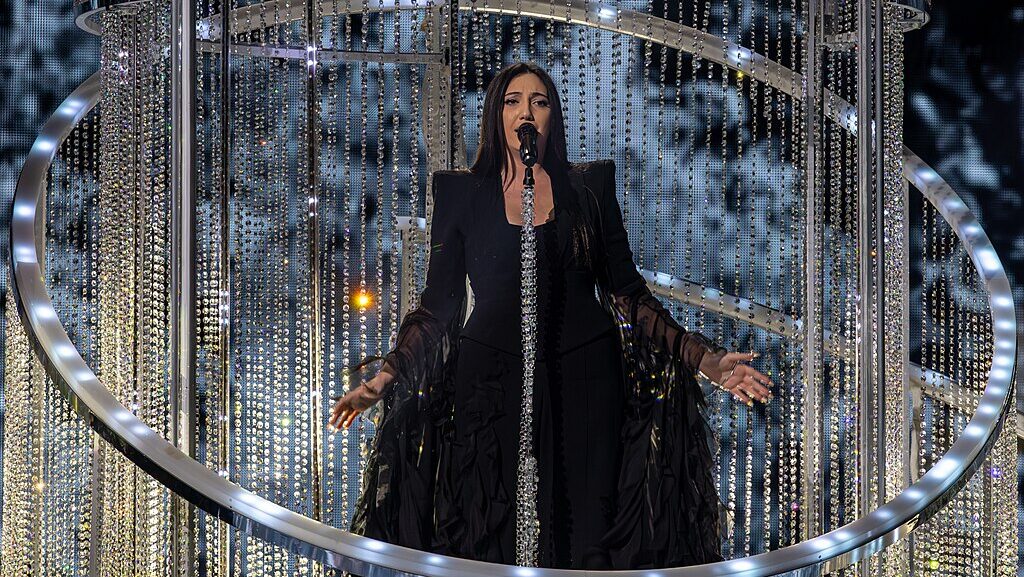
Without Spanish and Dutch participation—and funding—the event faces a significant drop in revenue.

Four nations have declared they will boycott next year’s song contest over the inclusion of the Jewish State. Good riddance.

The controversy over Israel is turning the song contest into a new cultural and diplomatic battleground of the continent.

The European Broadcasting Union (EBU) decided to overhaul voting rules in response to the controversy over the voting system’s vulnerability to influence.

Music competition bosses were due to hold a vote next month but have now delayed debating a decision on whether Israel can enter until December.

The EBU stressed that Eurovision is a contest between public broadcasters—not governments—and that Israel has not violated any rules by entering the competition.