

Patient Wants To Live But Doctors Say Otherwise–A Paradox in the End-of-Life Care Debate in France
A 60-year-old man who does not want to die may still have life support withdrawn because “the patient’s will ends with the law.”

A 60-year-old man who does not want to die may still have life support withdrawn because “the patient’s will ends with the law.”

The assisted suicide bill is already under constitutional fire, exposing a reform built on legal ambiguity and profound ethical contradictions.
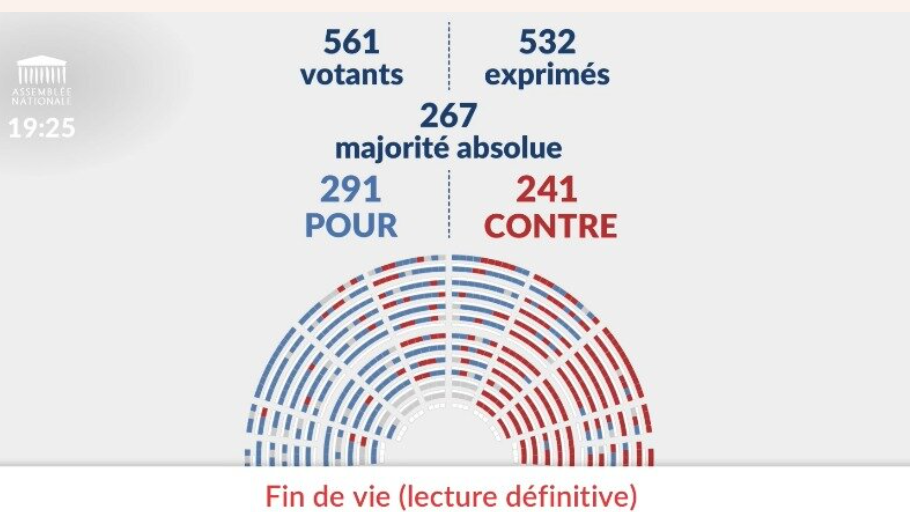
The assisted suicide legislation will be one of the most permissive in the world.

Far from being a resounding victory for the progressive camp, the French vote on euthanasia will leave a bitter aftertaste.

The legislation would create a legal “right to aid in dying,” despite warnings from doctors and religious leaders that it weakens protections for vulnerable patients.

Once the bill passes, medical institutions will be forced to carry out assisted suicide duties, regardless of their religious or ethical objections.

The child, whose life was deliberately ended at the close of last year, has become the first person in that age group to be euthanized in the Netherlands since the country extended its laws to younger children in 2024.

Kim Leadbeater’s assisted suicide bill returns via procedural backdoor as public concerns grow, medical groups oppose it, and Burnham’s likely premiership dims its prospects.

As new cases push legal and ethical limits, assisted suicide is getting increasingly embedded in European healthcare systems.

Spain’s latest assisted suicide should sober the ardor of ‘right-to-die’ advocates everywhere.