

The Courage of Her Convictions: An Interview with Päivi Räsänen
“I never thought that citing the Bible and agreeing with it could be criminal.” — Päivi Räsänen

“I never thought that citing the Bible and agreeing with it could be criminal.” — Päivi Räsänen

Finland explicitly says “violations against human rights and religious freedom cannot be tolerated anywhere;” just days later, a politician is put on trial for expressing her religious convictions. Nina Shea captured the irony with biting concision: “Finland acts like a pyromaniac at home and like a fireman for Pakistan when it comes to freedoms of religion and speech.”

Criminalizing the speech of half a billion people is a serious matter and those pushing for it must come up with something more convincing than ‘hate is hate.’ Enough is enough!
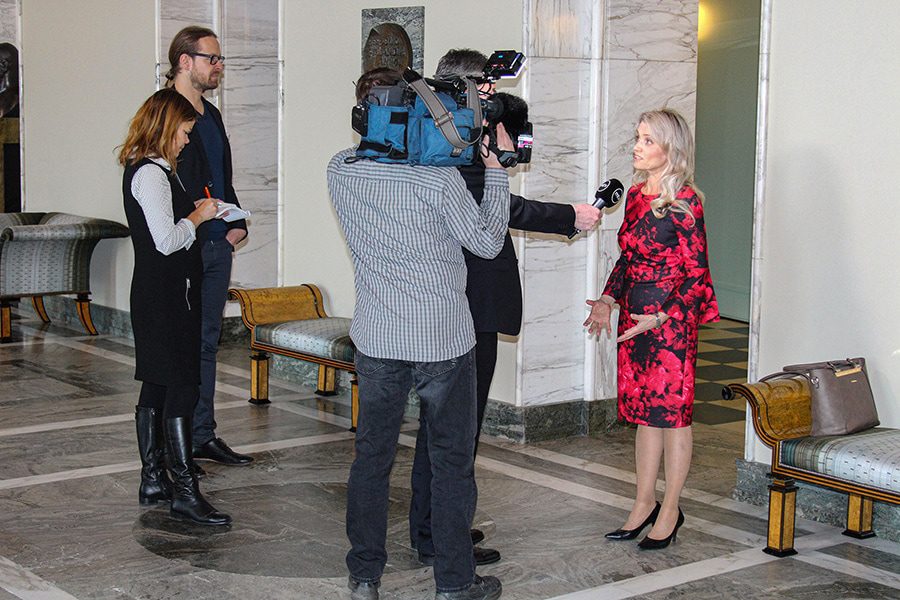
Beyond her personal case, Päivi Räsänen is well aware that her struggle is much broader: “It is my honor to defend freedom of speech and religion.”

New speech-restriction laws, whether national or at the EU level, would amplify a disturbing trend underway in Europe, where the right to free expression is gradually being replaced with a new legal default. What speech is not explicitly permitted, is banned.

Spokesman Simon Calvert of The Christian Institute called the ECHR ruling “the right result.” He applauded the UK Supreme Court, which, in 2018, had “engaged at length with the human rights arguments in this case and upheld the McArthurs’ rights to freedom of expression and religion.” He called the ECHR ruling “good news for free speech, good news for Christians, and good news for the McArthurs.”
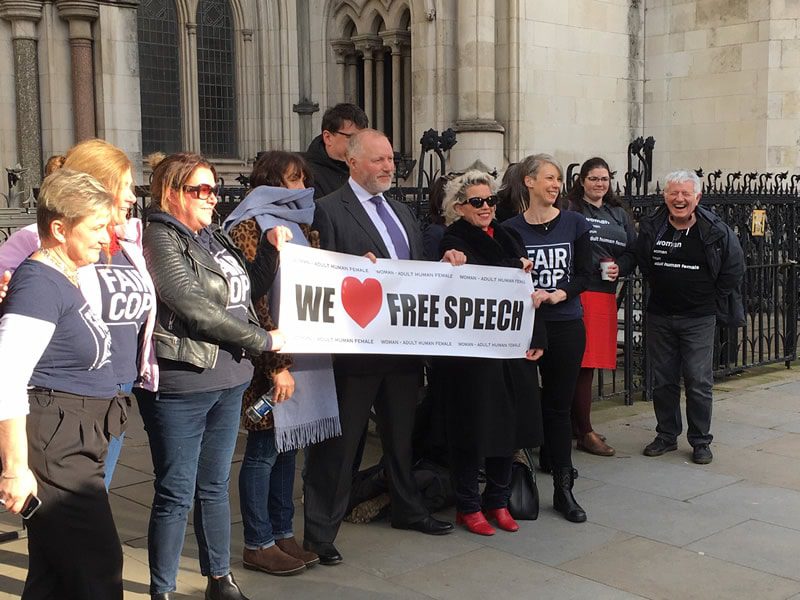
Speaking to the press after the verdict was delivered, Harry Miller said: “By framing reality, inquiry and dissent as prejudice, bigotry and hate, the College of Policing has failed to protect the liberty that used to be taken for granted by the citizens of this great nation.”

“What is spread on Telegram is disgusting, indecent, and criminal,” Federal Justice Minister Buschmann said. “My wish is that we do not take a special German path, but rather create a common European legal framework that enables us to take action against hatred and agitation on the Internet.”