
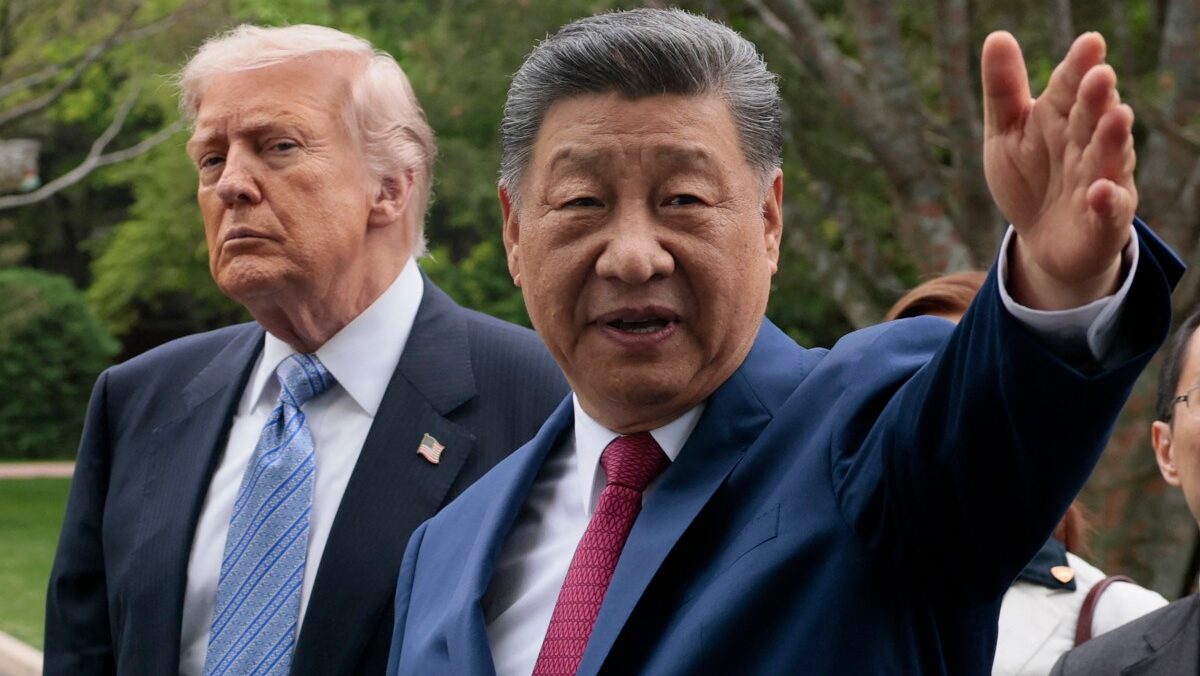
Trump Spoke for China’s Catholics—The Pope Stayed Silent
The Vatican’s commitment to multilateral engagement is colliding with the reality of mounting repression against China’s faithful.

The Vatican’s commitment to multilateral engagement is colliding with the reality of mounting repression against China’s faithful.
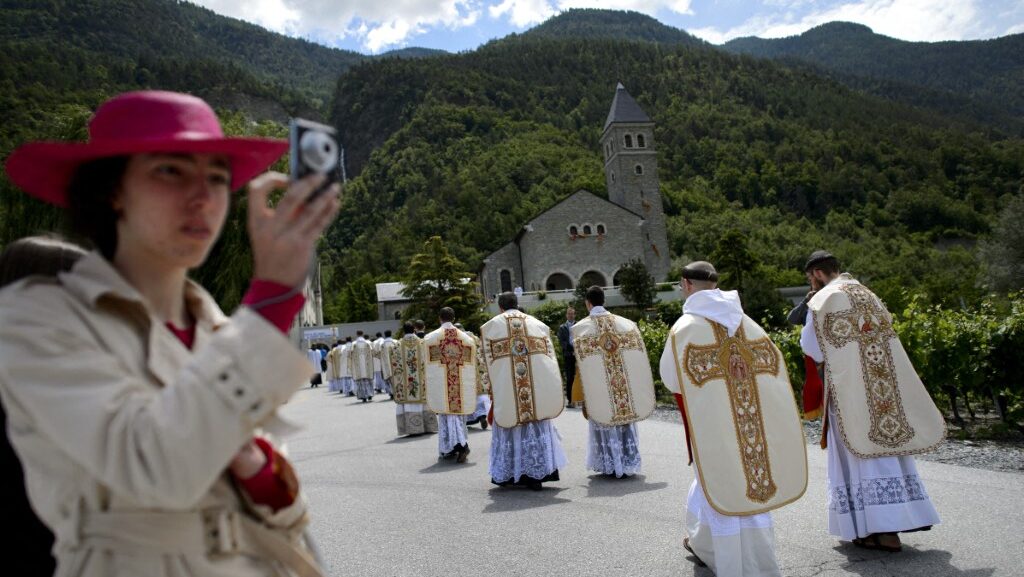
A civilization that no longer knows whether God exists, what man is, what the family is, what the purpose of life is, or what relationship should exist between freedom and truth is a civilization destined for disintegration.
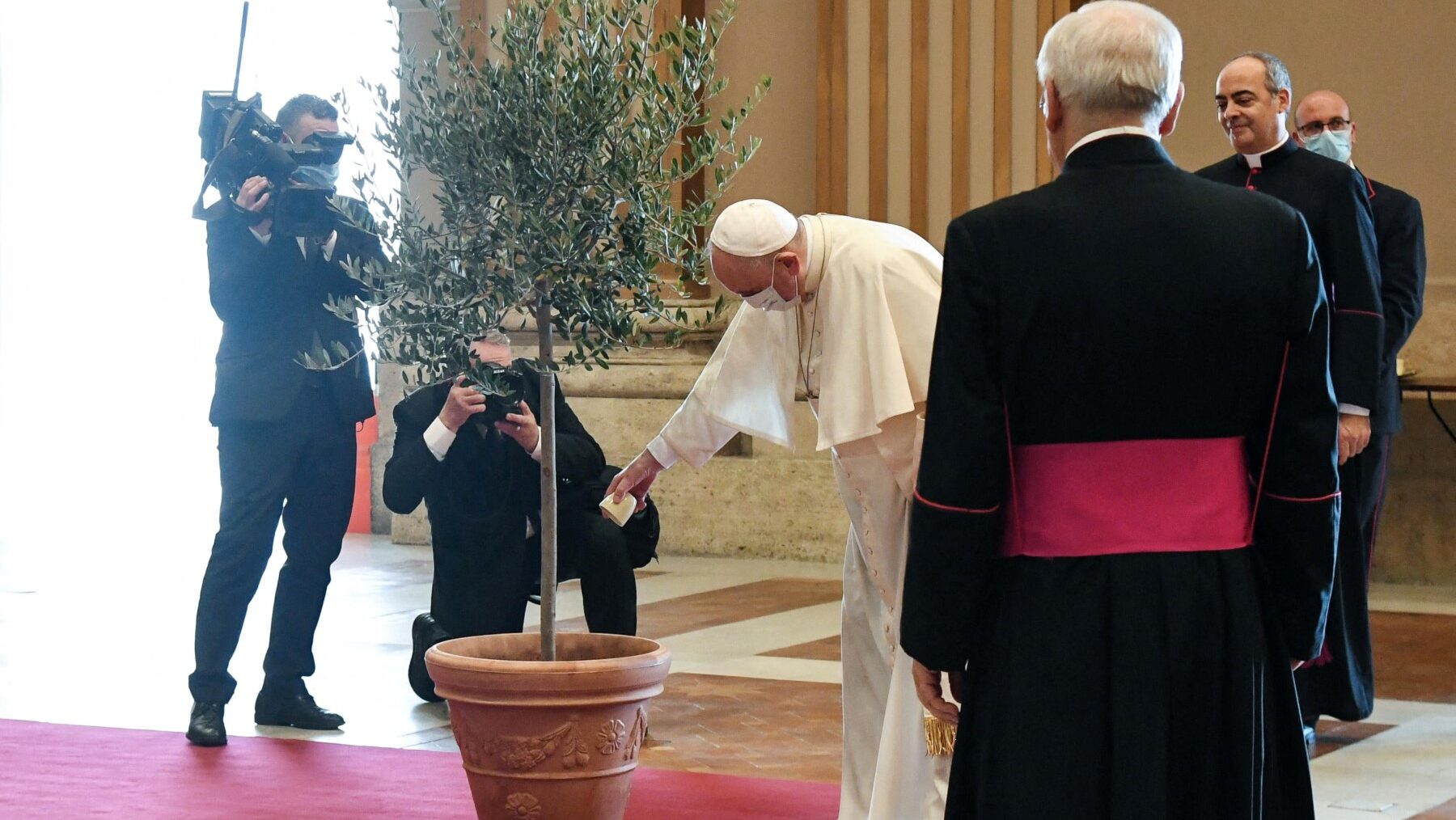
Every attempt to correct inequalities through political intervention or global planning ends up destroying the mechanisms that generate real prosperity.
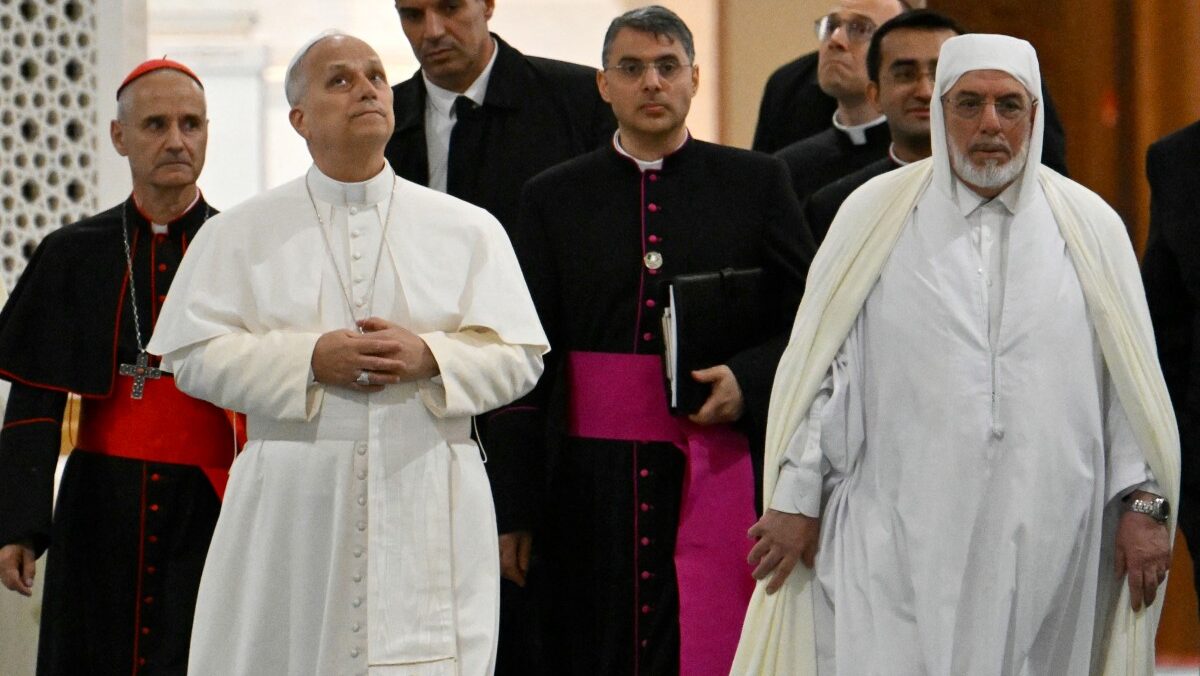
When peace among nations becomes the ultimate end of religion, religions are reduced to geopolitical instruments.
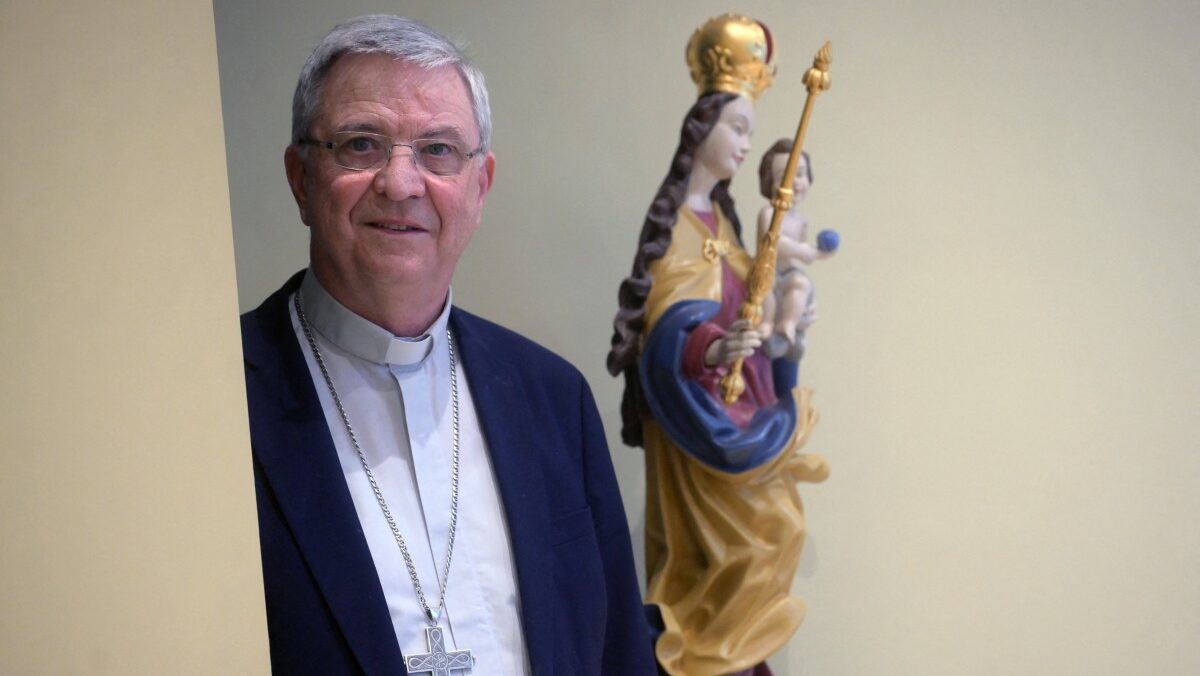
A silent, threatening fragmentation of the Catholic Church would be more difficult to correct than an open schism.
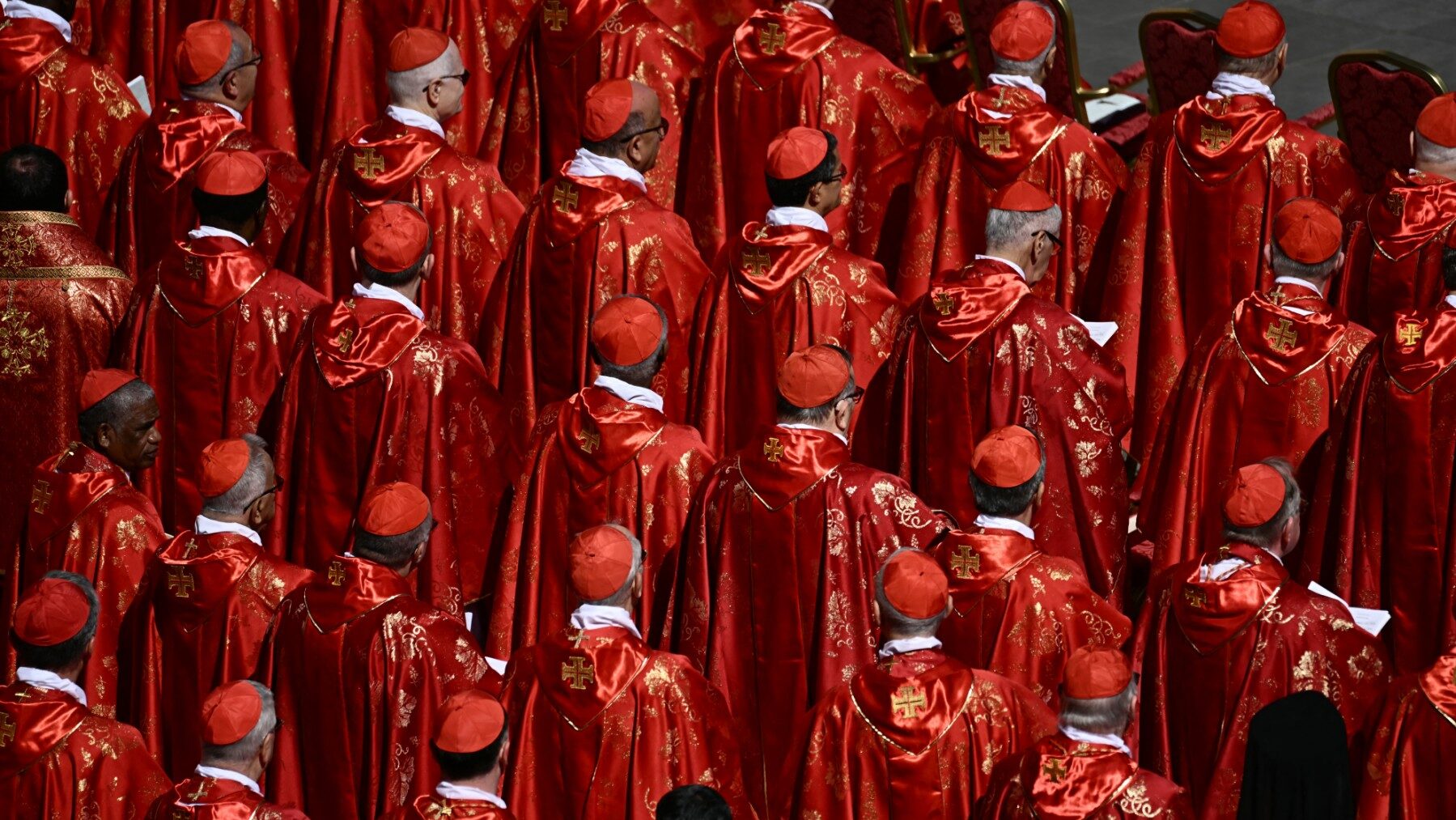
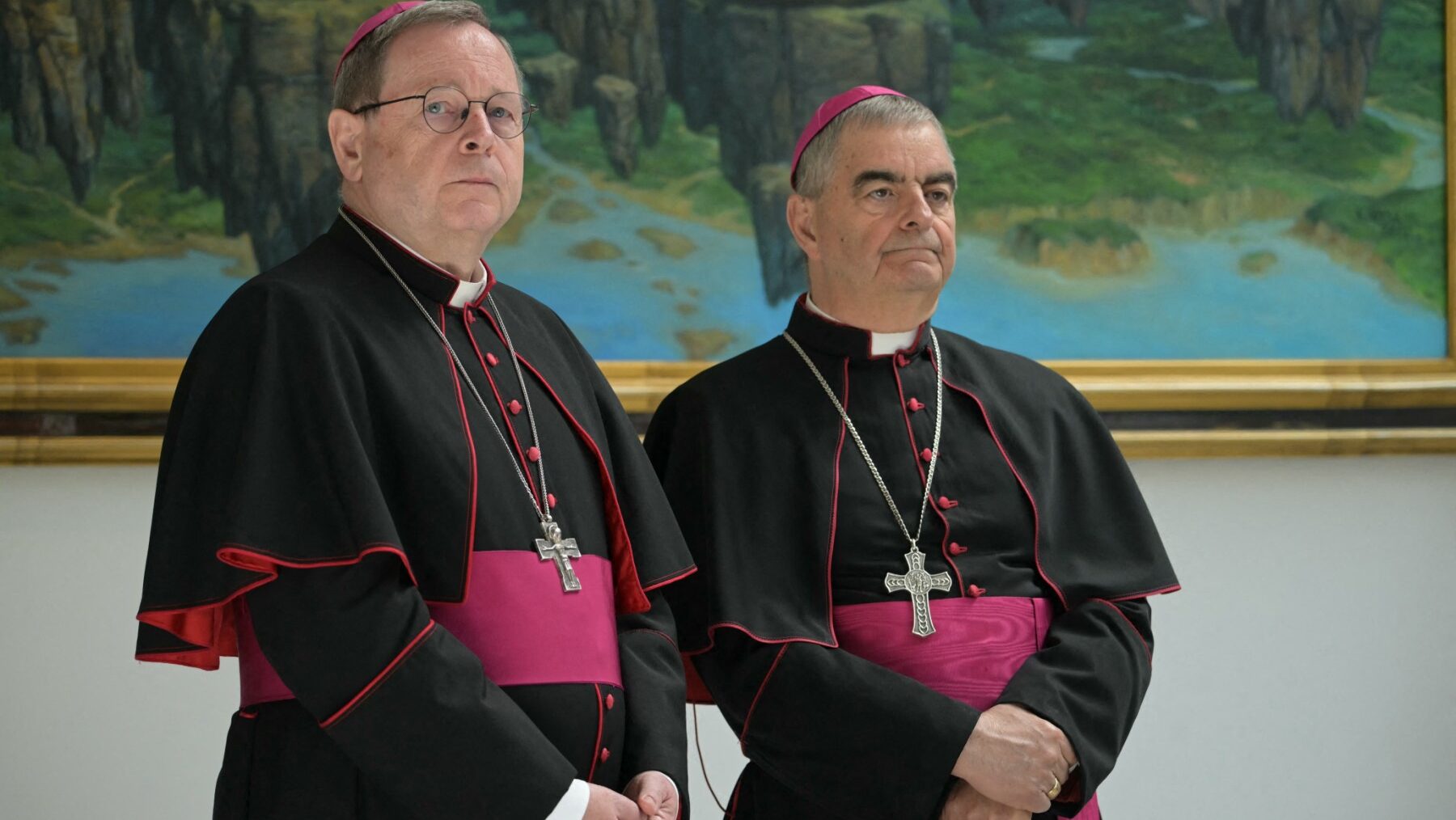
The difference between the German Synodal Path and the synodal reform initiated by the late Pope Francis appears today, more than ever, to be a mere difference of speed.
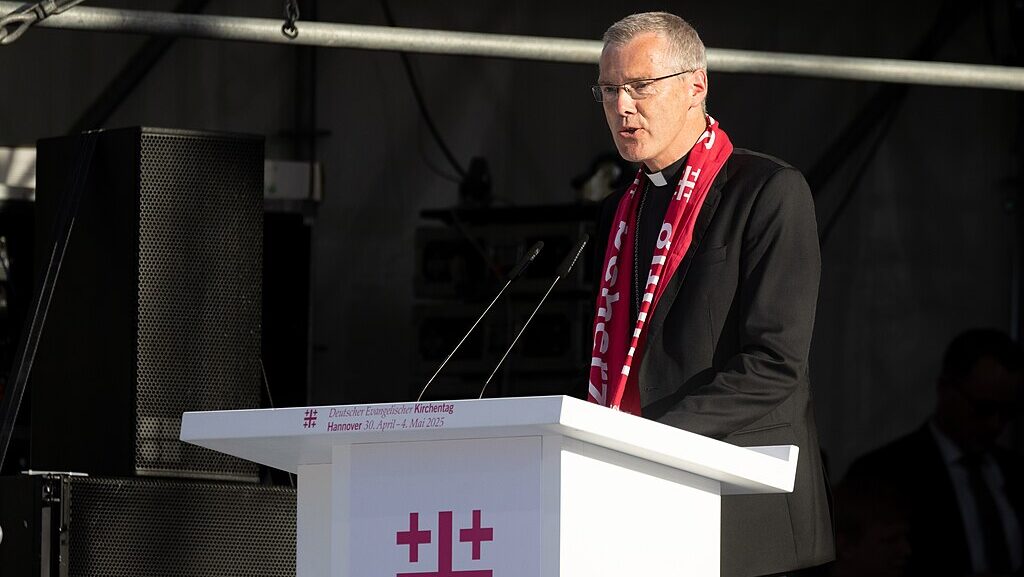
What is occurring in Germany is a true attempt at ecclesiological subversion.
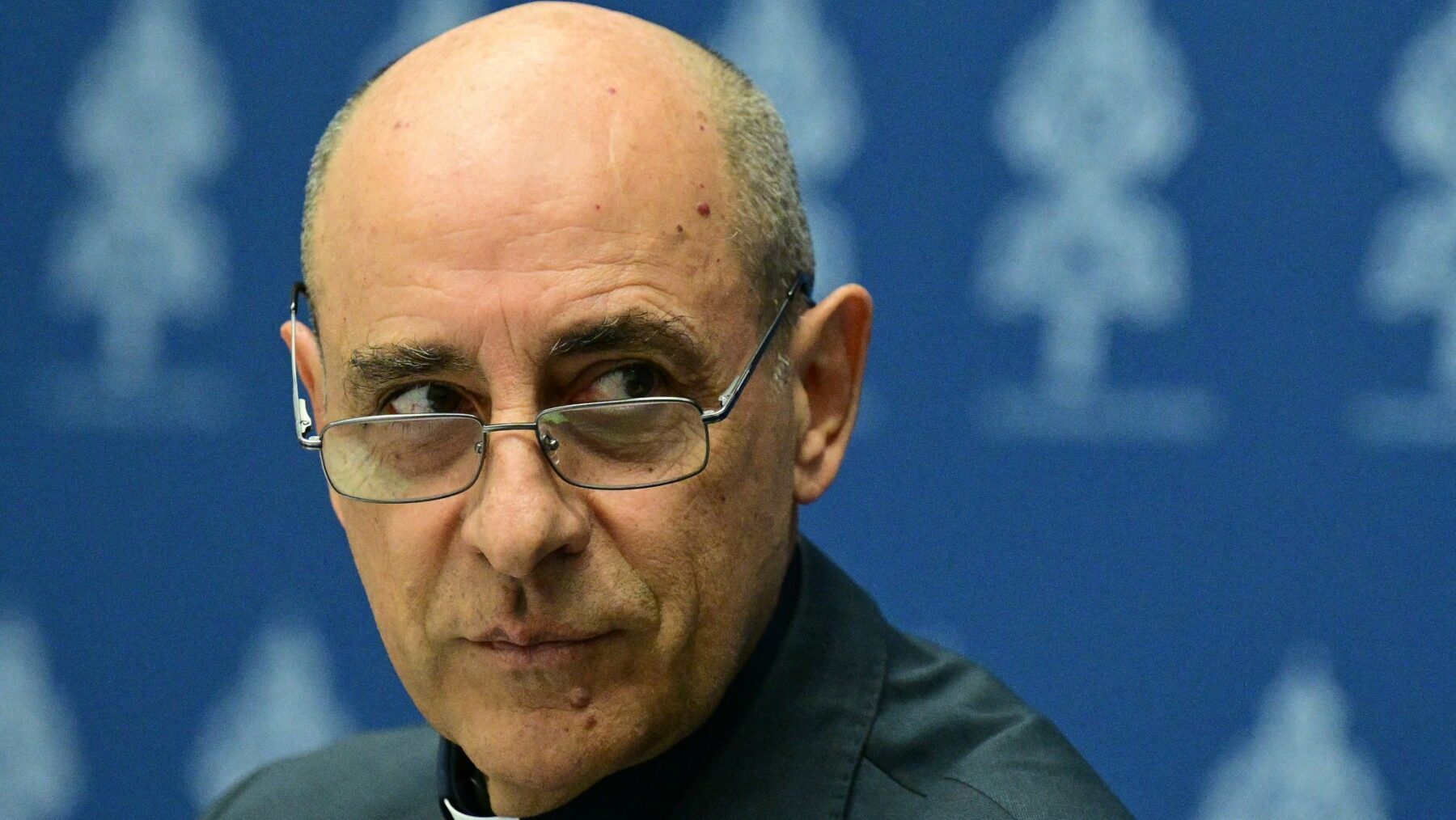
The Vatican applies discipline with rigidity toward traditionalists and with flexibility toward realities that are theologically or politically far more problematic.

The Holy See’s restraint appears as the result of an agreement that effectively restricts the Church’s prophetic freedom in confronting one of today’s most repressive regimes.
Elected to heal divisions, Pope Leo XIV may instead be remembered as the pontiff under whom the most serious Catholic schism since the Reformation emerged.