Time for Europe to Stop Borrowing Money
A new report points to signs of looming credit problems for the EU’s deeply indebted governments. Ignoring these signs is not an option.

A new report points to signs of looming credit problems for the EU’s deeply indebted governments. Ignoring these signs is not an option.

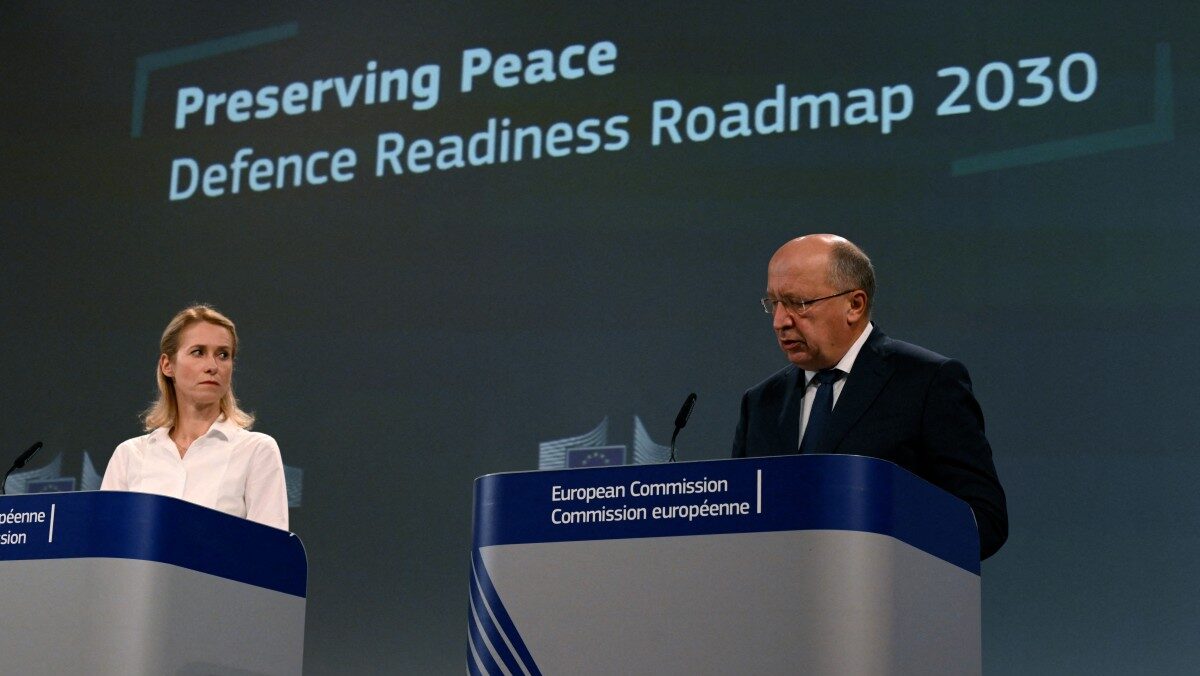
With a stagnant economy and debt costs already rising, Europe could not be in a worse position to plan a military buildup.

When the next major fiscal crisis hits, Europe’s credit-challenged governments will pull down the banks with them. A crisis bigger than the one 15 years ago can no longer be ruled out.

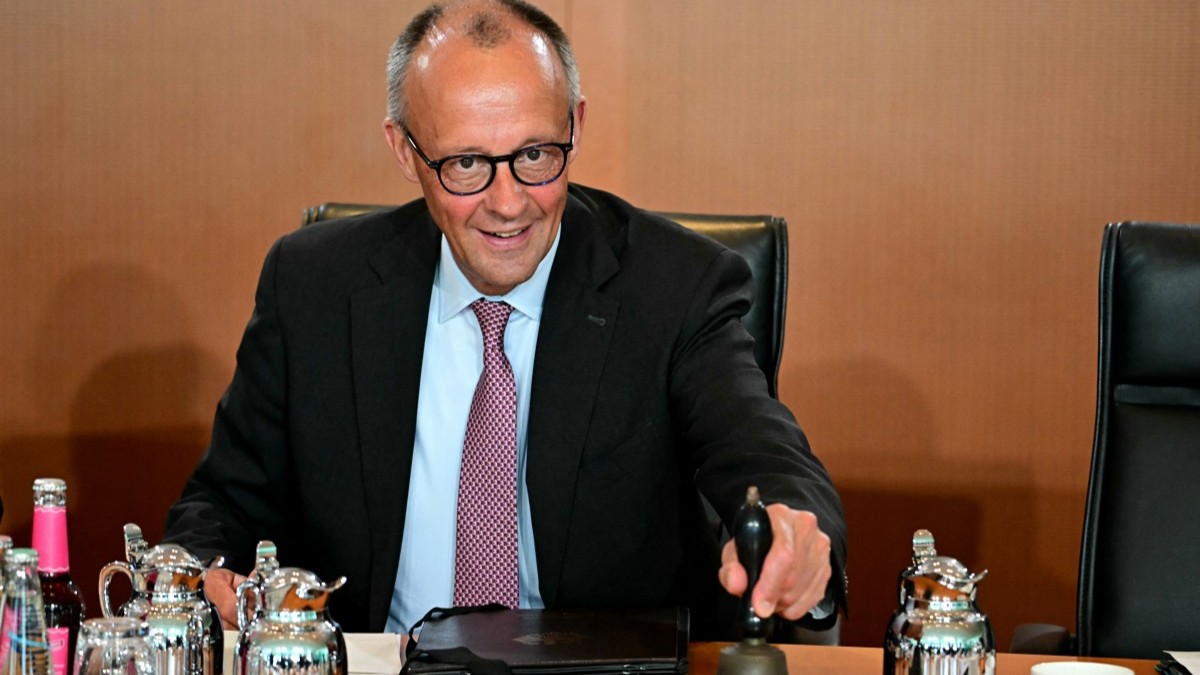
Slovakia faces the same budget dilemma as Germany. Whether Prime Minister Fico will match Chancellor Merz’s bold move to announce an end to the welfare state remains to be seen.

The floodgates are open: debt-financed stimulus is once again the weapon of choice against recession.

The U.S. president took credit for ending high inflation, but his push for low interest rates risks bringing it back, worse than before.
In a break with decades of fiscal orthodoxy, Germany will fund its largest defence buildup in generations through debt.

Global public debt could surpass 100% of GDP by the end of the decade, levels not seen since World War II.

Without fundamental reforms and a return to market-oriented policies, Germany—and with it the euro zone— will continue to lose ground.

The U.S. president is tackling an issue the nation has been kicking down the road since the end of the gold standard in 1971: the gaping chasm of fiscal disaster and trade deficits.