
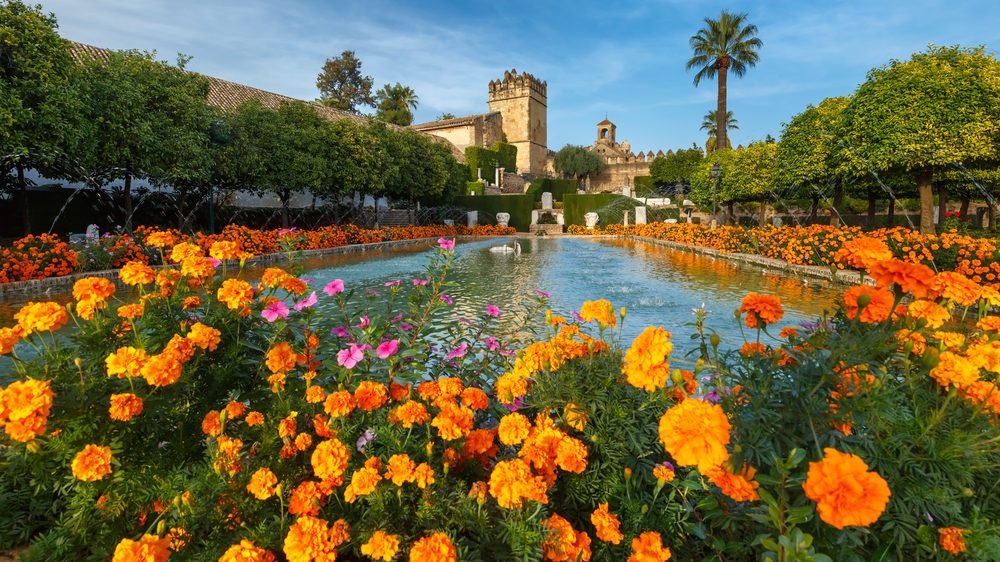
Spain: Whispers from the Past
The playwright Federico Garcia Lorca once wrote that in Spain, “the dead are more alive than the dead of any other country.” He may be right.

The playwright Federico Garcia Lorca once wrote that in Spain, “the dead are more alive than the dead of any other country.” He may be right.

Even a cursory look at history reveals that the concept of Catalan identity as separate from Spanish identity is a modern invention: “The Spanish region now known as Catalonia was part of the historical unity of Spain for more than a millennium before the term Catalonia existed.”
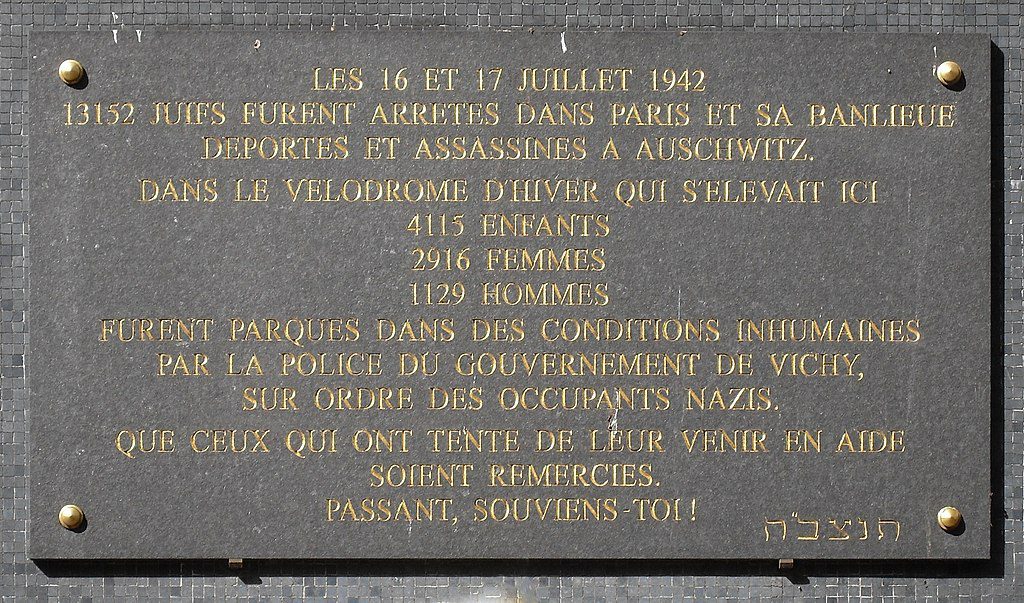
A few days ago, France commemorated the 80th anniversary of the Vel d’Hiv round-up. Since the end of World War II, the subject has been very sensitive politically because it raises the question of France’s complicity in Hilter’s genocidal agenda.
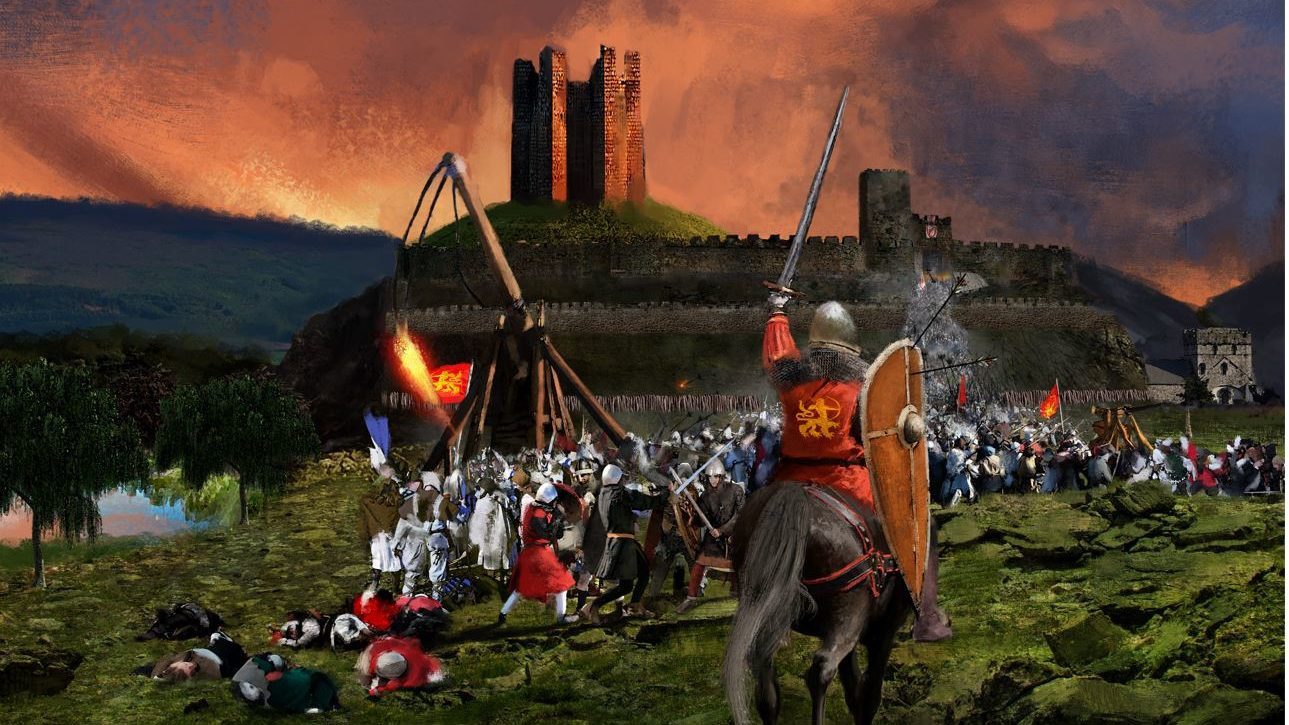
If you want your money to be spent on curation, care, and cultivation of rich history, it’s long overdue time to take back control. It takes a lot of time to create something, and a mere moment to destroy it forever.
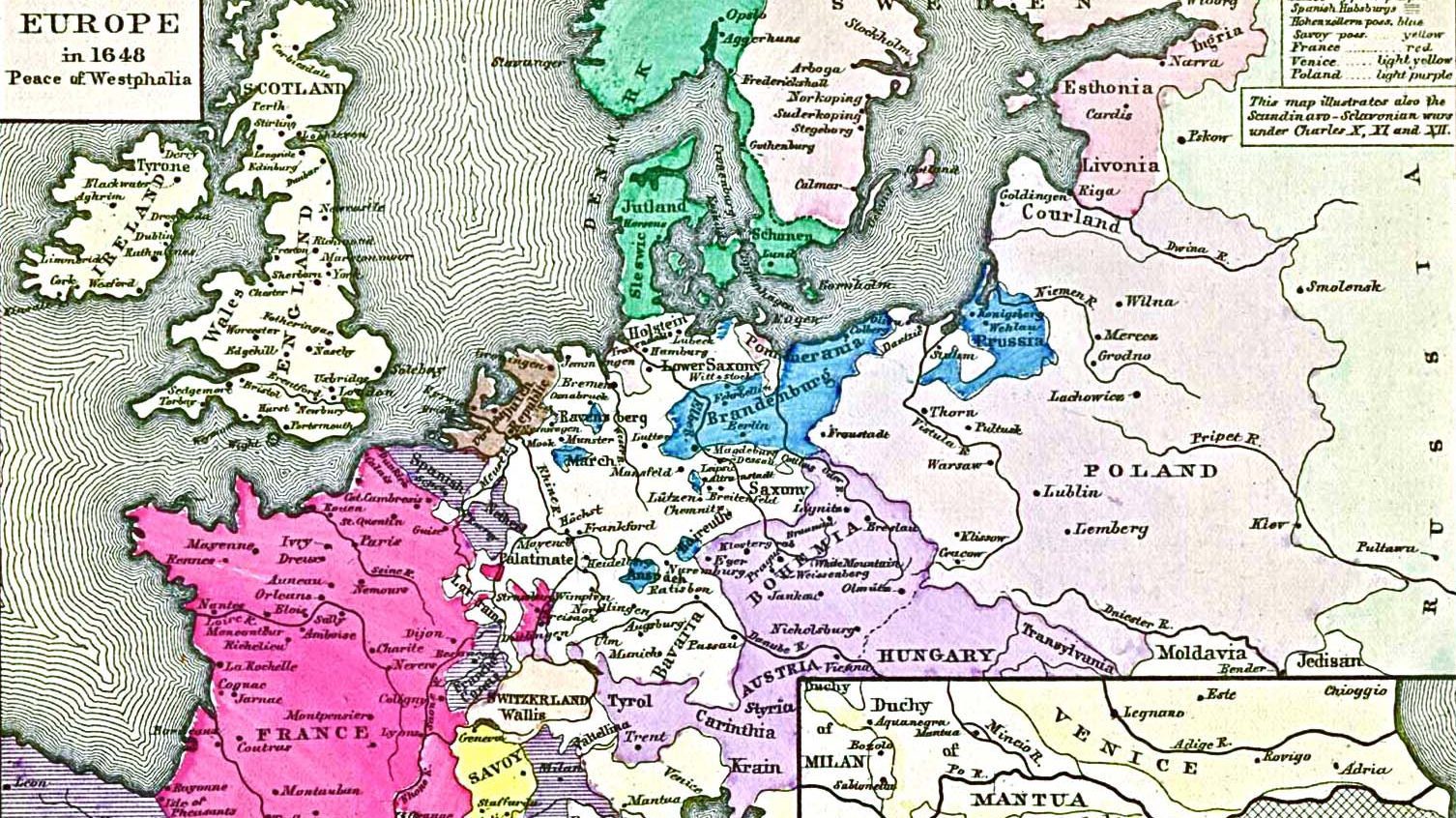
Emmanuel Macron’s invocations of “European sovereignty” notwithstanding, the nation—not Europe, nor the entire world—remains the only viable locus for the exercise of democratic power.
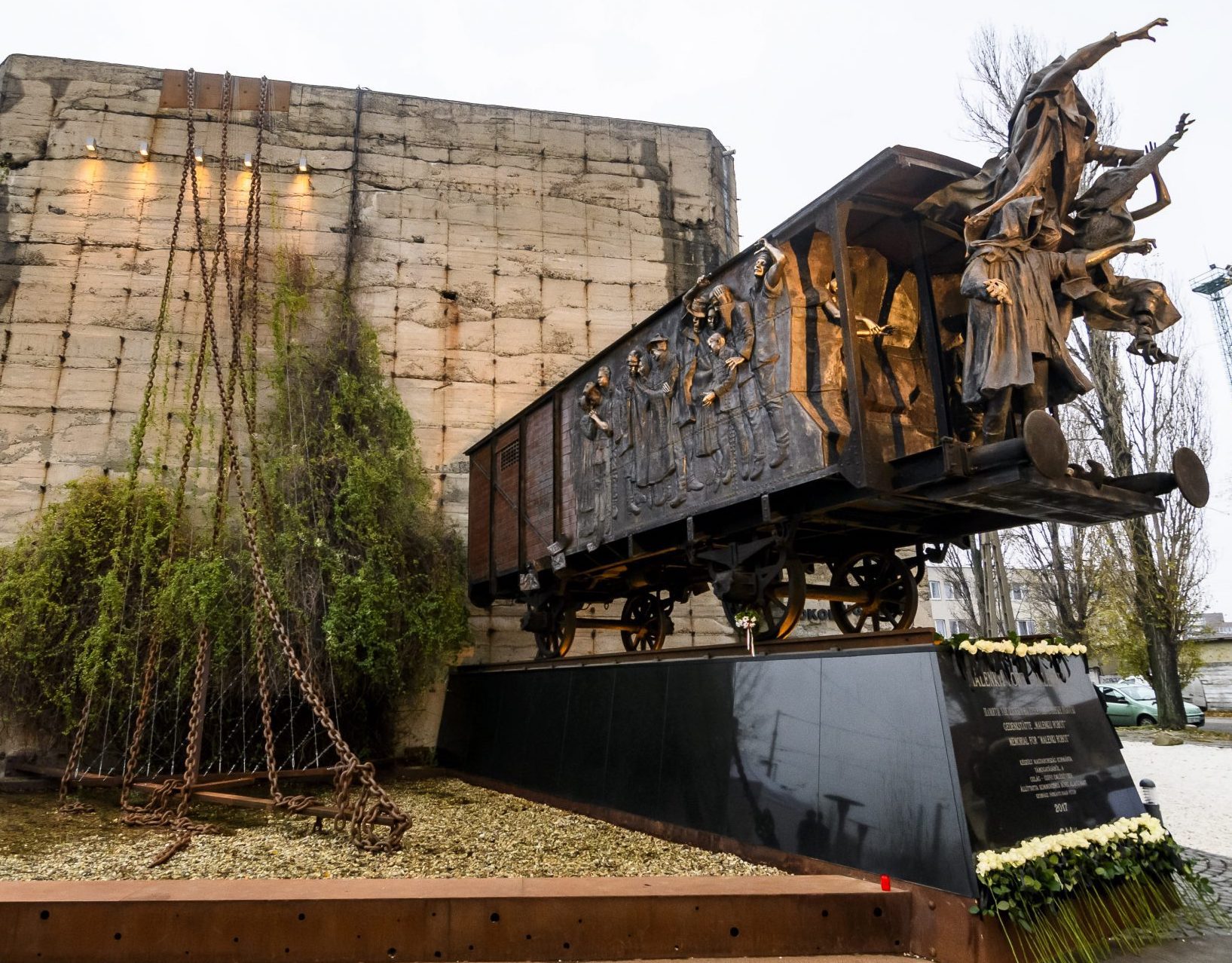
“A fellow Hungarian villager, Feri Augusztin, came to my father and told him to hand over his daughters, me and my sister Ella, to the Russians. This was the same person who earlier chased the Jews out of their homes. He informed the Russians that we were wealthy Hungarians and threatened Dad, saying that they would execute him unless he gave up his daughters.”
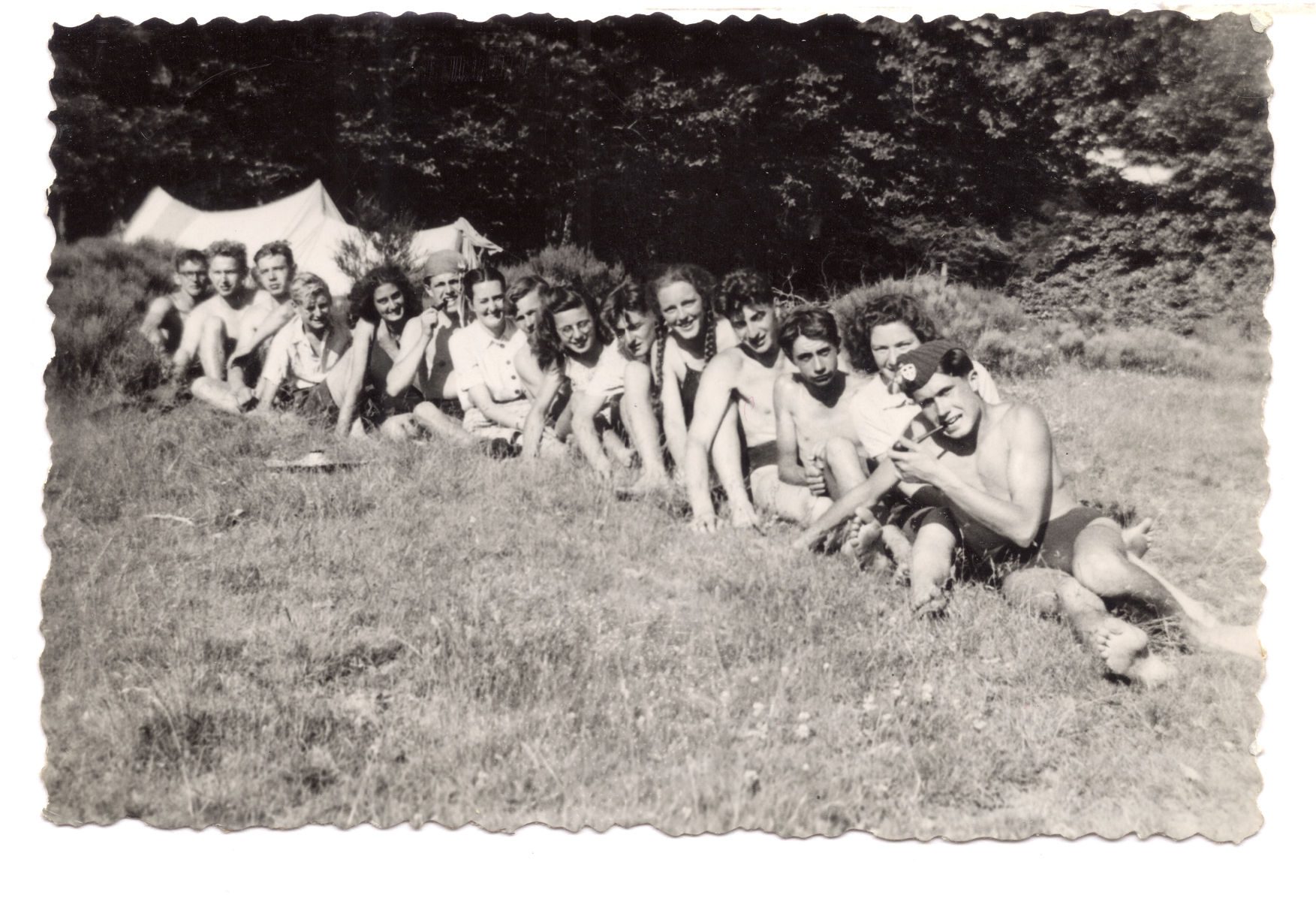
It is the ordinary nature of their goodness that makes the story of Le Chambon such a miracle. It was weathered men and women with brittle hands, shiny with callouses from backbreaking work, hard as oak and often gnarled with age, who did these things.
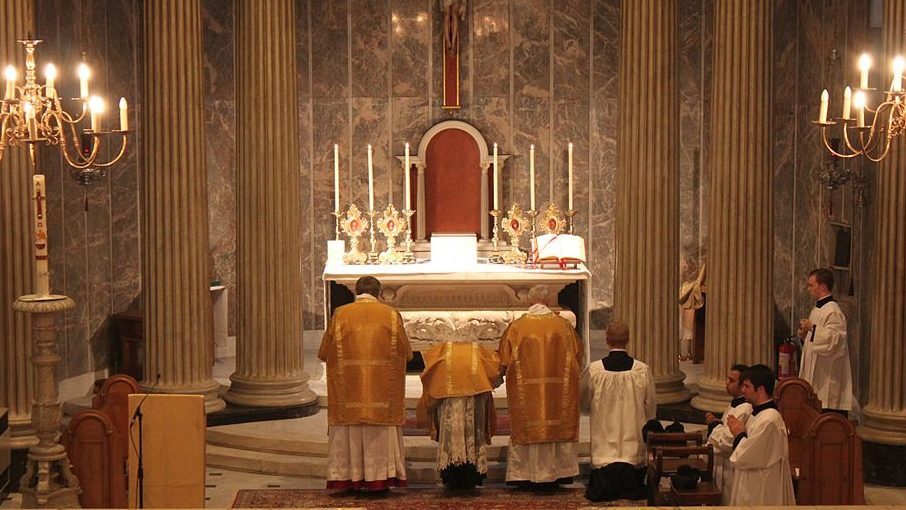
The subject of these pages is, in a broad sense, religious—Catholic—traditionalists. Yves Chiron also explains why being a ‘traditionalist’ is not exactly the same as being a ‘traditional’ Catholic.

Eurasianism, with its glorification of the Mongol Golden Horde and eastward orientation, tends to divorce Russia from its European heritage, a divorce that is incompatible with any drawing closer to Ukraine.
Geography and natural resources will motivate political conflict, but identity and national construction will determine what social cleavages can be exploited by local and foreign agents in that conflict.
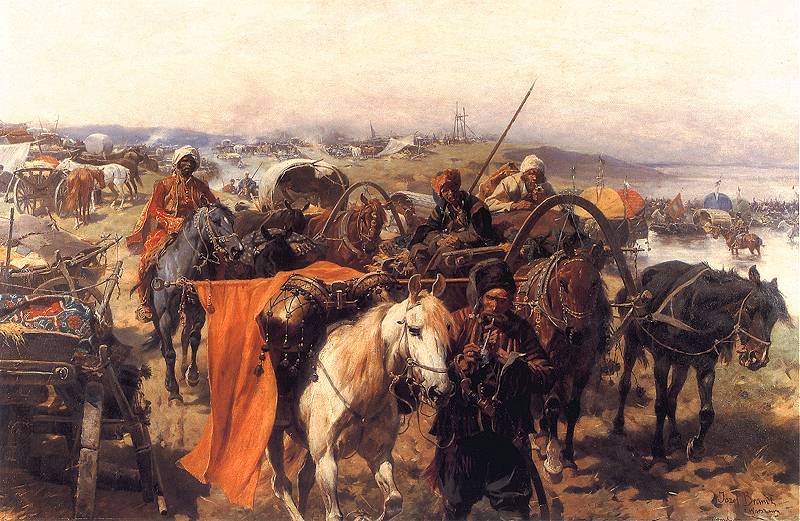
Organic association and the principle of subsidiarity are the rescue of nations. They allow for the political articulation of common roots without alienating local cultural differentiation. They also permit overarching identities to be honored along with overlapping ones. Keeping this principle in mind, we may trace the history of relations between Moscow and Kyiv with an eye to how it could have been, and may yet, be applied.