

When Brussels Chooses the Winner, Nations Lose the Game
When political outcomes are shaped by external expectations, the decisions that follow rarely prioritize the national interest.

When political outcomes are shaped by external expectations, the decisions that follow rarely prioritize the national interest.

Western liberal media reports alleging Budapest colluding with Moscow are coming thick and fast over fears of another victory for Viktor Orbán.

The person responsible for limiting Viktor Orbán’s social media posts publicly displays pro-Ukraine and LGBT activist positions.
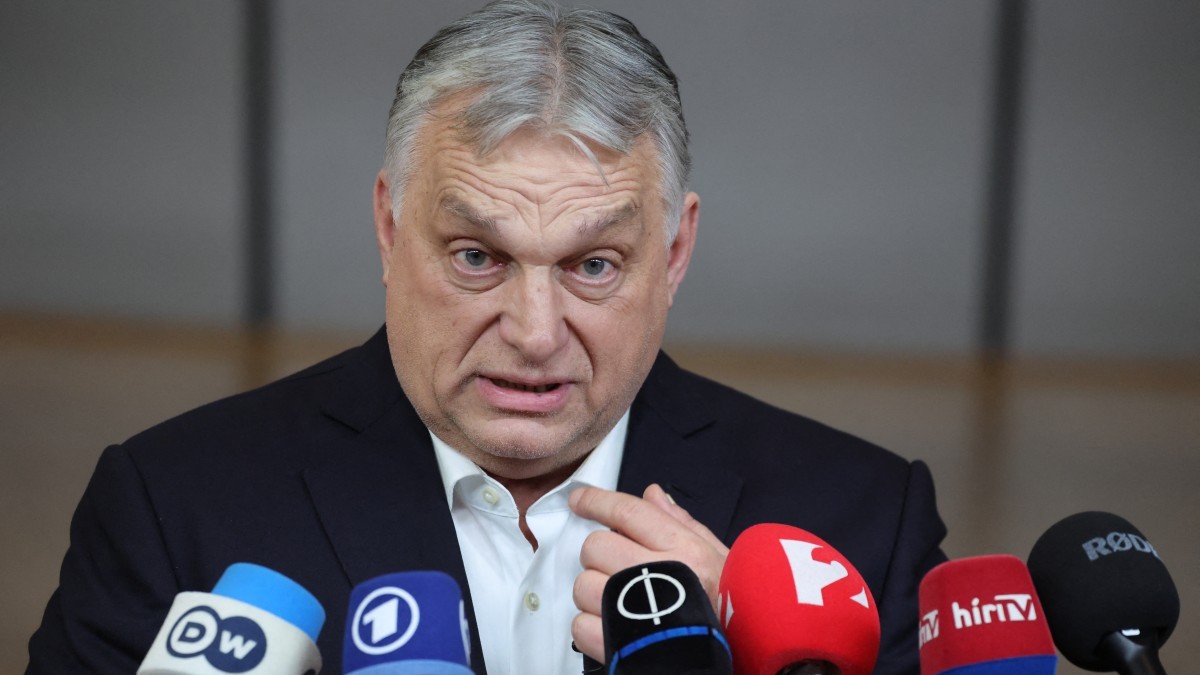
Critics may be looking the wrong way, and should instead be making note of Kyiv’s attempts to interfere, Budapest says.

Political interference? Facebook has suspended Hungarian right-wing outlets weeks before the national election.

In its toxic cocktail of war mania and pathological hatred of Orbán, the EU is betraying its very purpose—and obliterating trust in itself.
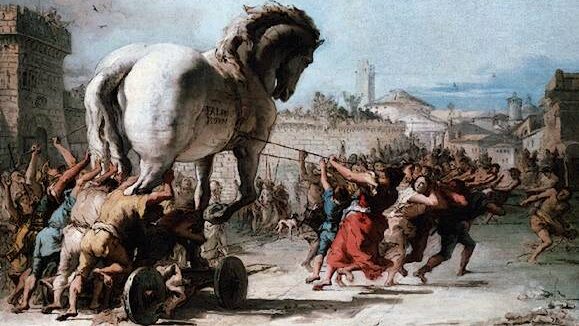
While the Hungarian people seek stability and the preservation of their way of life, Magyar’s sponsors in Brussels are salivating at the prospect of a compliant, hollowed-out Hungary.

Forcing X, formerly Twitter, to release data for elections enables the EU-backed civil society groups to scrutinize sensitive information—prompting national sovereignty concerns.
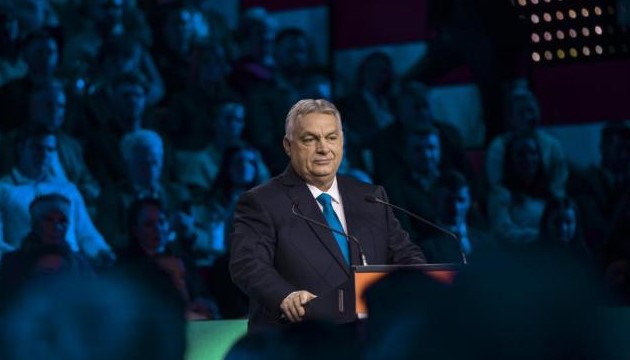
The Hungarian PM emphasised the protection of national sovereignty, the expansion of family support, and the continuation of economic goals—while sharply criticising his domestic political opponents and Brussels.

This is the first generation in Western democracies to grow up in the greatest material well-being and comfort humanity has ever known, yet never face war or real existential fear.