

Europe Melts Under Scorching Heat Amid Growing Economic Anxiety
Europeans are facing a summer of record-breaking temperatures across the continent.

Europeans are facing a summer of record-breaking temperatures across the continent.

The European Central Bank’s latest rate hike is built on an inflation forecast that’s likely to prove far too modest.

Modelling based on previous energy shocks suggests Hungary could see inflation surge to between 34% and 59% by mid-2027.

Official data confirm that buying or renting in Europe is becoming increasingly out of reach for the average citizen.

State media now acknowledge increasing organized resistance as protests spread across the country.

With 30,500 retired staff also benefiting, annual spending on Brussels salaries and allowances is set to exceed €3 billion.

What superficially looks like a mixed bag of good and bad news is in reality a depressing image of a continent slowly sinking into permanent economic stagnation.

The U.S. president is moving to take control of the Fed board—a power grab that could spell economic disaster for both the U.S. and Europe.
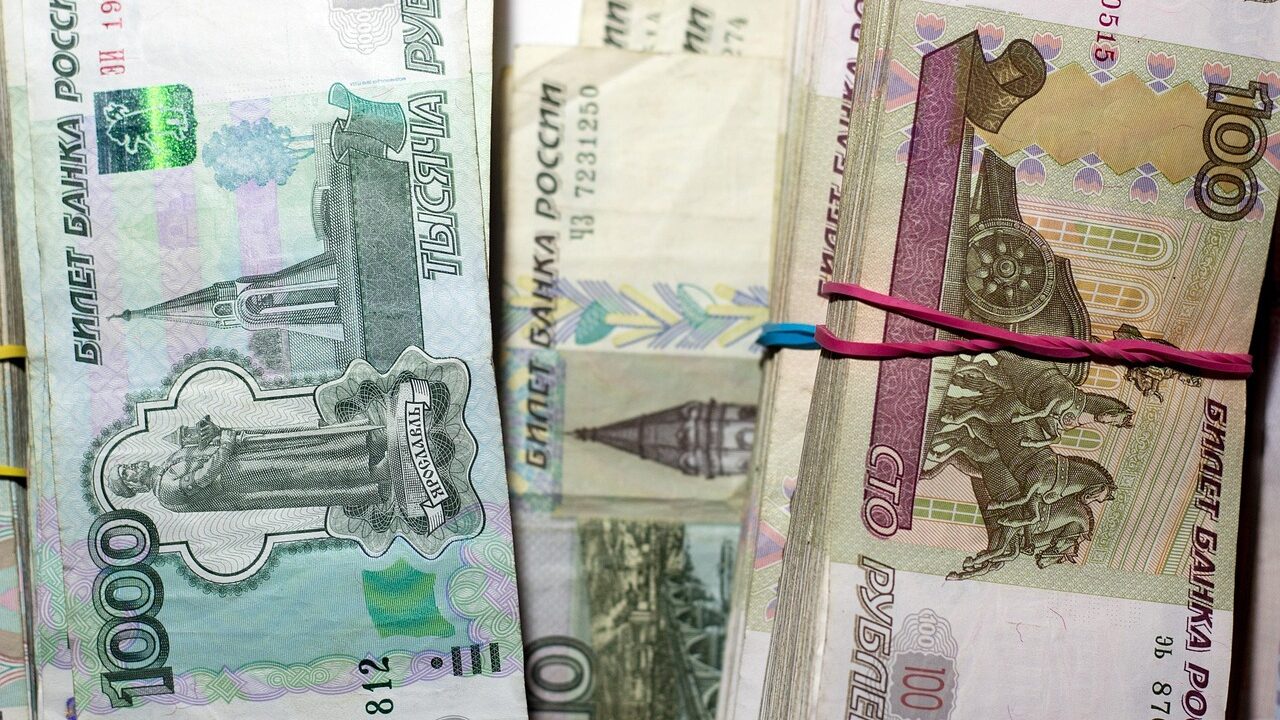
Despite widespread predictions, Russia’s economy hasn’t buckled under sanctions—but cracks are starting to show.

As some countries ramp up social benefits to strengthen emerging welfare states, others are scaling back in a bid to rein in systems that have grown beyond what their tax bases can sustain.