Crowning History
The combination of continuity and change has always been central to the genius of coronations, reassuring us that the past is being honoured, yet reaffirming the new order of things.

The combination of continuity and change has always been central to the genius of coronations, reassuring us that the past is being honoured, yet reaffirming the new order of things.

The monarch is said to be encouraging those arguing for Britain’s guilt in the slave trade banned in 1807.

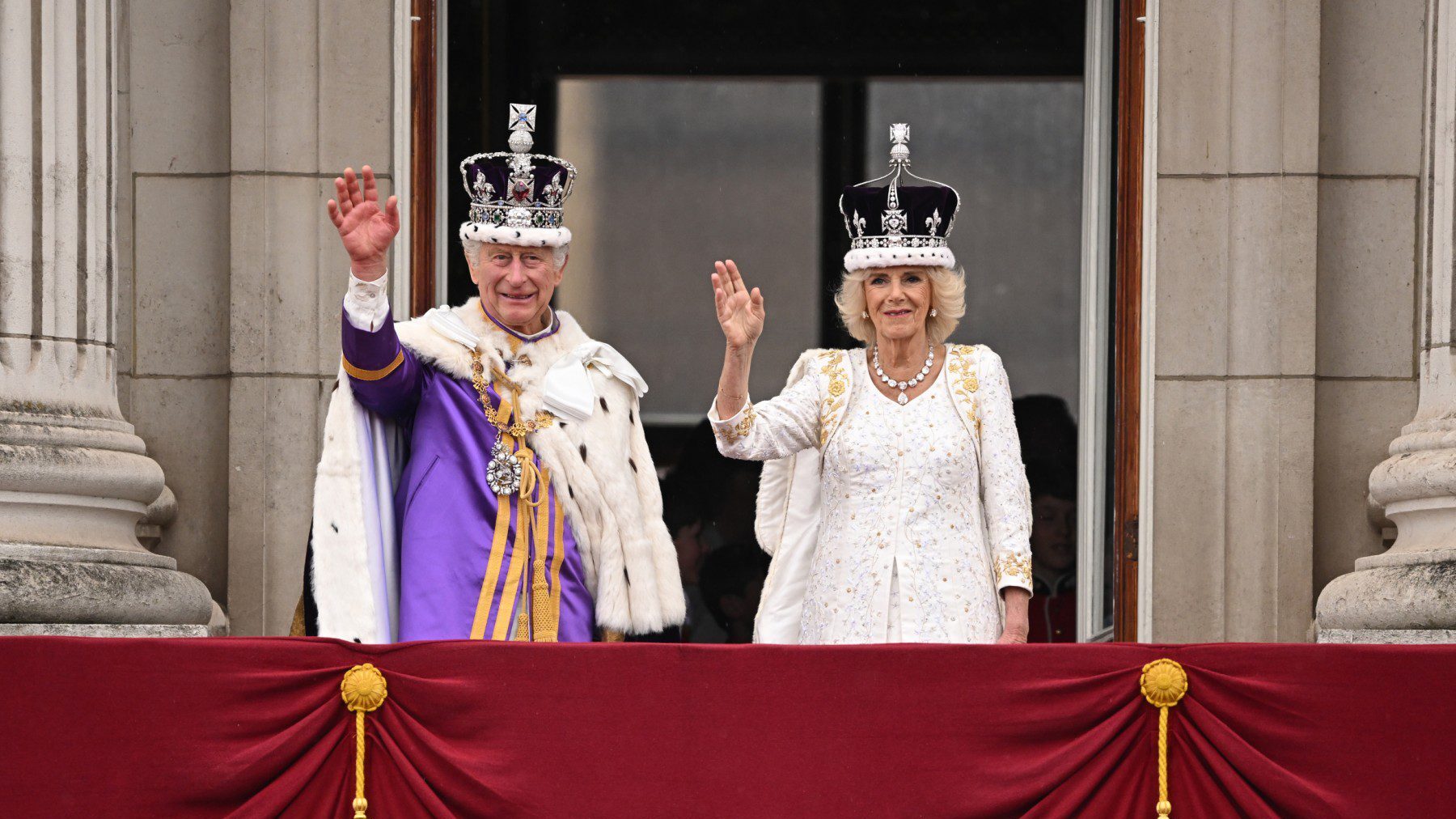
Despite worries that the coronation ceremony would be riddled with modernist innovations, it proved remarkably in keeping with tradition.

The Princess Royal’s reference to the “genuine benefits” provided by the monarchy indicates she is not worried about its future.

Palace insiders say the event will be “very small beer indeed,” in comparison to the coronation of 1953.

Royal commentator Richard Fitzwilliams said it has become “totally unclear” what exactly the term refers to.

There are many reasons to be concerned about King Charles III. His general kowtowing to ‘wokery’ is risible, since the Left desires nothing more than his abolition. What concerns me the most, however, is his Islamophilia.

In his speech, the King emphasised Germany’s decisive support for Ukraine—which he described as “courageous”—and the risks the war posed to European peace.
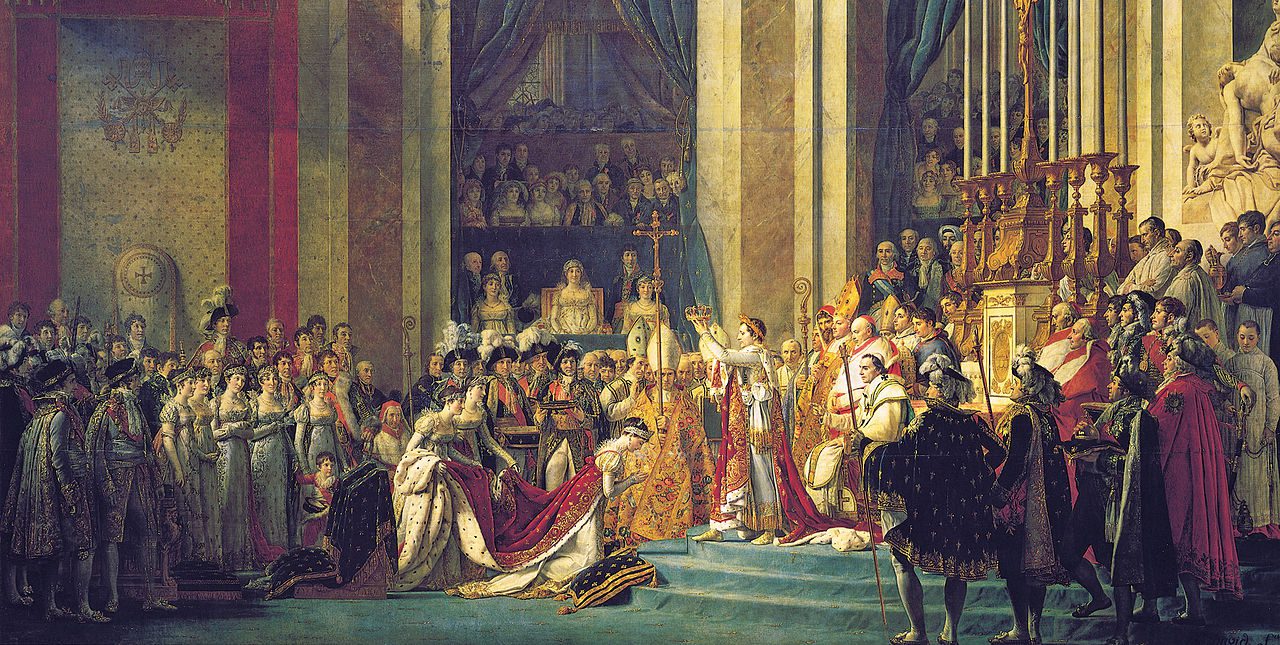

The King has chosen to be called Charles. Let us look at his predecessors, in hopes of finding some indication of where His Majesty might wish to go.

Constantine II is in critical but stable condition. He ruled the Greek people from 1964 to 1973 until a 1974 referendum abolished the monarchy.