
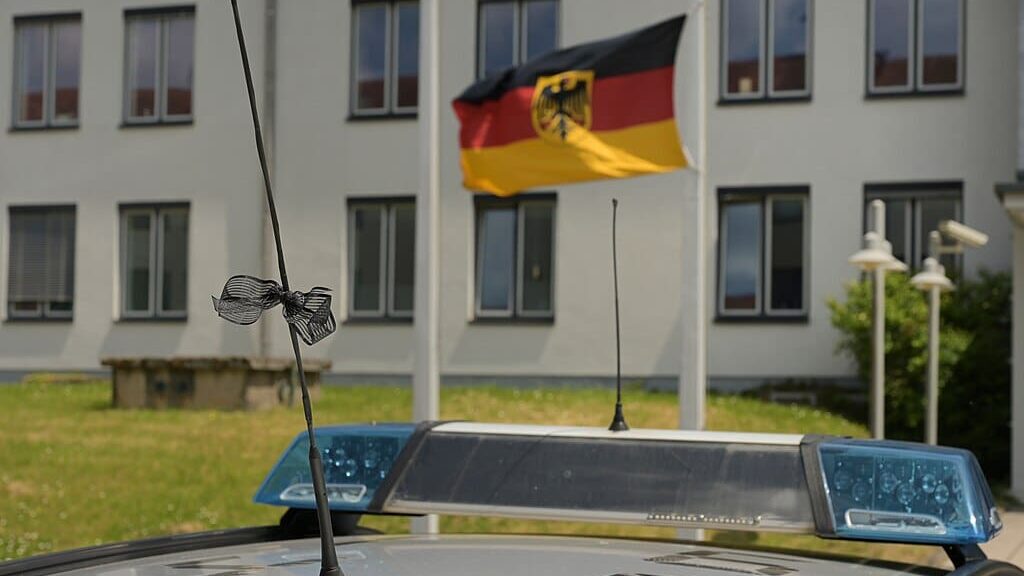
Germany Rocked by Spate of Brutal Stabbings
“We have become a country full of horror stories,” says one journalist.

“We have become a country full of horror stories,” says one journalist.

Following an Islamist stabbing spree, German elites talk about tackling weapons rather than the extremists who carry them.
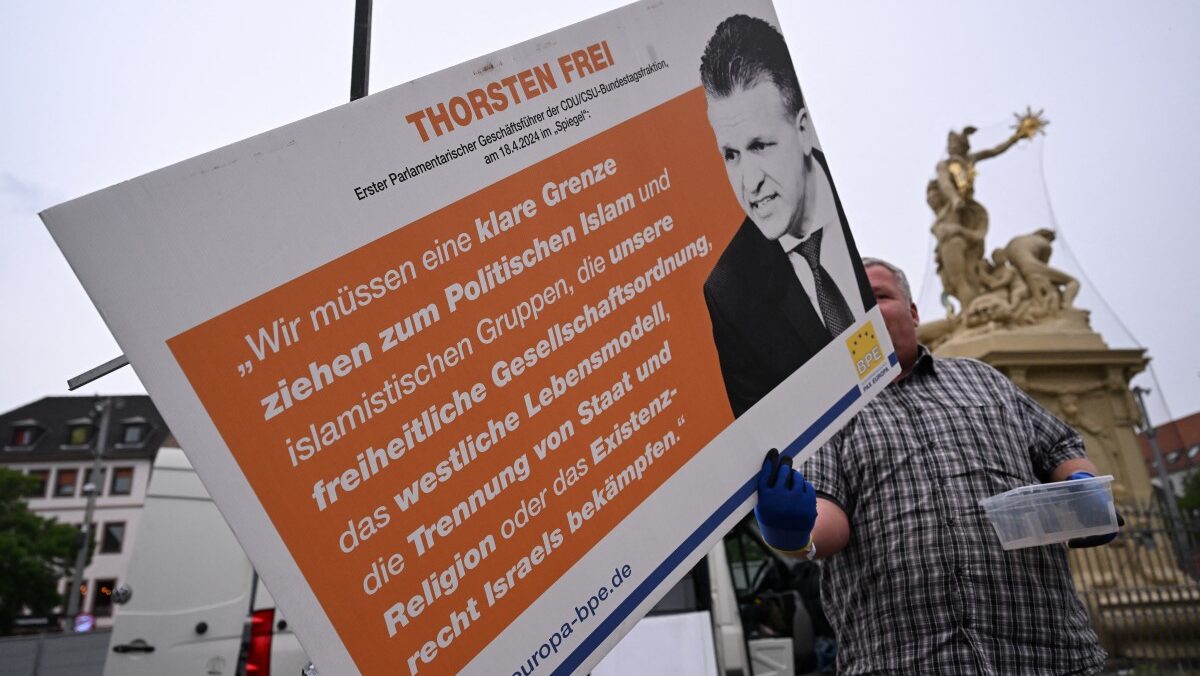
Activist Michael Stürzenberger, under observation by the German domestic spy agency for his anti-Islamism views, was stabbed in the face and leg.
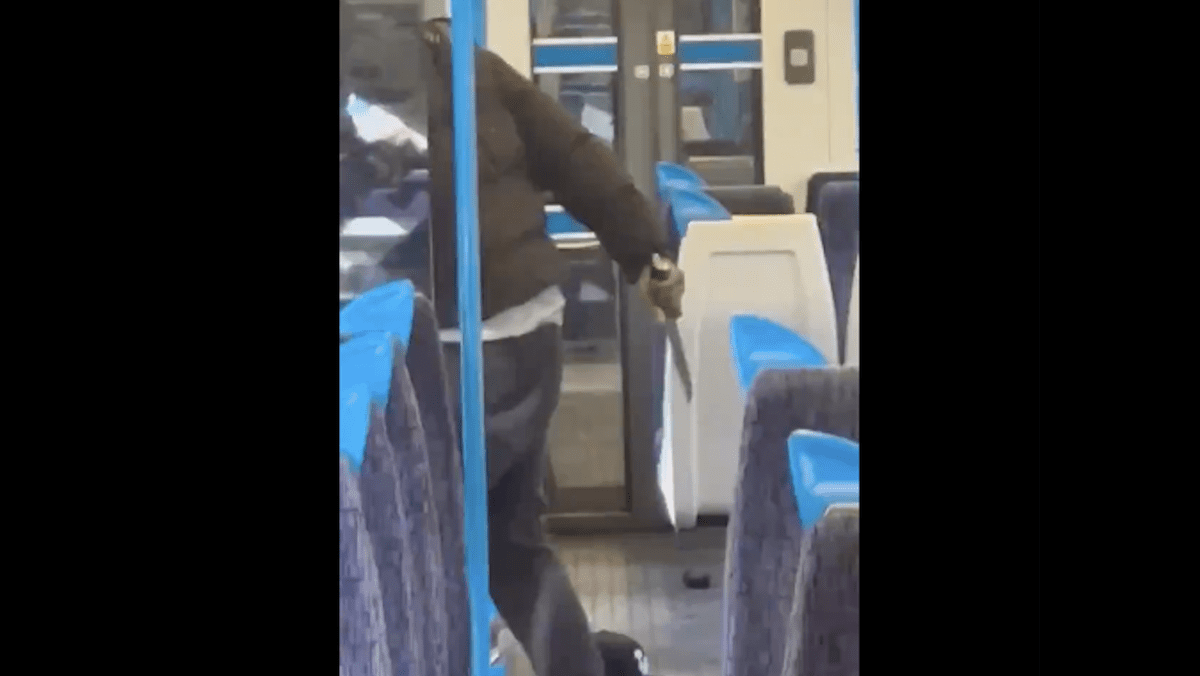
Hours later, a tube station locked down due to another act of bloody violence.
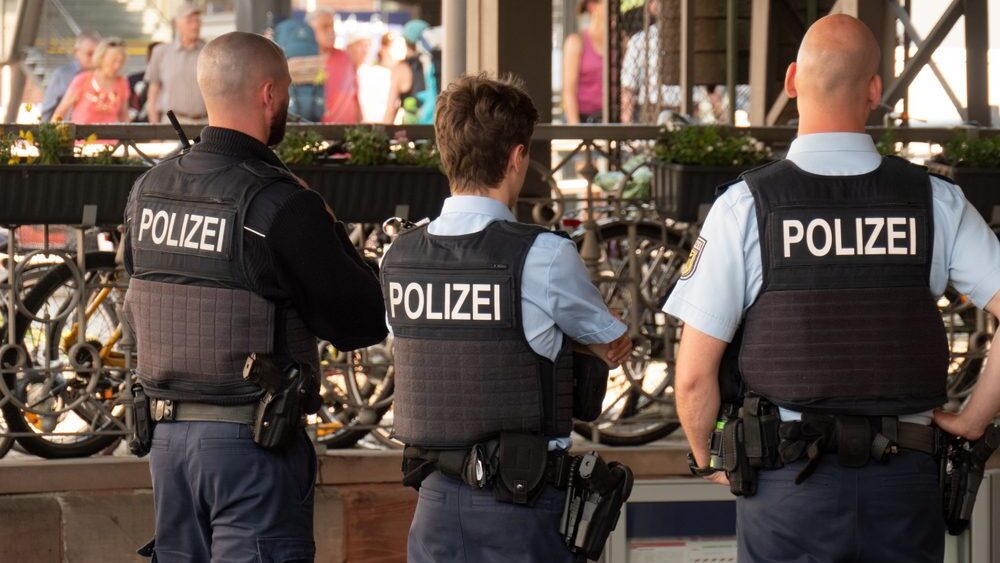
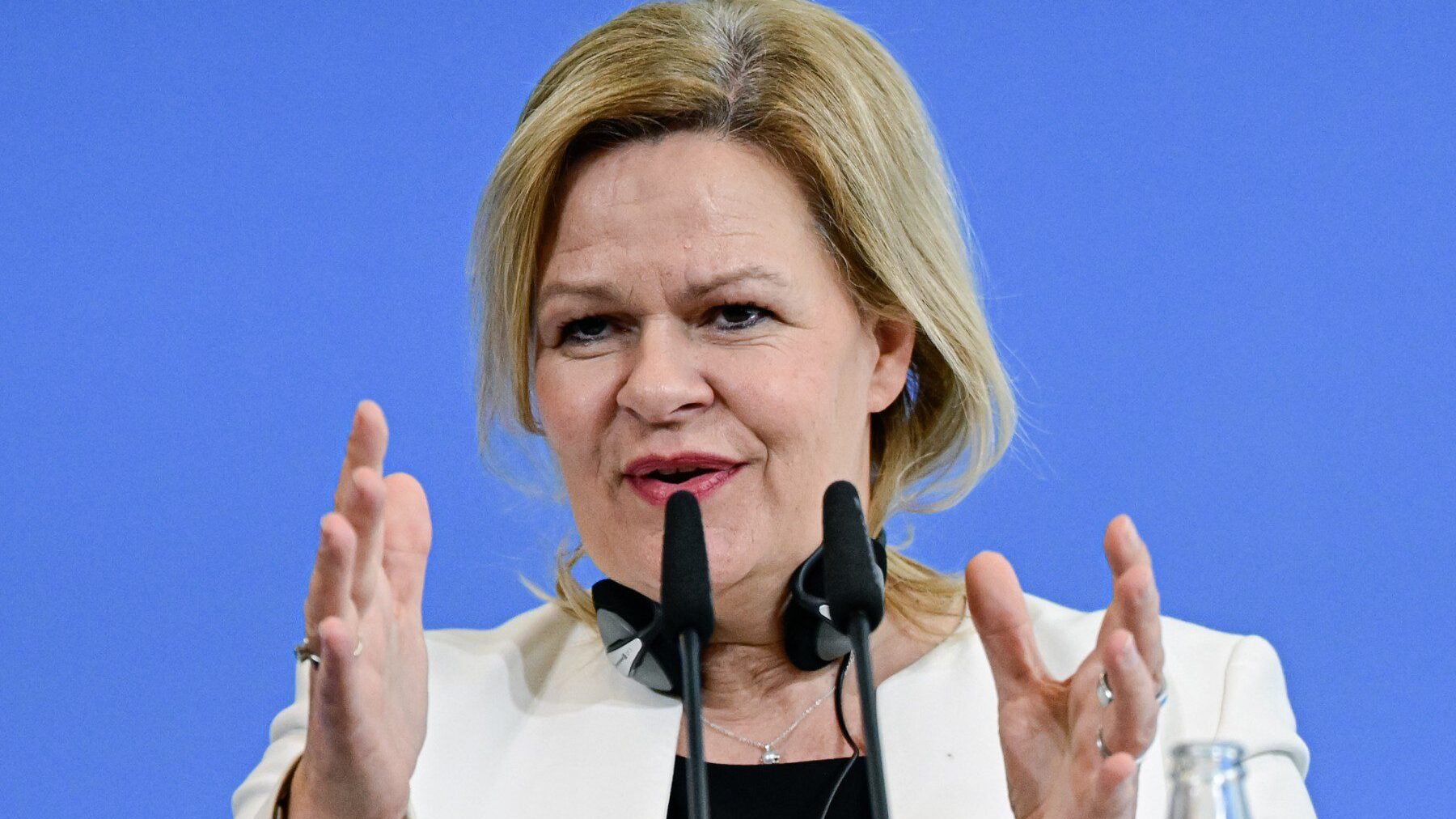
AfD MP lays the blame on Social Democrat Interior Minister Nancy Faeser, saying that her backward migration priorities are putting the lives of Germans at risk.
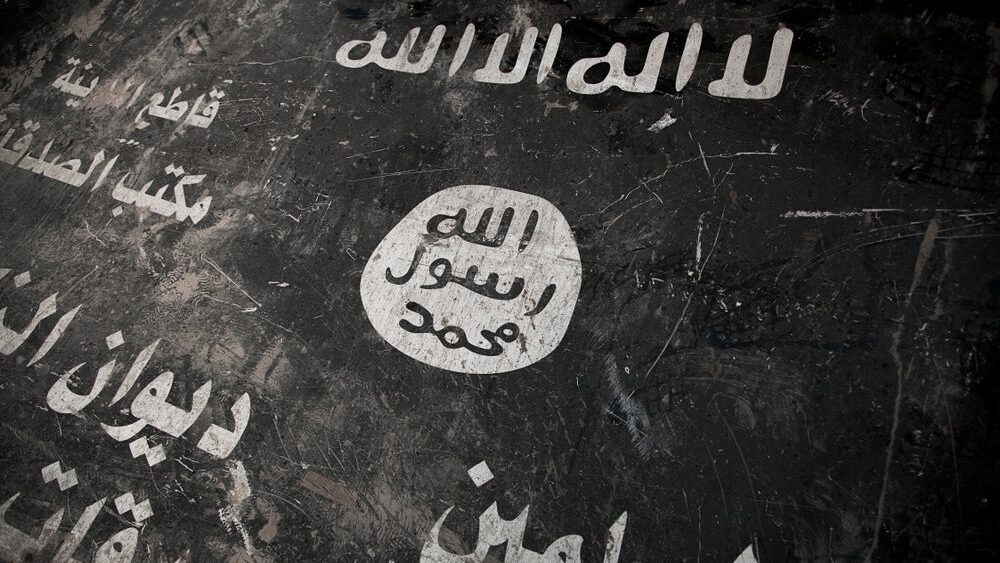
“I wanted to commit more deeds so that I would die as a martyr if I was killed in the process,” the attacker said in court.
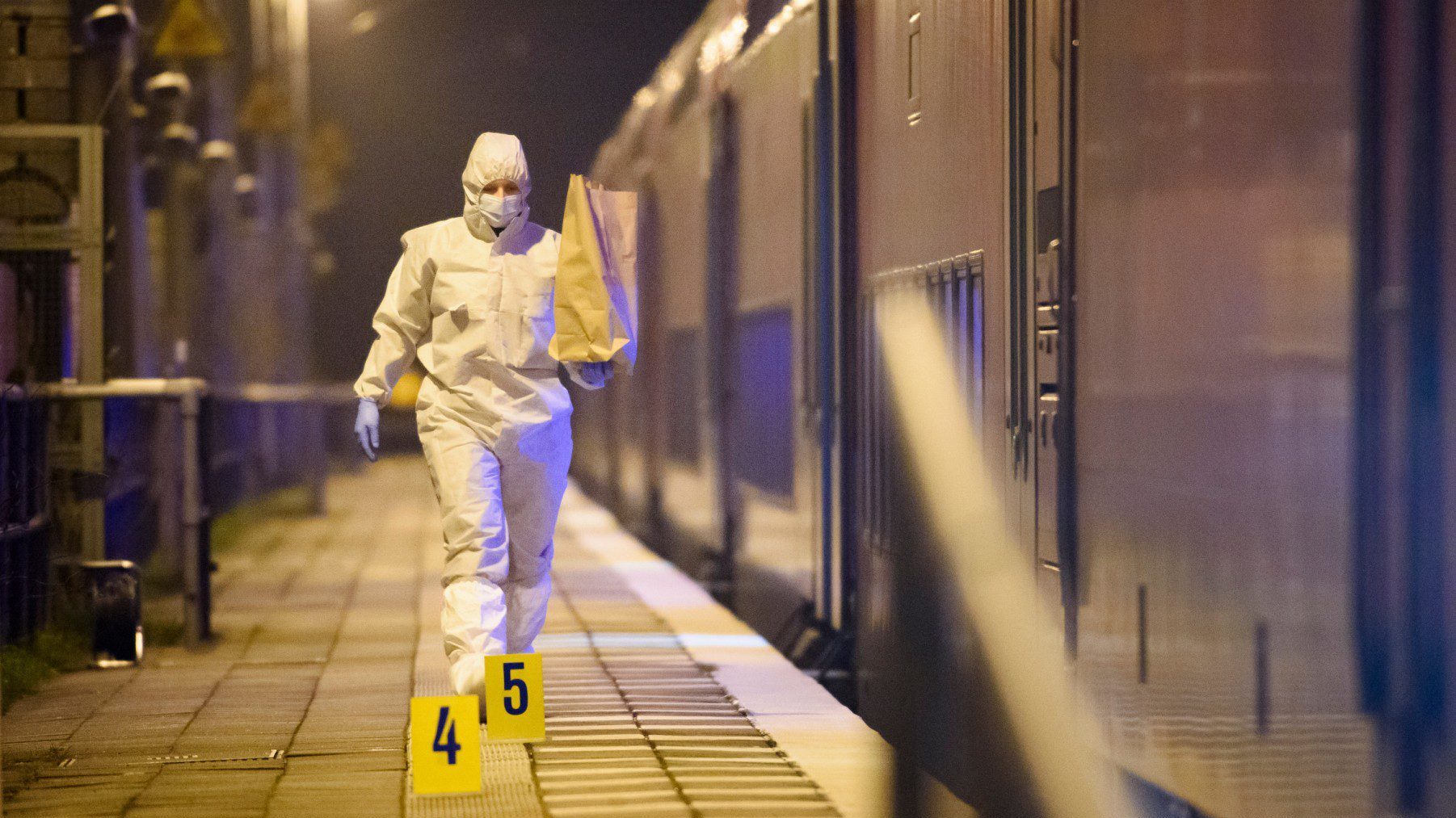
If figures recorded and published by the state criminal police offices
in Germany’s 16 federal states are taken into account, the total number of knife attacks across the entire country exceeded 21,000 in 2022.
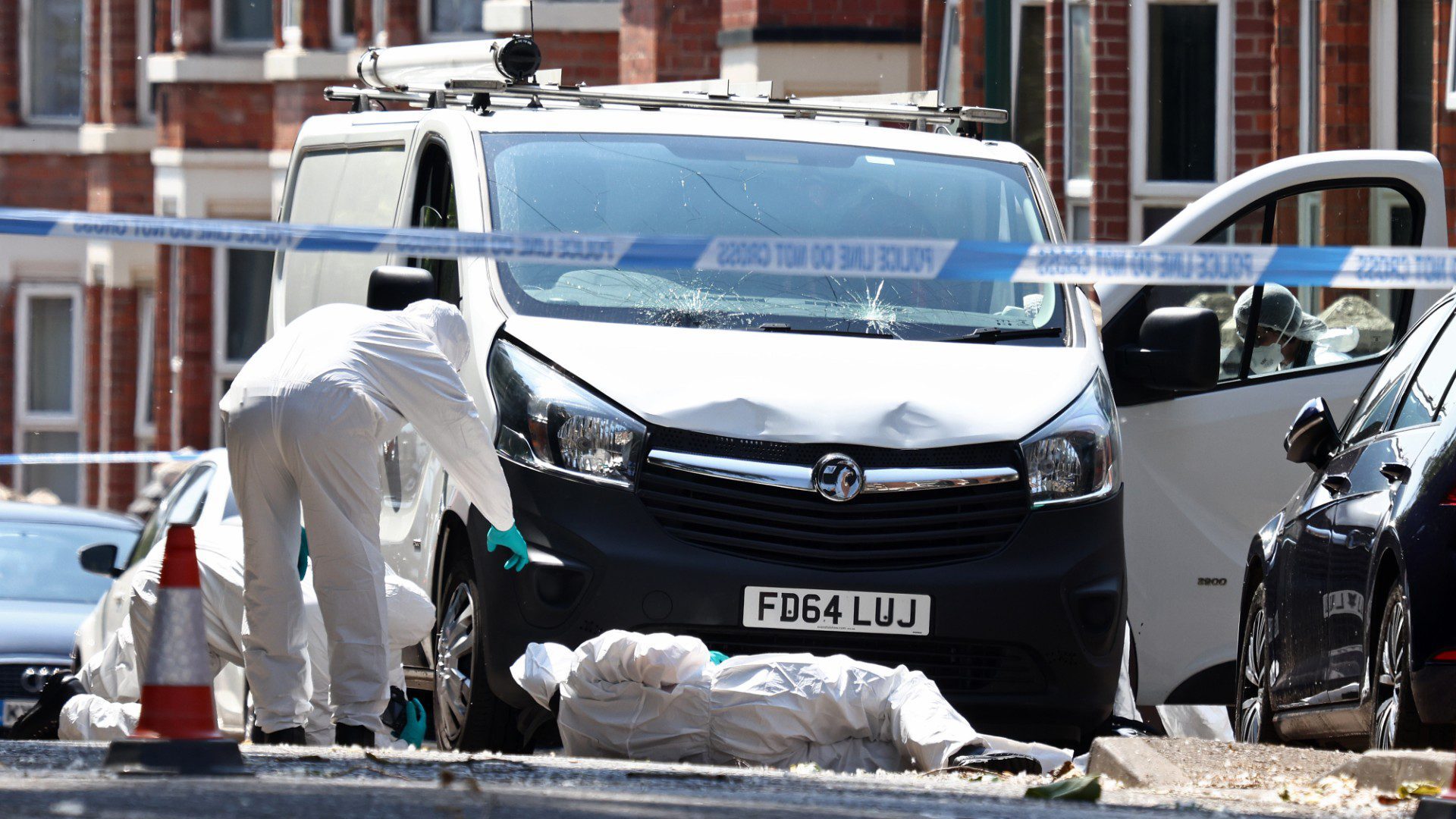
UK authorities have yet to announce a possible motive, but stabbing attacks and vehicles used as weapons are common in terrorist attacks in the UK and elsewhere in Europe.
The idea has been germinating since last January’s Brokstedt tragedy, a mass stabbing on a train where a 33-year-old stateless Palestinian killed a 17-year-old girl and her 19-year-old boyfriend with a kitchen knife.
Vienna’s Freedom Party (FPÖ) leader Dominik Nepp said that the “cycle of violence is apparently spinning faster and faster,” and has called for a security summit.